
14th generation (2021–2025; 2024 facelift) · 2021–2025 · Full-size pickup (aluminum body; hybrid available; Lightning EV is a separate model)
2023 Ford F-150 parts and specs
Everything you need to own and maintain this exact model year. Verified specifications, part numbers, and the problems that recur, in one place.
Last verified
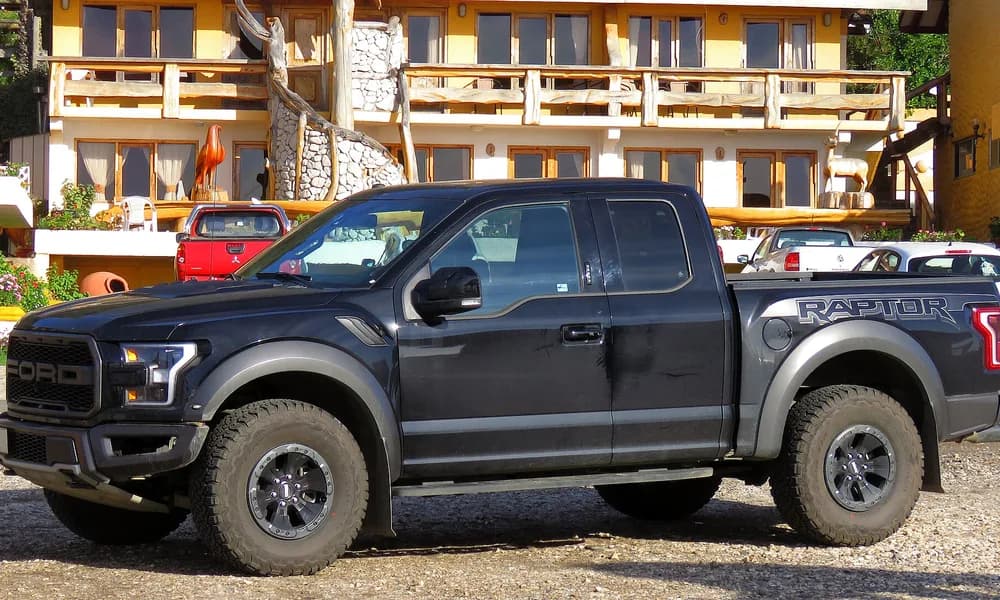
Quick facts
Specifications for the 2021–2025 F-150
Oil & filter
Viscosity, capacity, filter part numbers, change interval
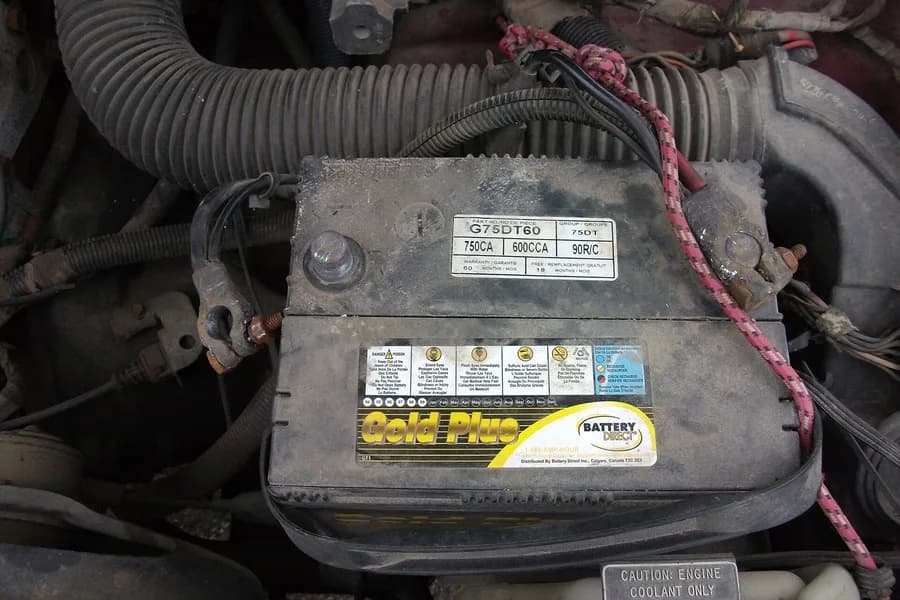
Battery
BCI group size, cold cranking amps, AGM or flooded
Tires & wheels
Factory sizes by trim, pressures, bolt pattern, lug torque
Wiper blades
Driver, passenger and rear blade lengths
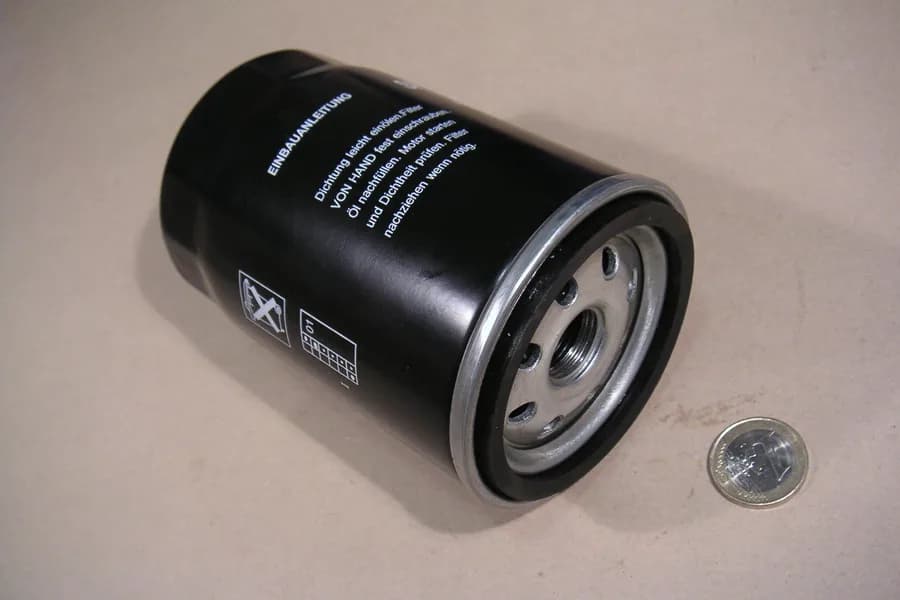
Air & cabin filters
Cabin and engine air filter part numbers, locations, intervals
Bulbs
Headlight, fog and marker bulb types
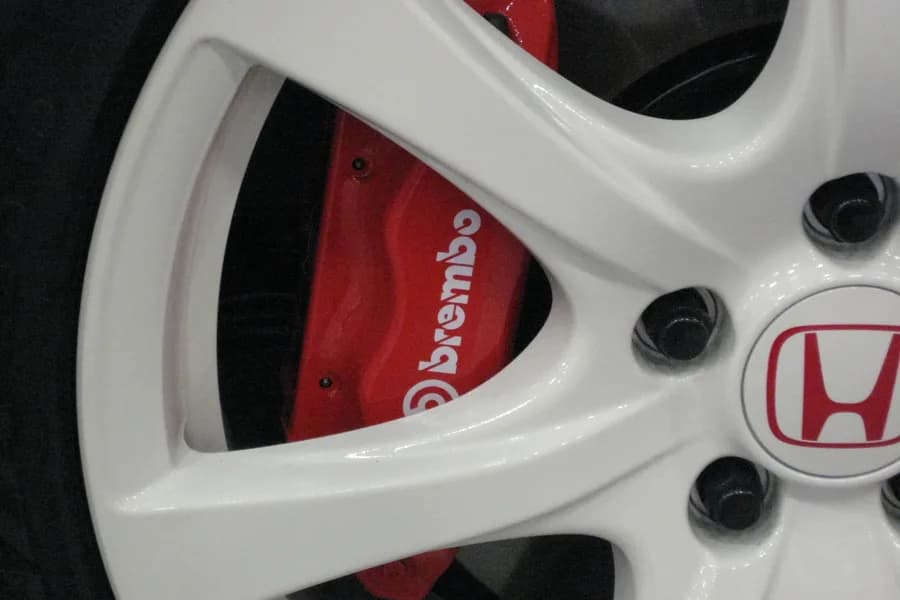
Brakes
Rotor diameters, pad references, service notes
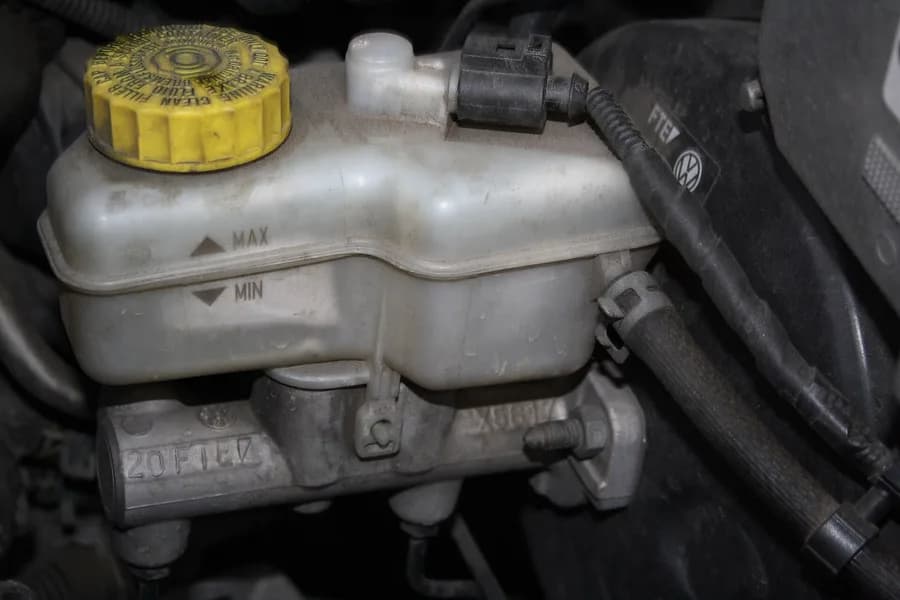
Fluids
Transmission fluid, coolant, brake fluid and capacities
Service schedule
What's actually due at every mileage interval
Problems & reliability
Documented failures, recalls, and which years to avoid
Oil light reset
Step-by-step maintenance light reset, no tools
Key fob battery
Which coin cell the remote takes
Specs
Towing, weight, fuel tank, fuel economy
These specifications are shared across every F-150 of the 14th generation (2021–2025; 2024 facelift) generation. See the 2021–2025 Ford F-150 overview for the full picture, or the Ford F-150 guide to compare every generation.
What changed for the 2023 Ford F-150
- 2023Raptor R (5.2L supercharged V8) added; final year of the 3.3L V6 and rear Max-Tow axle recall window (23V-896)
Known problems with the 2023 Ford F-150
3 of the 6 issues we track for the 2021–2025 generation are documented against the 2023 model year, and 3 carry a recall or service bulletin.
Rear axle hub bolt failure, Trailer Tow Max Duty (recalls)
majorNHTSA 23V-896, expanded 25V-512 (Ford 25S82)Trucks with the Max Trailer Tow package and the 9.75-in HD 3/4-float axle can fatigue and snap rear-axle hub bolts, stripping the wheel-end splines, loss of drive or a truck that rolls away in Park without the parking brake. Recall 23V-896 was expanded in 2025 (25V-512, ~103,000 trucks); dealers replace both rear axle shaft assemblies with a revised design free.
Typical cost: Free under recall
Trailer brake controller software failures (recalls)
majorNHTSA 22V-193 (Ford 22S17); follow-ups 25S18, 26C10Software errors in the integrated trailer brake module could leave an electric-braked trailer with no brakes (22V-193, part of a 4.3M-vehicle campaign), and some trucks repaired incorrectly were re-recalled (25S18). A further 2021–2026 campaign (26C10) covers ITRM communication loss killing trailer brakes and lights. All are free software updates, critical if you tow.
Typical cost: Free under recall (software update)
10R80 harsh shifting continues; loss of power-brake assist on 2024–25 (recall)
moderateTSB 22-2428; NHTSA 25V-488 (Ford 25S77)Harsh low-speed shifts, clunks, and occasional CDF-drum failures carry into 14th-gen 10R80s (same TSB 22-2428 family; adaptive relearn and reflash first, hardware second). Separately, 2024–2025 trucks built May 2024–June 2025 can lose power brake assist from an electronic brake booster fault, recall 25V-488 (Ford 25S77) fixes it with a free software update, OTA-capable.
Typical cost: Free (reflash/recall); $2,500–$4,000+ for out-of-warranty CDF drum repair
3 more issues reported in other 2021–2025 years
- 2.7L/3.0L EcoBoost intake valve fracture (recall, engine replacement), 2021–2022 (2.7L EcoBoost; ~47,700 F-150s)
- Driveshaft damage from loose underbody insulators (recalls), 2021–2022
- Windshield wiper motor/arm failures (recalls), 2021–2022
Full detail, costs and sources on the Ford F-150 problems and years to avoid guide.
Which engines were offered in the 2023 F-150?
| Engine | Trims | Oil | Oil capacity |
|---|---|---|---|
| 3.3L Ti-VCT V6 (2021–2023) | XL, XLT (base engine through 2023) | 5W-20 | 6 qt |
| 2.7L EcoBoost V6 (base engine from 2024) | XL–Lariat (volume engine; base engine on 2024–25) | 5W-30 | 6 qt |
| 5.0L Ti-VCT V8 (Coyote, 400 hp) | XL–Platinum, King Ranch; standard on Tremor early years | 5W-30 | 7.7 qt |
| 3.5L EcoBoost V6 (400 hp; Raptor HO 450 hp) | XLT–Limited, Tremor; Raptor (HO) | 5W-30 | 6 qt |
| 3.5L PowerBoost full hybrid (430 hp combined) | XLT–Limited (optional; standard on Platinum some years) | 5W-30 | 6 qt |
About the Ford F-150
The Ford F-150 is America's best-selling vehicle, and the 2012–2025 span covers three mechanically distinct trucks. 5L EcoBoost twin-turbo, an engine that towed brilliantly but taught owners about intercooler condensation misfires and early timing-chain wear. 0L oil consumption (2018–2020).
5L PowerBoost full hybrid with Pro Power Onboard, and racked up a long but mostly software-fixable recall list. Across all three generations the bolt pattern is 6x135 with 150 lb-ft lug torque, wipers are 22 inches on both sides, and one Motorcraft FA-1883 engine air filter fits nearly every year, but oil specs, batteries, and transmission fluids changed repeatedly, which is exactly why owners look things up.
For how the specifications changed across every generation, see the full Ford F-150 guide.
Other Ford F-150 years
Sources
- 2022 Ford F-150 Owner's Manual (Ford service content), capacities and specifications
- F150gen14 forum, 2021 5.0L 5W-30 / 7.7-qt sump change discussion (owner's manual excerpts)
- NHTSA recall 24V-635 chronology, 2.7L/3.0L EcoBoost intake valves
- Astro Ford / NHTSA, F-150 recall hub (driveshaft, trailer brake, axle, EBB campaigns)
- Car and Driver, Ford EcoBoost intake-valve engine failure recall
- fueleconomy.gov, 2023 Ford F-150 EPA ratings
- Wheel-Size.com, 2022 Ford F-150 OE fitments
- Cars.com, 2021 F-150 towing capacities breakdown (14,000-lb max)
- Motorcraft, MERCON ULV automatic transmission fluid (10R80)