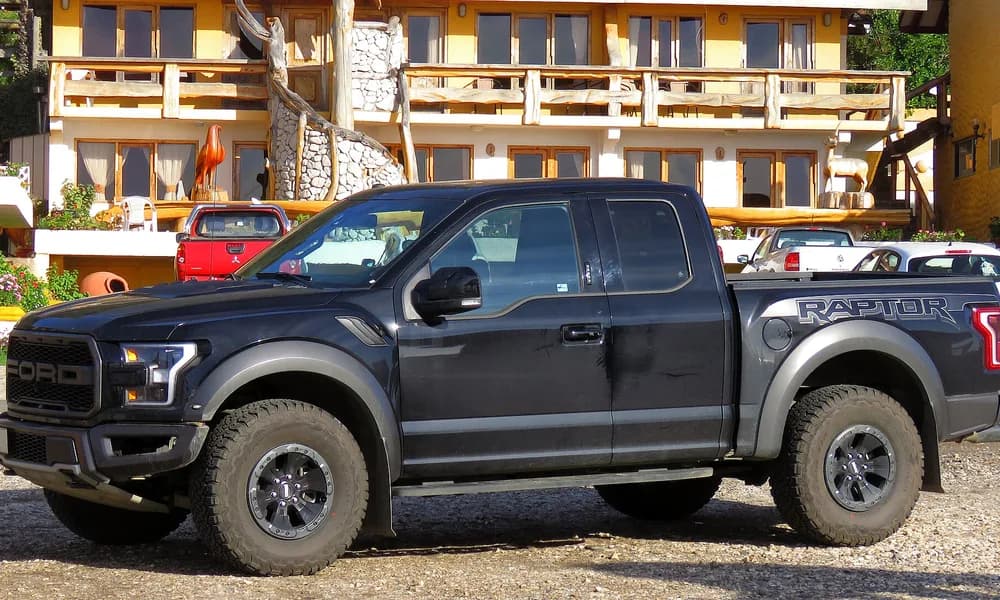
13th generation (2015–2020, aluminum body) · 2015–2020 · Full-size pickup (aluminum body, steel frame)
2020 Ford F-150 parts and specs
Everything you need to own and maintain this exact model year. Verified specifications, part numbers, and the problems that recur, in one place.
Last verified
Quick facts
Specifications for the 2015–2020 F-150
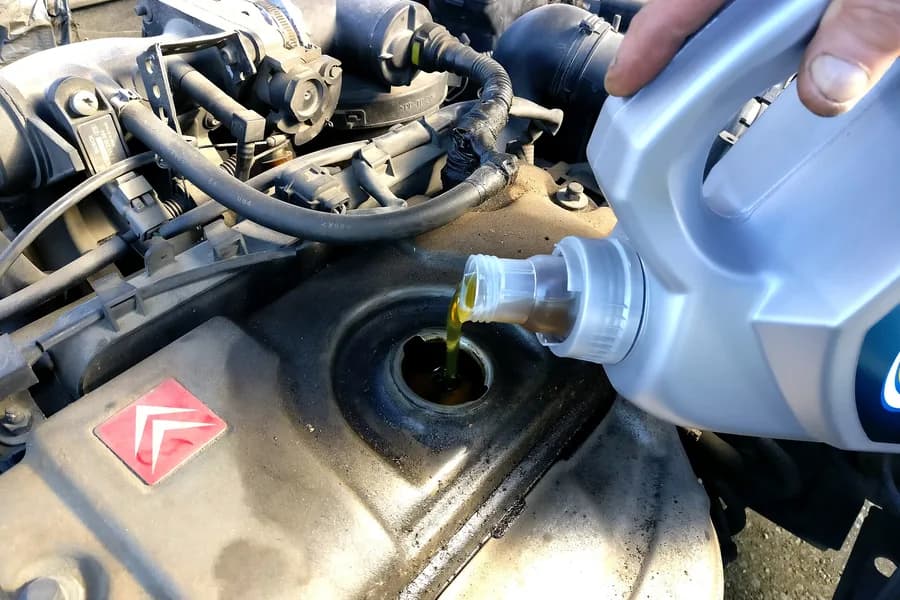
Oil & filter
Viscosity, capacity, filter part numbers, change interval
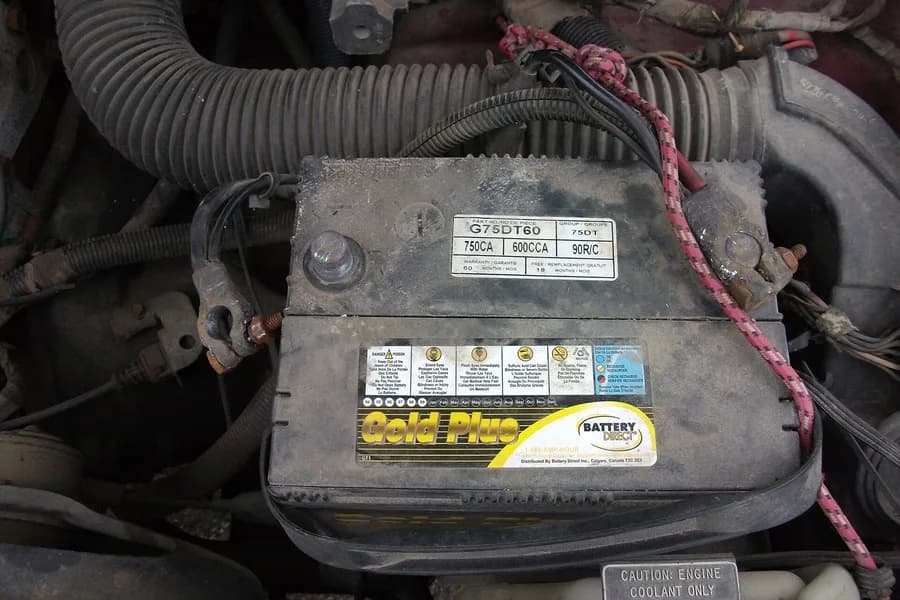
Battery
BCI group size, cold cranking amps, AGM or flooded
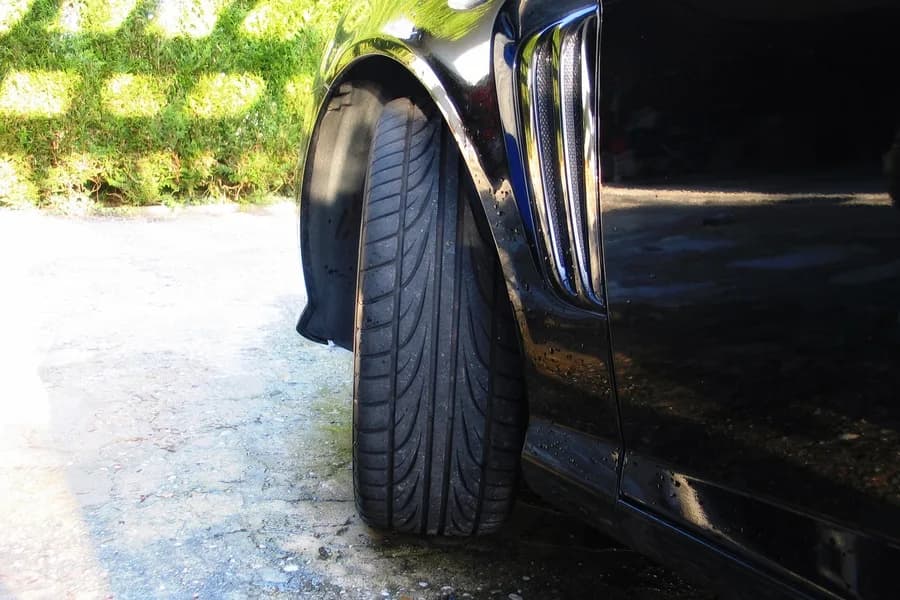
Tires & wheels
Factory sizes by trim, pressures, bolt pattern, lug torque
Wiper blades
Driver, passenger and rear blade lengths
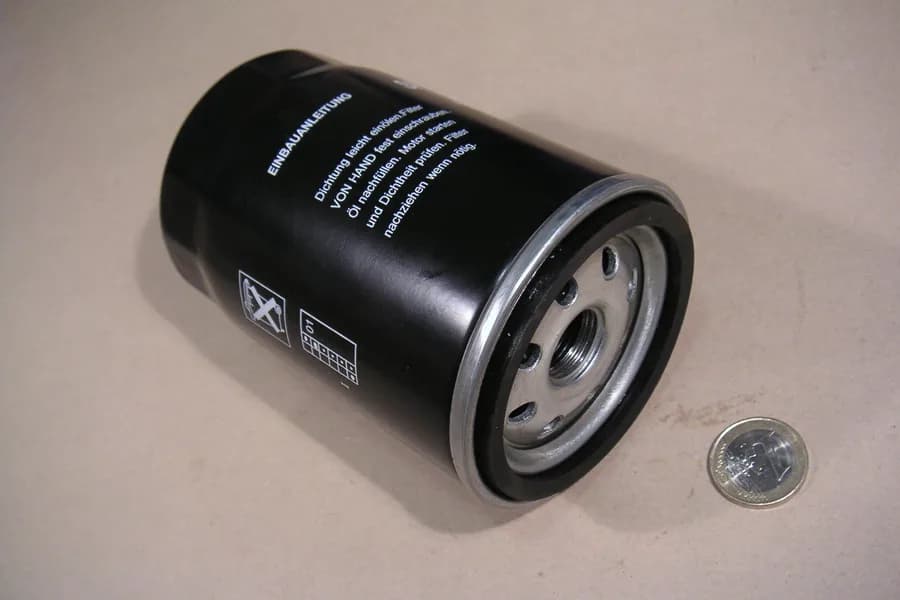
Air & cabin filters
Cabin and engine air filter part numbers, locations, intervals
Bulbs
Headlight, fog and marker bulb types
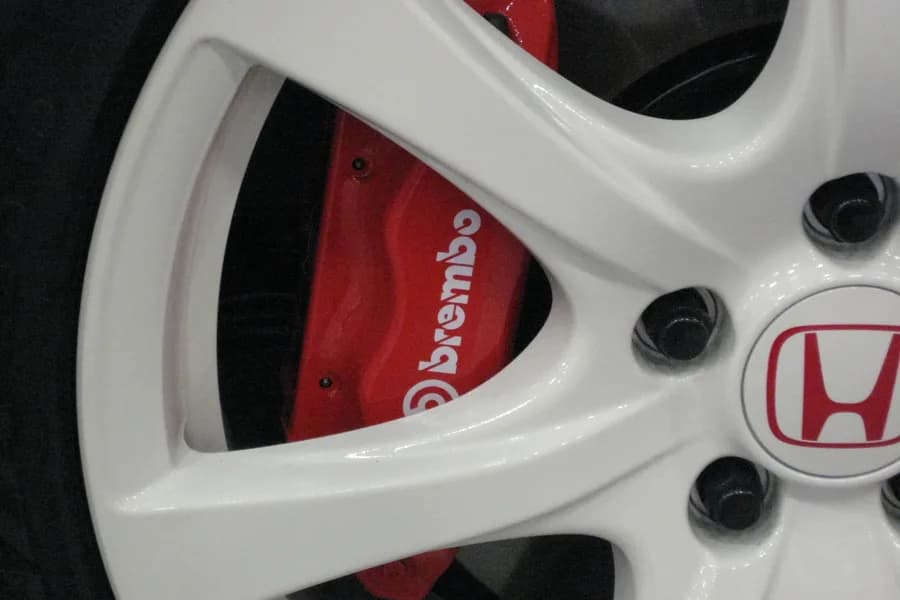
Brakes
Rotor diameters, pad references, service notes
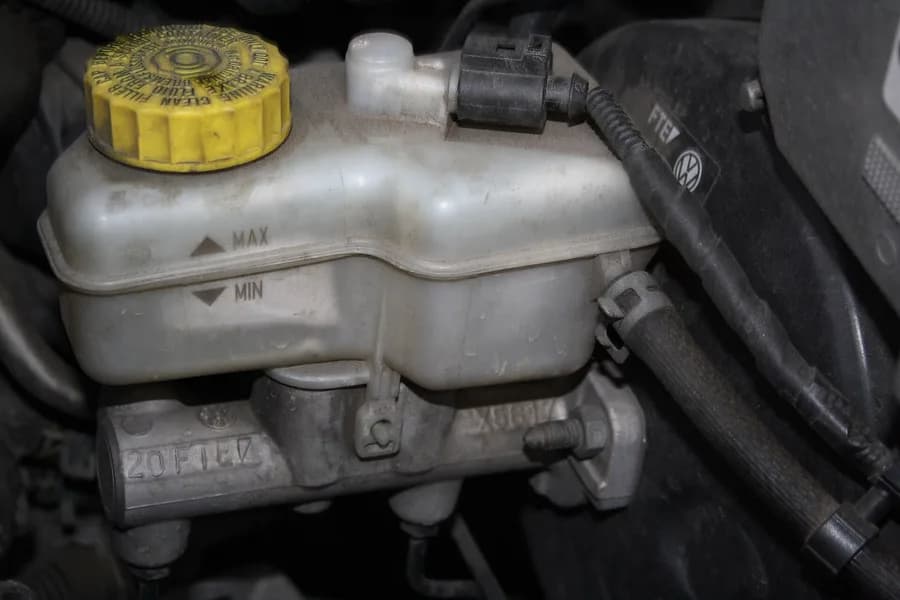
Fluids
Transmission fluid, coolant, brake fluid and capacities

Service schedule
What's actually due at every mileage interval
Problems & reliability
Documented failures, recalls, and which years to avoid
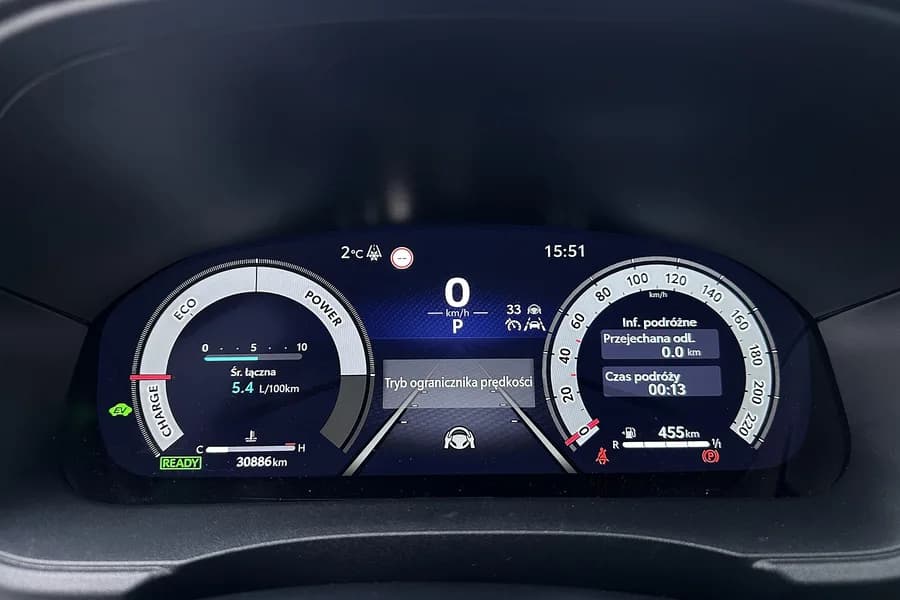
Oil light reset
Step-by-step maintenance light reset, no tools
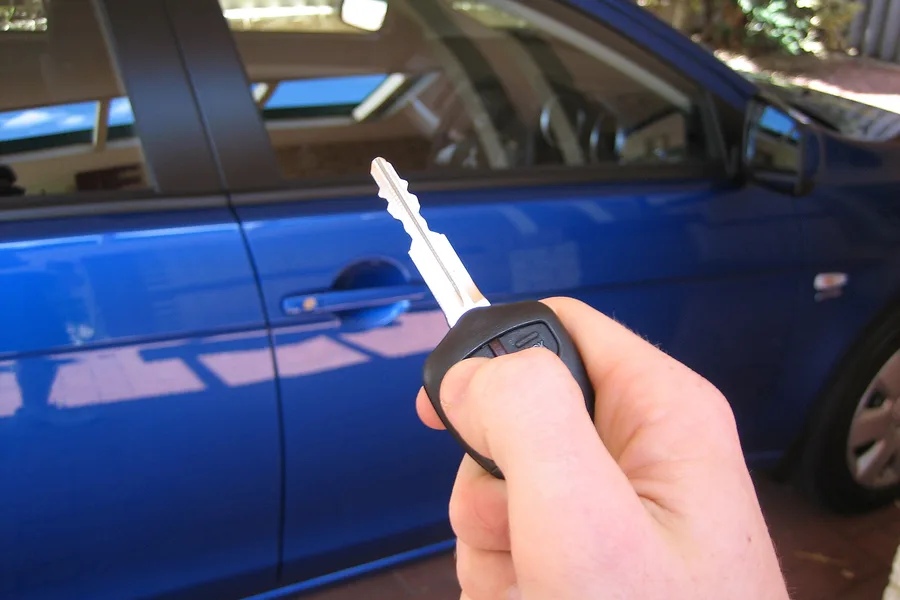
Key fob battery
Which coin cell the remote takes
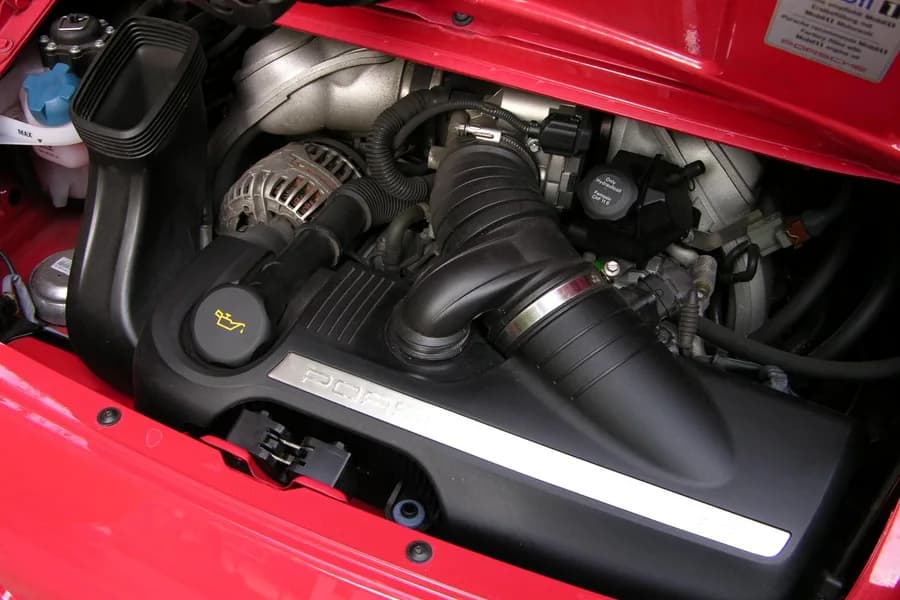
Specs
Towing, weight, fuel tank, fuel economy
These specifications are shared across every F-150 of the 13th generation (2015–2020, aluminum body) generation. See the 2015–2020 Ford F-150 overview for the full picture, or the Ford F-150 guide to compare every generation.
What changed for the 2020 Ford F-150
- 2020Final year of the generation; carryover mechanicals
- 2018–20203.0L Power Stroke diesel offered (from mid-2018)
Known problems with the 2020 Ford F-150
3 of the 6 issues we track for the 2015–2020 generation are documented against the 2020 model year, and 3 carry a recall or service bulletin.
Cam phaser rattle, 2017–2020 3.5L EcoBoost (major, widespread)
majorFord CSP 21N12; PCM update 21B10Second-gen 3.5L EcoBoosts develop a loud 1–3 second knock/rattle on cold start as worn VCT cam phasers slap before oil pressure arrives. Ford first issued a PCM calibration (21B10), then extended coverage under Customer Satisfaction Program 21N12 (expired Jan 2023) replacing phasers with a redesigned part. Out of program, phaser replacement is a deep timing-cover job; unlucky trucks have needed it more than once. A class action was filed.
Typical cost: Free under 21N12 (expired) or powertrain warranty; $2,500–$4,500 out of warranty
10R80 10-speed harsh shifting / clunk / CDF drum failure
majorTSB 22-2428 (CDF drum); multiple shift-quality TSBs2017+ trucks with the 10R80 draw heavy complaints for harsh 1–3 and 7–8 shifts, clunks, hesitation, and occasional loss of drive. Root causes range from adaptive-learning software (fixed by reflash/relearn) to a failing CDF drum bushing that sheds friction material (TSB 22-2428) and requires transmission repair. A class action was filed; NHTSA has investigated but not recalled for shift quality.
Typical cost: $0 (reflash/relearn) to $2,500–$4,000+ (CDF drum/rebuild out of warranty)
5.0L excessive oil consumption (2018–2020)
moderateTSB 19-2365Third-gen Coyotes can burn a quart in well under 3,000 miles. Ford's TSB 19-2365 procedure (PCM update, revised dipstick, and in stubborn cases new pistons/rings) helps some trucks but not all; a class action followed. Check the dipstick between changes, the 8.8-qt sump gives some buffer, but low oil plus cylinder-deactivation-era calibrations is a bad mix.
Typical cost: $0 under warranty/TSB; top-offs otherwise; $3,000+ for ring/piston repair out of warranty
3 more issues reported in other 2015–2020 years
- Brake master cylinder leak, recall expanded to this generation, 2015–2017 (3.5L EcoBoost)
- Frozen/inoperative door latches (recall), 2015–2017
- Seat belt pretensioner fires (recall), 2015–2018 (Regular Cab, SuperCrew)
Full detail, costs and sources on the Ford F-150 problems and years to avoid guide.
Which engines were offered in the 2020 F-150?
| Engine | Trims | Oil | Oil capacity |
|---|---|---|---|
| 3.3L Ti-VCT V6 (2018–2020) | XL, XLT (base engine 2018–2020) | 5W-20 | 6 qt |
| 2.7L EcoBoost V6 (Nano) | XL, XLT, Lariat (volume mid-range engine) | 5W-30 | 6 qt |
| 5.0L Ti-VCT V8 (Coyote; 385 hp 2015–17, 395 hp 2018–20) | XL–Platinum, King Ranch; standard on some Lariat configs | 5W-20 | 8.8 qt |
| 3.5L EcoBoost V6 (1st gen 2015–16, 365 hp; 2nd gen PFDI 2017–20, 375 hp; Raptor HO 450 hp) | XLT–Limited; Raptor (High Output) | 5W-30 | 6 qt |
| 3.0L Power Stroke turbodiesel V6 (2018–2020) | Lariat, King Ranch, Platinum (XL/XLT fleet) | 5W-30 (diesel-rated) | 6.5 qt |
About the Ford F-150
The Ford F-150 is America's best-selling vehicle, and the 2012–2025 span covers three mechanically distinct trucks. 5L EcoBoost twin-turbo, an engine that towed brilliantly but taught owners about intercooler condensation misfires and early timing-chain wear. 0L oil consumption (2018–2020).
5L PowerBoost full hybrid with Pro Power Onboard, and racked up a long but mostly software-fixable recall list. Across all three generations the bolt pattern is 6x135 with 150 lb-ft lug torque, wipers are 22 inches on both sides, and one Motorcraft FA-1883 engine air filter fits nearly every year, but oil specs, batteries, and transmission fluids changed repeatedly, which is exactly why owners look things up.
For how the specifications changed across every generation, see the full Ford F-150 guide.
Other Ford F-150 years
Sources
- Blauparts / Ford owner-manual data, 13th-gen oil capacities by engine
- NOLN Tech Spec, 2018 Ford F-150 service specifications
- NHTSA recall 20V-332, brake master cylinder, 2014–2017 F-150 3.5L EB
- NHTSA recall 17V-652 / Ford 17S33, door latch
- NHTSA recall 18V-568, seat belt pretensioners
- Motorcraft FL-2081 diesel oil filter fitment (2018–2021 3.0L Power Stroke)
- fueleconomy.gov, 2018 Ford F-150 EPA ratings
- Hardrock Offroad, F-150 OEM wheel/tire fitment guide by generation
- BatteryMart / Interstate, 2015–2020 F-150 H6/H7 battery fitment