
29 nameplates · 389 vehicle-year guides
Everything you need to know about your exact car.
Which oil. Which battery. Which tyres, wipers, and filters. What is due at 60,000 miles and what tends to break. Verified specifications pulled from owner's manuals and manufacturer data, not forum guesses.
Search 29 nameplates and 389 model years.
29
Nameplates covered
389
Vehicle-year guides
13
Topics per vehicle
100%
Source-cited specs
What we cover
One page for every question about your car
Thirteen component guides hang off every vehicle we hold data for, at both the model level and the exact model year. Each one leads with the answer, then shows the working.
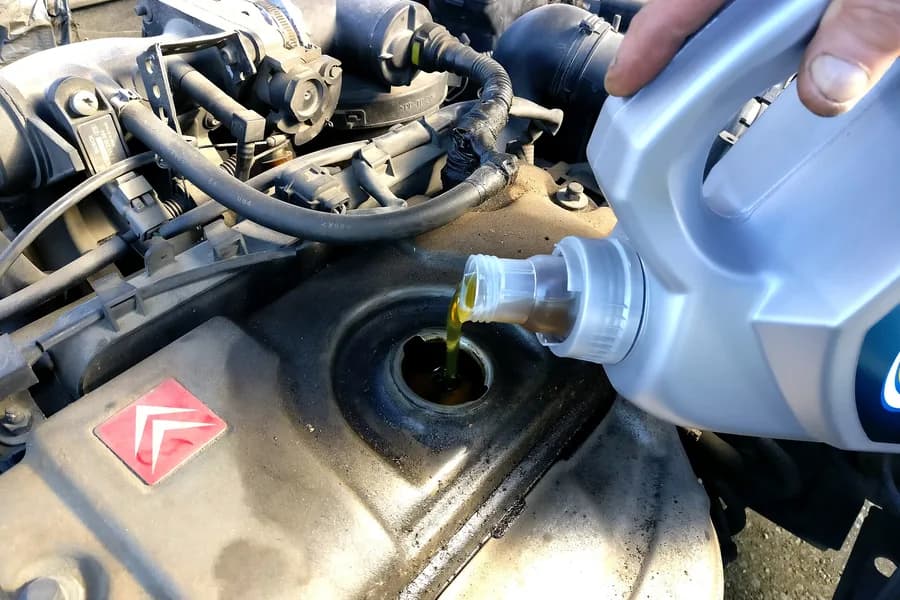
Oil type & capacity
Viscosity, how many quarts, which filter, and the drain plug torque.
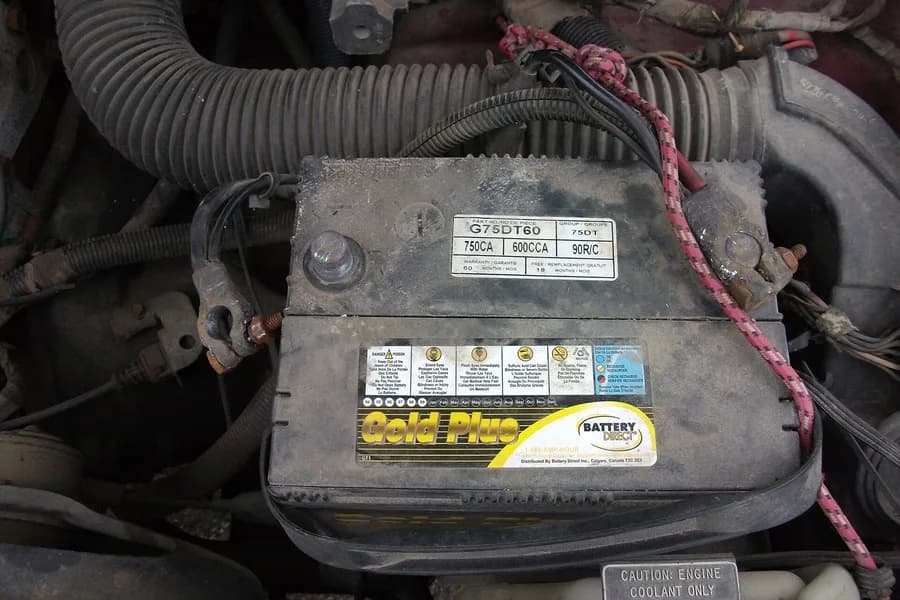
Battery size
BCI group size, cold cranking amps, and whether AGM is required.
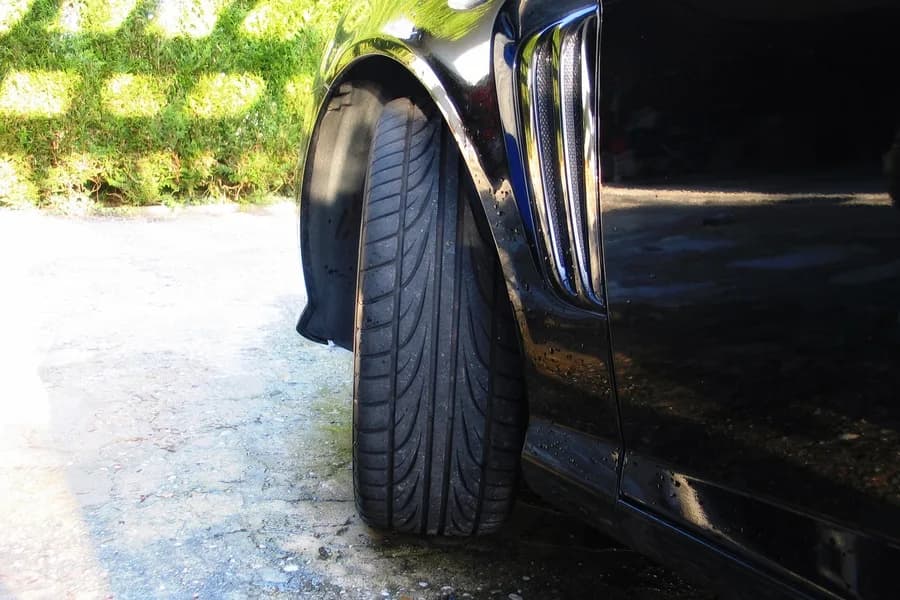
Tyres & pressure
Factory sizes by trim, bolt pattern, cold pressures, lug torque.
Wiper blade sizes
Driver, passenger, and rear blade lengths in inches.
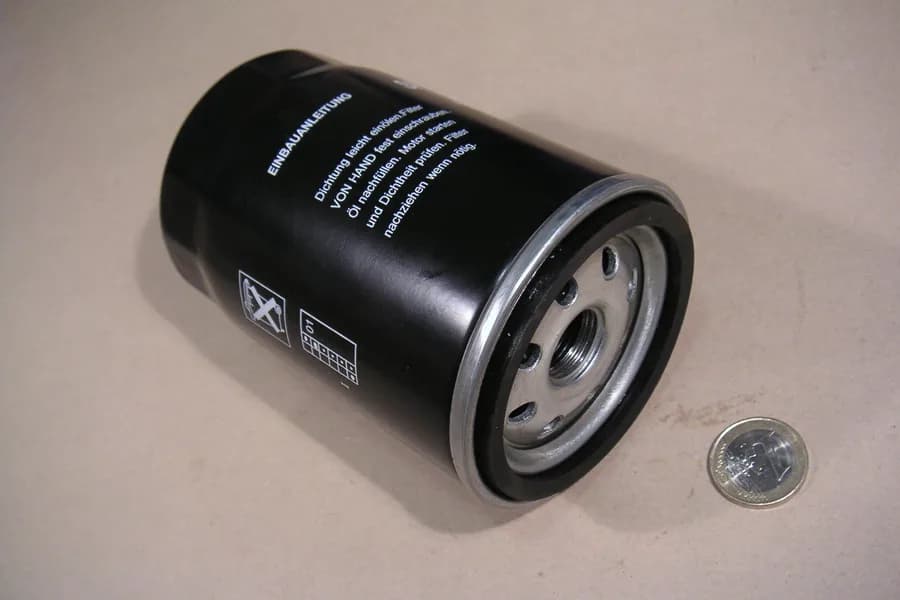
Air & cabin filters
OEM part numbers, where they hide, and how often to change them.

Service schedule
What is genuinely due at every mileage interval, and what is not.
Common problems
Documented failures, recalls, TSBs, and typical repair costs.
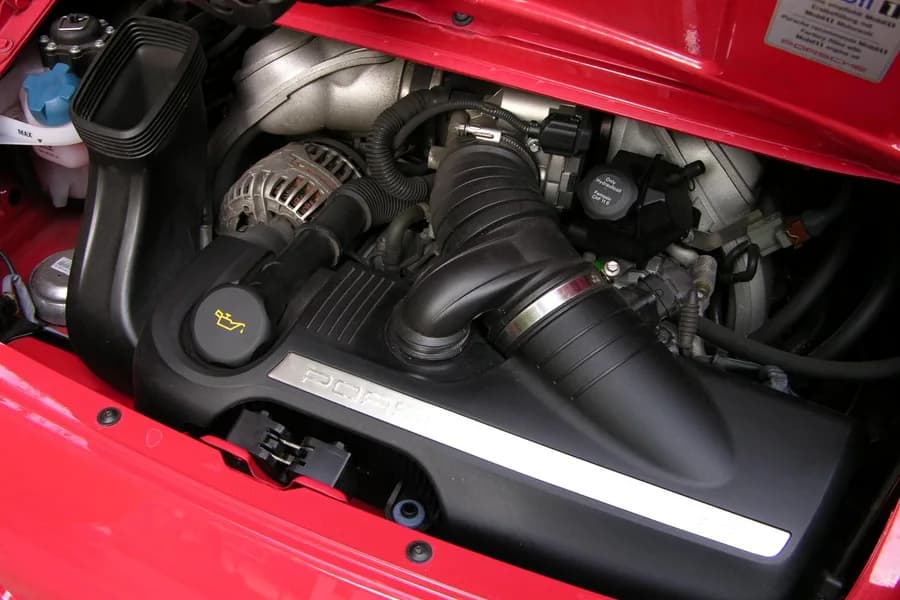
Specs & fluids
Fuel tank, towing, coolant, transmission fluid, key fob battery.
Browse
Pick a make
Every make below breaks down into nameplates, then generations, then individual model years.
Why this exists
The answer exists. It is just scattered.
The answer to "what oil does my car take" is real and knowable. It is just spread across a 600-page owner's manual PDF, a parts-counter database, three forum threads, and a label under your hood.
We aggregate it into one structured page per vehicle, cite where each specification came from, and label how confident we are in every number. When a spec is safety-critical, we say so plainly and tell you which page of the manual to check.
The structure matters as much as the data. A nameplate page covers the model across every year it was built. Under it sit the generations, and under those the individual model years, because a 2015 truck and a 2021 truck wearing the same badge can take different oil, a different battery, and different tyres. Choosing the wrong level of that hierarchy is how people end up with a part that almost fits.
Nothing here is written to fill a page. Every figure is one an owner has to know before buying a part or booking a service, and where we do not have it, the page says so rather than guessing. That is the whole standard.
- 01
Answer first
Every guide opens with the figure you came for, in one sentence, before any table.
- 02
Confidence-labelled
Verified, high confidence, or check your manual. Never presented as equally certain.
- 03
Source-cited
Owner's manuals, manufacturer documentation, and NHTSA data, listed on every page.
- 04
Dated
A visible last-verified date, so you know how old the number you are reading is.
Before you trust us
Common questions
What this site covers, where the numbers come from, and where its limits are.
What does WhichCarParts actually tell me?
- The ownership facts for one exact vehicle: which oil and how many quarts, which battery group size, which tyre sizes and pressures, which wiper lengths, which air and cabin filters, what the manufacturer service schedule asks for at each interval, and which failures are documented for that model year. Pick your year, make, and model and every one of those sits on a single page.
Where do the specifications come from?
- Manufacturer owner's manuals and official maintenance guides first, cross-checked against major parts-fitment databases, with recall and complaint data from the NHTSA. The sources behind each generation are listed at the bottom of every vehicle page, so you can go and read them yourself rather than taking our word for it.
How do I know a number is right?
- Every specification carries one of three confidence labels. Verified means we confirmed it against the owner's manual or manufacturer documentation. High confidence means it is consistent across multiple reputable fitment databases but not confirmed against a primary document. Check your manual means it is reported by aftermarket sources only, and we say so instead of hiding it.
Do you sell parts?
- No. We publish no prices, no stock, and no affiliate offers, which means there is nothing pushing a number one way or the other. The site exists to tell you what fits, so that wherever you buy it, you buy the right thing the first time.
Which vehicles are covered?
- US-market passenger cars, trucks, and SUVs, organised by nameplate and then by generation and model year. We add nameplates by request and by search demand rather than trying to cover everything shallowly. If your vehicle is missing, tell us the year, make, and model and it goes on the list.
How current is the data?
- Every vehicle page shows the date its data was last verified, and that date is the honest one: it moves when we recheck the figures, not when the page was rebuilt. Service intervals and fitment data change rarely, but recalls and technical service bulletins do not, so the problem sections see the most revision.
Can I rely on this instead of the owner's manual?
- No, and we would rather say that plainly. Specifications vary with engine option, production date, and market, so two genuinely correct figures can disagree. Use us to know what to look for and what a reasonable answer is, then confirm against the manual for your own vehicle, the placard on your door jamb, and the labels under your hood before you service anything.
I think a specification is wrong. What now?
- Tell us. Accuracy is the entire product, so a correction is the most useful message we receive. Send the page URL and, if you have it, where the correct figure comes from, and we will recheck it against the primary source and update the page.