12th generation (2009–2014; covered from 2012) · 2012–2014 · Full-size pickup (steel body; Regular Cab, SuperCab, SuperCrew)
2013 Ford F-150 parts and specs
Everything you need to own and maintain this exact model year. Verified specifications, part numbers, and the problems that recur, in one place.
Last verified
Quick facts
Specifications for the 2012–2014 F-150
Oil & filter
Viscosity, capacity, filter part numbers, change interval
Battery
BCI group size, cold cranking amps, AGM or flooded
Tires & wheels
Factory sizes by trim, pressures, bolt pattern, lug torque
Wiper blades
Driver, passenger and rear blade lengths
Air & cabin filters
Cabin and engine air filter part numbers, locations, intervals
Bulbs
Headlight, fog and marker bulb types
Brakes
Rotor diameters, pad references, service notes
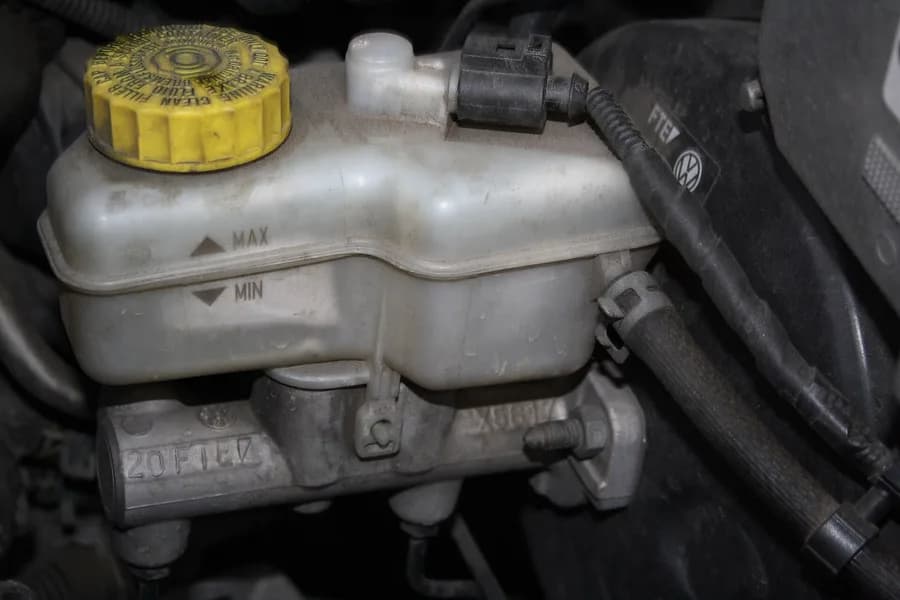
Fluids
Transmission fluid, coolant, brake fluid and capacities

Service schedule
What's actually due at every mileage interval
Problems & reliability
Documented failures, recalls, and which years to avoid
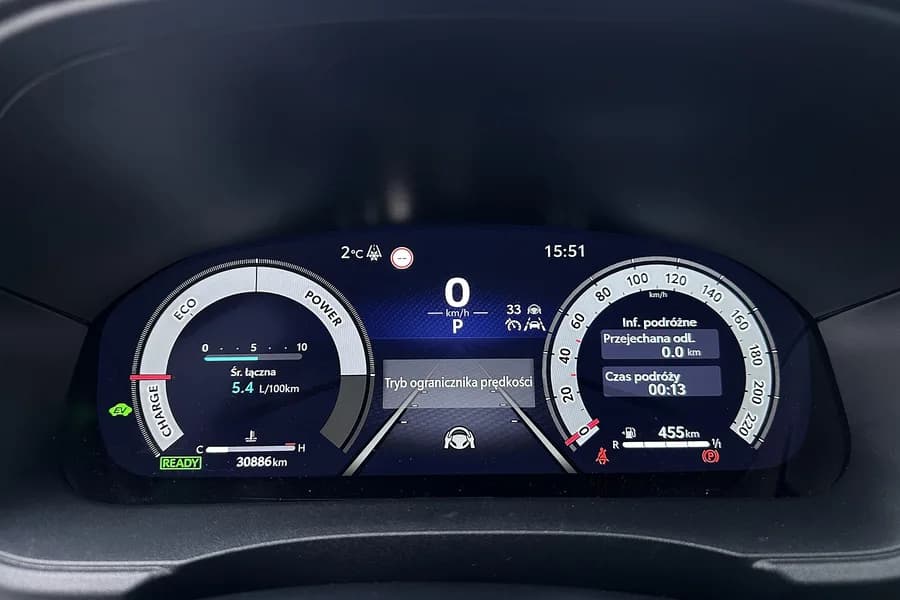
Oil light reset
Step-by-step maintenance light reset, no tools
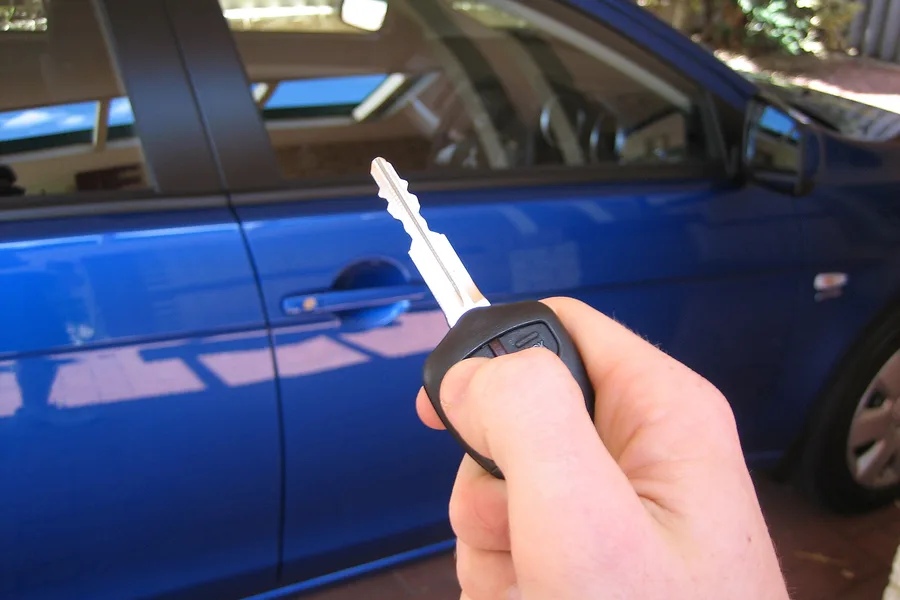
Key fob battery
Which coin cell the remote takes
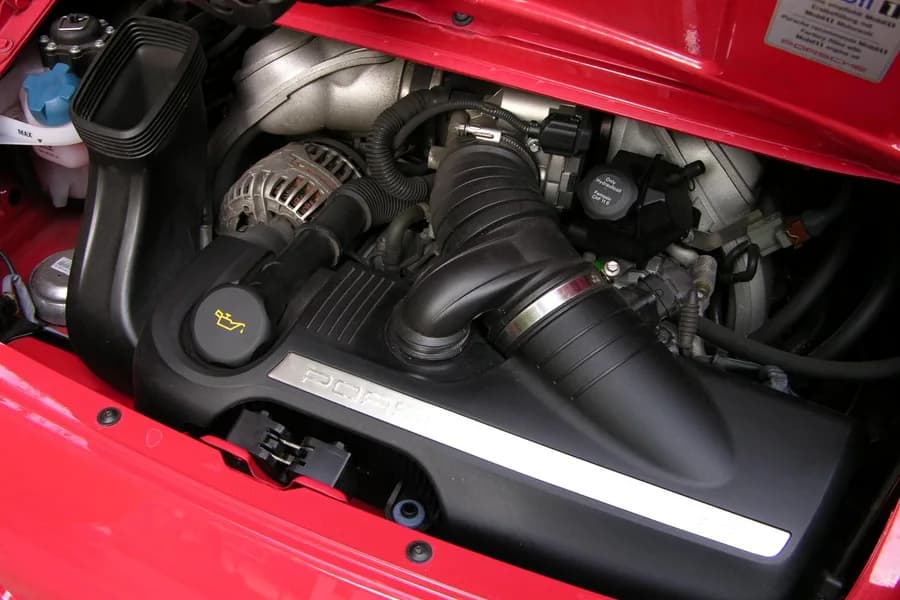
Specs
Towing, weight, fuel tank, fuel economy
These specifications are shared across every F-150 of the 12th generation (2009–2014; covered from 2012) generation. See the 2012–2014 Ford F-150 overview for the full picture, or the Ford F-150 guide to compare every generation.
What changed for the 2013 Ford F-150
- 2013Refresh: new grilles, HID-equipped trims, MyFord Touch available, Limited trim returns (22-in wheels)
Known problems with the 2013 Ford F-150
5 of the 5 issues we track for the 2012–2014 generation are documented against the 2013 model year, and 3 carry a recall or service bulletin.
3.5L EcoBoost intercooler (CAC) condensation misfire
moderateTSB 13-8-1 (and 12-11-15)In humid weather, condensation pools in the charge-air cooler and gets ingested under hard acceleration after highway cruising, causing a violent stumble/misfire (P0304–P0306) and sometimes a white-smoke puff. Ford's fix (TSB 13-8-1, superseding 12-11-15) adds an air deflector in front of the CAC and revised calibration. Widely reported on 2011–2013 trucks; an NHTSA investigation was closed without a recall.
Typical cost: $0 under warranty/TSB; $150–$400 for a deflector/reflash out of warranty
Early 3.5L EcoBoost timing chain stretch
majorFirst-run 3.5L EcoBoosts (mostly 2011–2012, some 2013) can stretch timing chains and wear guides/tensioners, showing a cold-start rattle and P0016/P0008 codes. Neglected oil changes accelerate it. The repair is chains, guides, tensioners, and phasers, a big labor job. Later builds got improved parts.
Typical cost: $1,500–$3,000 parts and labor
Brake master cylinder fluid leak (recall)
majorNHTSA 16V-345 (Ford 16S24)On 3.5L EcoBoost trucks the master cylinder's rear cup seal can roll, letting brake fluid leak from the front-circuit reservoir into the booster, the pedal goes long and front braking fades, usually with a fluid warning light. Ford recalled 2013–2014 trucks (16V-345/Ford 16S24) and later expanded the campaign to 2014–2017 (20V-332) and 2016–2017 (22V-150). Dealers replace the master cylinder, plus the booster if it leaked.
Typical cost: Free under recall
Unintended downshift into 1st gear (recall)
majorNHTSA 19V-075 (Ford 19S07)An intermittent output-shaft-speed-sensor signal loss can make the 6R80 suddenly downshift to first at any road speed, chirping or locking the rear tires. Ford recalled about 1.48 million 2011–2013 F-150s in 2019; the fix is a free PCM reflash (some 2013 5.0/6.2 trucks needed a follow-up recall after an incorrect first repair).
Typical cost: Free under recall (software update)
MyFord Touch freezes and glitches
minor2011–2014 trucks with MyFord Touch (SYNC 2) suffer frozen screens, reboots, lost Bluetooth, and unresponsive climate controls. Software updates improved it but never fully cured it; some owners retrofit SYNC 3 hardware or aftermarket units. Annoying, not dangerous.
Typical cost: $0 (updates/reset) – $500+ (SYNC 3 retrofit or aftermarket head unit)
Full detail, costs and sources on the Ford F-150 problems and years to avoid guide.
Which engines were offered in the 2013 F-150?
| Engine | Trims | Oil | Oil capacity |
|---|---|---|---|
| 3.7L Ti-VCT V6 (Duratec) | XL, STX, XLT (base engine) | 5W-20 | 6 qt |
| 5.0L Ti-VCT V8 (Coyote) | XL, XLT, FX2/FX4, Lariat, King Ranch | 5W-20 | 7.7 qt |
| 3.5L EcoBoost V6 (1st gen, twin-turbo) | XLT, FX2/FX4, Lariat, King Ranch, Platinum, Limited | 5W-30 | 6 qt |
| 6.2L SOHC V8 (Boss) | SVT Raptor (standard), Lariat/Harley-Davidson/Platinum (optional) | 5W-20 | 7 qt |
About the Ford F-150
The Ford F-150 is America's best-selling vehicle, and the 2012–2025 span covers three mechanically distinct trucks. 5L EcoBoost twin-turbo, an engine that towed brilliantly but taught owners about intercooler condensation misfires and early timing-chain wear. 0L oil consumption (2018–2020).
5L PowerBoost full hybrid with Pro Power Onboard, and racked up a long but mostly software-fixable recall list. Across all three generations the bolt pattern is 6x135 with 150 lb-ft lug torque, wipers are 22 inches on both sides, and one Motorcraft FA-1883 engine air filter fits nearly every year, but oil specs, batteries, and transmission fluids changed repeatedly, which is exactly why owners look things up.
For how the specifications changed across every generation, see the full Ford F-150 guide.
Other Ford F-150 years
Sources
- Ford 2013 F-150 Owner's Manual, capacities (via VehicleHistory/engine oil DB summaries)
- Ford TSB 13-8-1, 3.5L GTDI intermittent stumble/misfire in humid conditions
- NHTSA recall 19V-075, unintended downshift, 2011–2013 F-150
- NHTSA recall 16V-345, brake master cylinder, 2013–2014 F-150 3.5L EB
- Hardrock Offroad, F-150 OEM wheel/tire fitment guide by generation
- fueleconomy.gov, 2013 Ford F-150 EPA ratings
- O'Reilly/AutoZone battery fitment, 2012–2014 F-150 Group 65