
4th generation (RM) · 2012–2016 · Compact crossover SUV (FWD or Real Time AWD)
2015 Honda CR-V parts and specs
Everything you need to own and maintain this exact model year. Verified specifications, part numbers, and the problems that recur, in one place.
Last verified
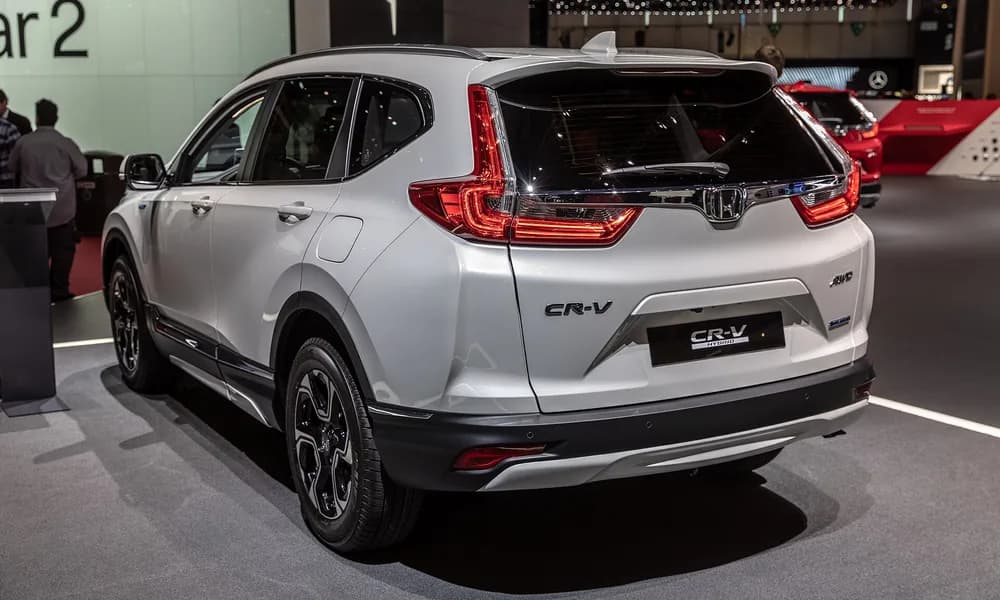
Quick facts
Specifications for the 2012–2016 CR-V
Oil & filter
Viscosity, capacity, filter part numbers, change interval
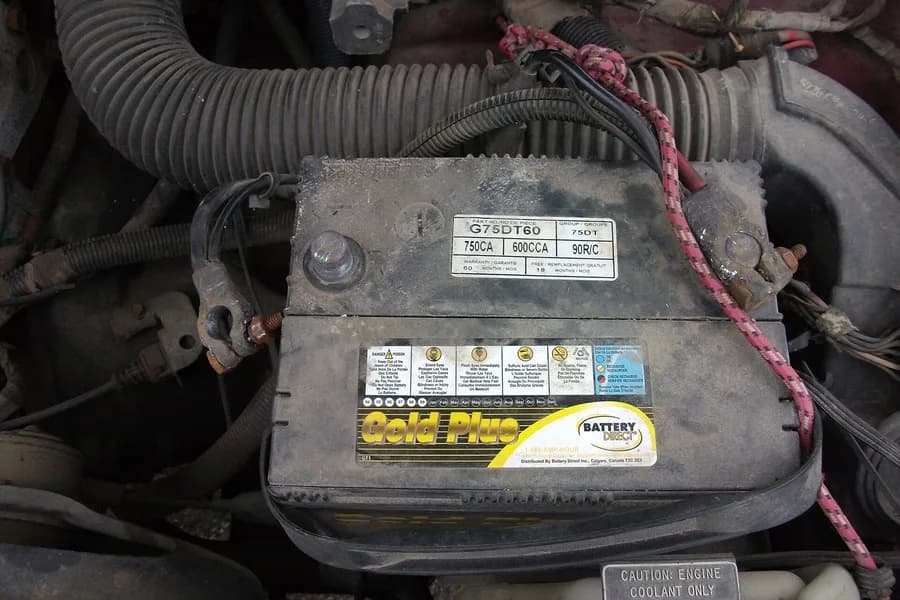
Battery
BCI group size, cold cranking amps, AGM or flooded
Tires & wheels
Factory sizes by trim, pressures, bolt pattern, lug torque
Wiper blades
Driver, passenger and rear blade lengths
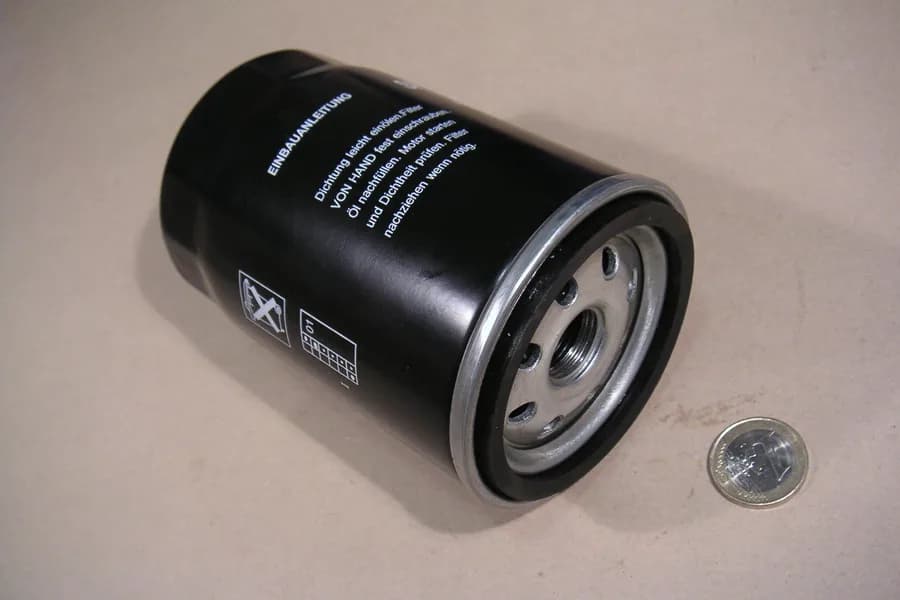
Air & cabin filters
Cabin and engine air filter part numbers, locations, intervals
Bulbs
Headlight, fog and marker bulb types
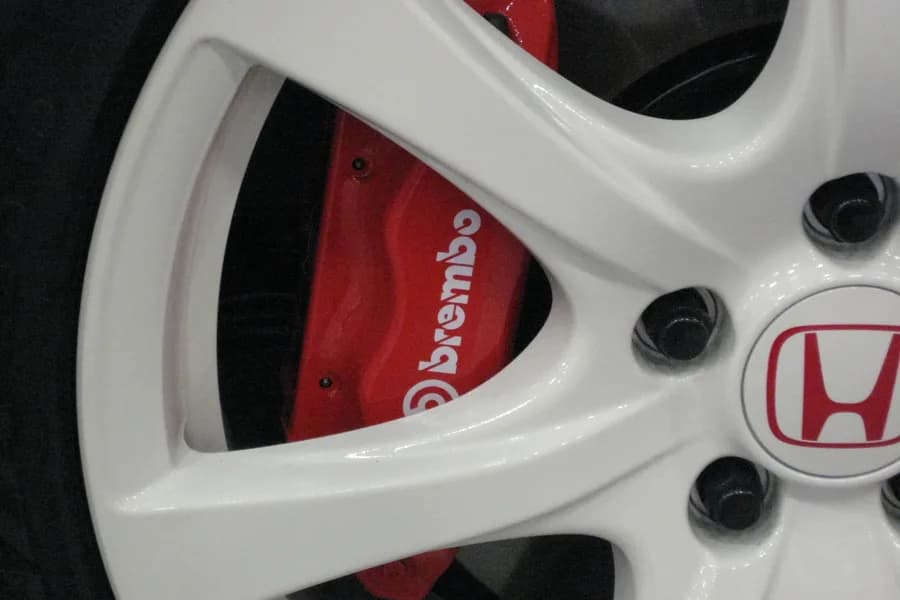
Brakes
Rotor diameters, pad references, service notes
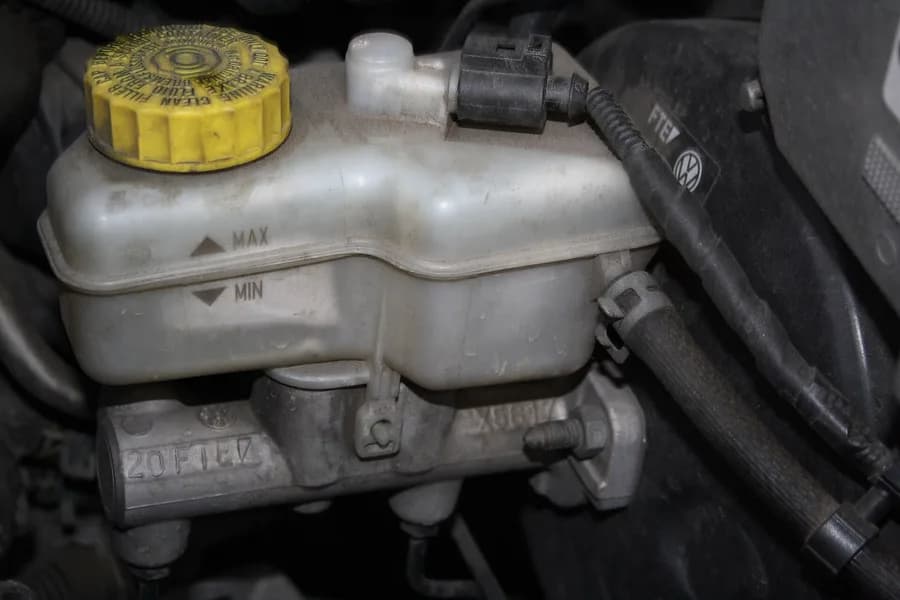
Fluids
Transmission fluid, coolant, brake fluid and capacities

Service schedule
What's actually due at every mileage interval
Problems & reliability
Documented failures, recalls, and which years to avoid
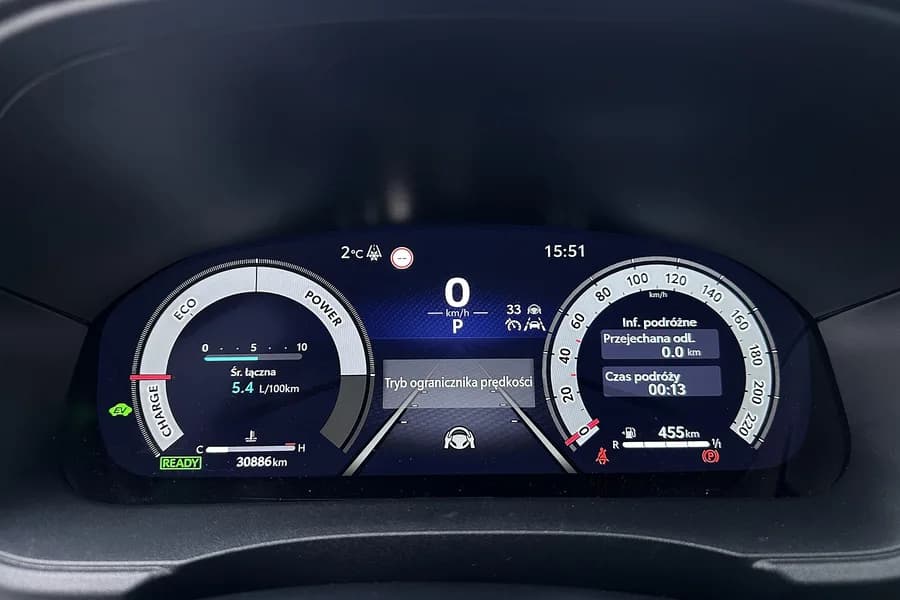
Oil light reset
Step-by-step maintenance light reset, no tools
Key fob battery
Which coin cell the remote takes
Specs
Towing, weight, fuel tank, fuel economy
These specifications are shared across every CR-V of the 4th generation (RM) generation. See the 2012–2016 Honda CR-V overview for the full picture, or the Honda CR-V guide to compare every generation.
What changed for the 2015 Honda CR-V
- 2015Major refresh: direct-injected Earth Dreams 2.4L (K24W9) + CVT, new Touring trim with 18-in wheels, Honda Sensing introduced on Touring
Known problems with the 2015 Honda CR-V
5 of the 5 issues we track for the 2012–2016 generation are documented against the 2015 model year, and 2 carry a recall or service bulletin.
VTC actuator cold-start rattle (K24)
moderateHonda TSB 16-012 (supersedes earlier K24 VTC bulletins)A loud 1–3 second rattle/grind at cold start-up is the K24's variable timing control (VTC) actuator losing oil pressure preload overnight, the signature 2.4L Honda noise. Honda TSB 16-012 covers diagnosis and actuator replacement. The noise itself rarely causes immediate damage, but a worn actuator can eventually throw timing codes, and replacements have been known to develop the noise again.
Typical cost: $500–$800 parts and labor (actuator + timing cover work)
Vibration/shudder at idle and low speed (2015–2016 Earth Dreams + CVT)
moderateHonda TSB 15-046The 2015 redesign's direct-injected engine and CVT drew thousands of complaints about vibration felt through the seats and wheel at idle and low speed. Bad enough to make national news. Honda issued TSB 15-046 (software updates for the engine/CVT and active engine-mount control) which reduces but does not always eliminate it. There was no recall; test-drive an affected car warm and cold before buying.
Typical cost: Free under TSB/goodwill (software); no complete hardware fix exists
Door lock actuator failures
minorPower door lock actuators wear out and either stop responding to the fob/switch or cycle intermittently, often one door at a time. It is one of the most common owner-reported gen-4 repairs. The actuator is inside the door latch assembly; replacement is a straightforward door-panel-off job and good used/aftermarket latches are cheap.
Typical cost: $80–$150 DIY per door; $250–$400 at a shop
A/C compressor clutch and relay failures (intermittent warm air)
moderateOwners report A/C that intermittently blows warm: the usual culprits are a failing compressor relay (a cheap first check), a worn compressor clutch/clutch air gap, or ultimately a failed compressor. Swap the relay first. It is a $15 part and fixes a surprising share of cases before condemning the compressor.
Typical cost: $15 (relay) to $700–$1,100 (compressor replacement)
Group 51R battery marginal capacity / repeat dead batteries
minorThe small factory 51R battery (~410 CCA) ages fast, and cars driven on short trips kill them well before 4 years. Symptoms are slow cranking and dead mornings after cold nights. Replace with a quality 500 CCA 51R; load-test rather than guessing.
Typical cost: $130–$220 for a replacement battery
Full detail, costs and sources on the Honda CR-V problems and years to avoid guide.
Which engines were offered in the 2015 CR-V?
| Engine | Trims | Oil | Oil capacity |
|---|---|---|---|
| 2.4L 4-cylinder (K24W9 'Earth Dreams', direct injection), 2015–2016 | All 2015–2016 trims (LX, SE, EX, EX-L, Touring); CVT | 0W-20 | 4.6 qt |
About the Honda CR-V
The Honda CR-V is one of America's best-selling compact SUVs, and the 2012–2025 span covers three generations with very different powertrains under a familiar shape. 4L (K24W9) and a CVT for 2015–2016, a change that brought better mpg along with widely reported idle-vibration complaints, and the K24's classic cold-start VTC actuator rattle. 0L two-motor hybrid arrived for 2020.
0L hybrid roughly half of sales; its headline issues are the 'sticky steering' recall (24V-744) and a hybrid fuel pump recall (24V-763). 3 bolt pattern with 80 ft-lb lug torque, CR2032 smart-key batteries, and Honda's Maintenance Minder deciding service timing instead of a fixed mileage chart. CVT models take Honda HCF-2 fluid only. Do not substitute regular ATF or generic 'multi-vehicle' CVT fluid.
For how the specifications changed across every generation, see the full Honda CR-V guide.
Other Honda CR-V years
Sources
- AMSOIL lookup, 2016 CR-V 2.4L K24W9 oil capacity 4.6 qt
- College Hills Honda, 17220-R5A-A00 air filter (2012–2014 CR-V)
- College Hills Honda, 17220-5LA-A00 air filter (2015–2016 CR-V)
- HondaPartsNow. 80292-SDA-407 cabin filter fits 2007–2016 CR-V
- TireSize.com, 2016 Honda CR-V OE fitments by trim
- AutoZone, Honda CR-V Group 51R battery application
- EricTheCarGuy, Honda 2.4L VTC actuator noise (TSB fix)
- CR-V Owners Club, 2015 CR-V vibration at idle, TSB 15-046
- fueleconomy.gov, 2014 / 2016 CR-V EPA ratings