
5th generation (RW) · 2017–2022 · Compact crossover SUV (FWD or Real Time AWD; hybrid AWD-only)
2017 Honda CR-V parts and specs
Everything you need to own and maintain this exact model year. Verified specifications, part numbers, and the problems that recur, in one place.
Last verified
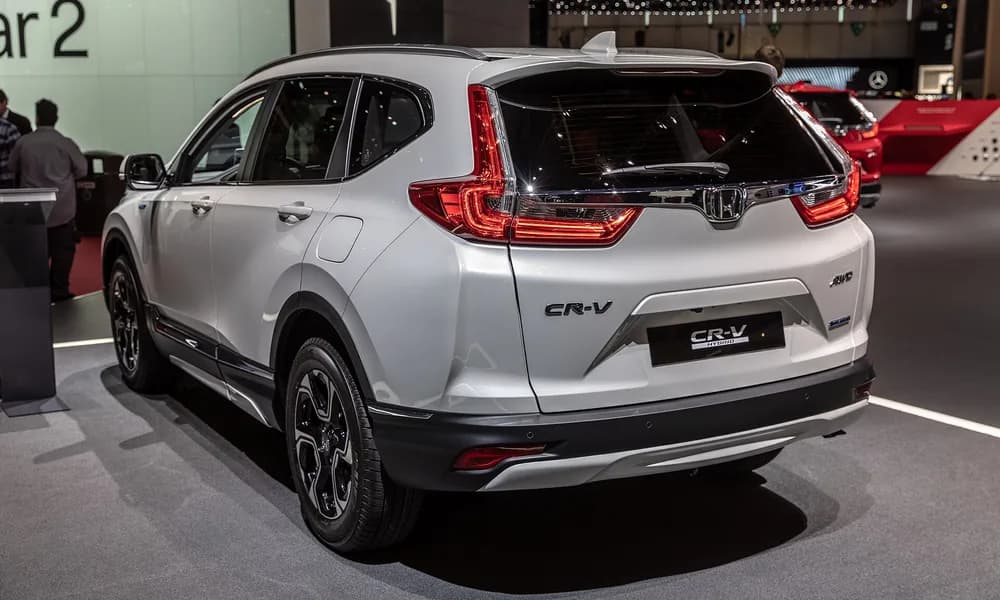
Quick facts
Specifications for the 2017–2022 CR-V
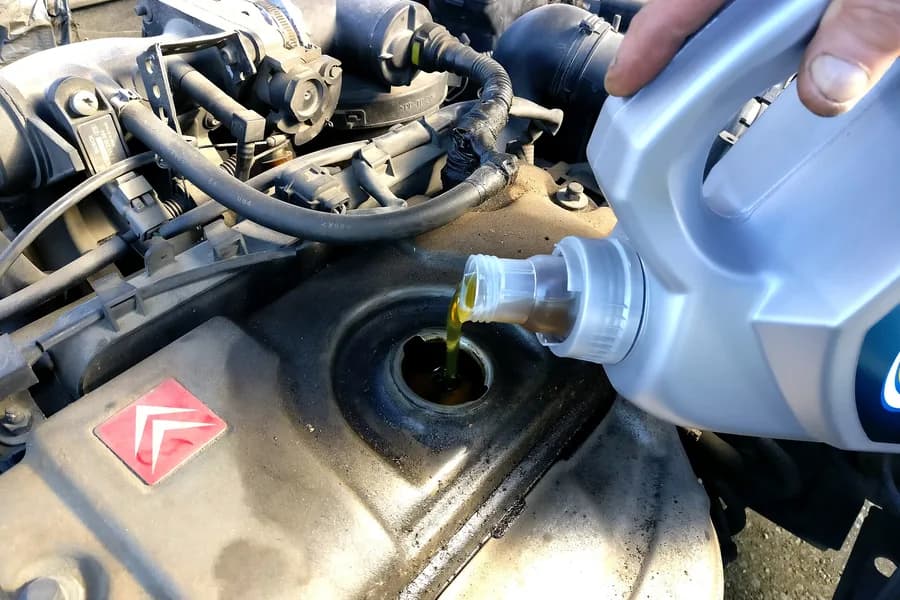
Oil & filter
Viscosity, capacity, filter part numbers, change interval
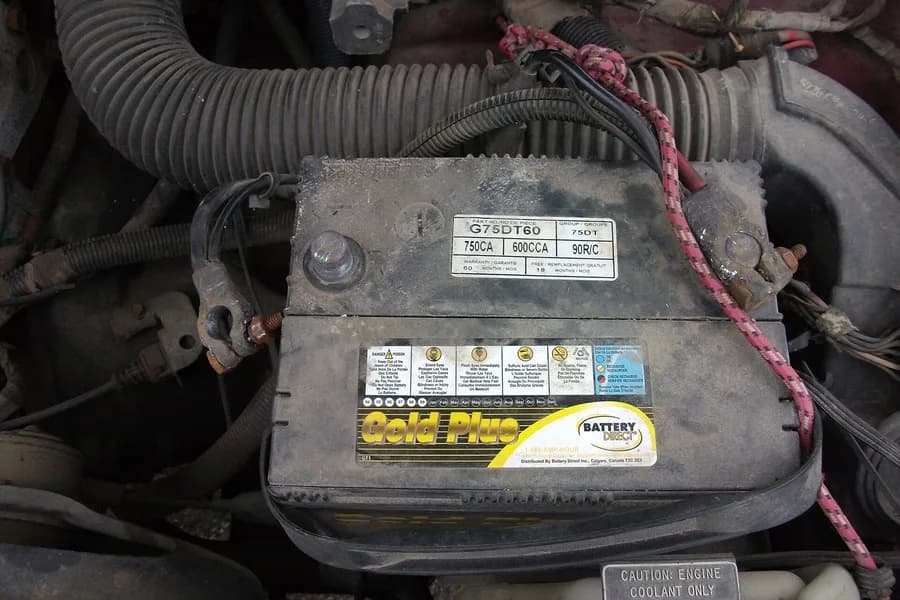
Battery
BCI group size, cold cranking amps, AGM or flooded
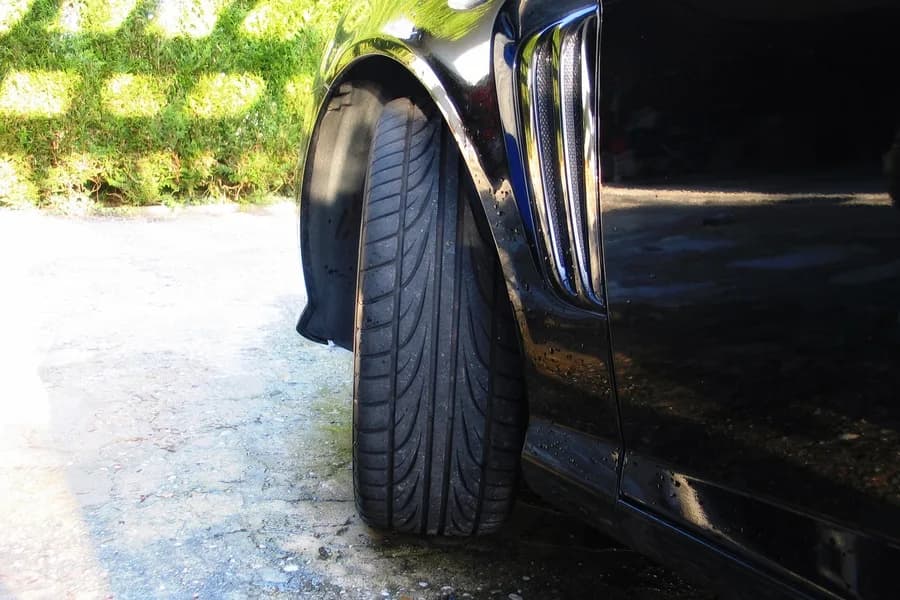
Tires & wheels
Factory sizes by trim, pressures, bolt pattern, lug torque
Wiper blades
Driver, passenger and rear blade lengths
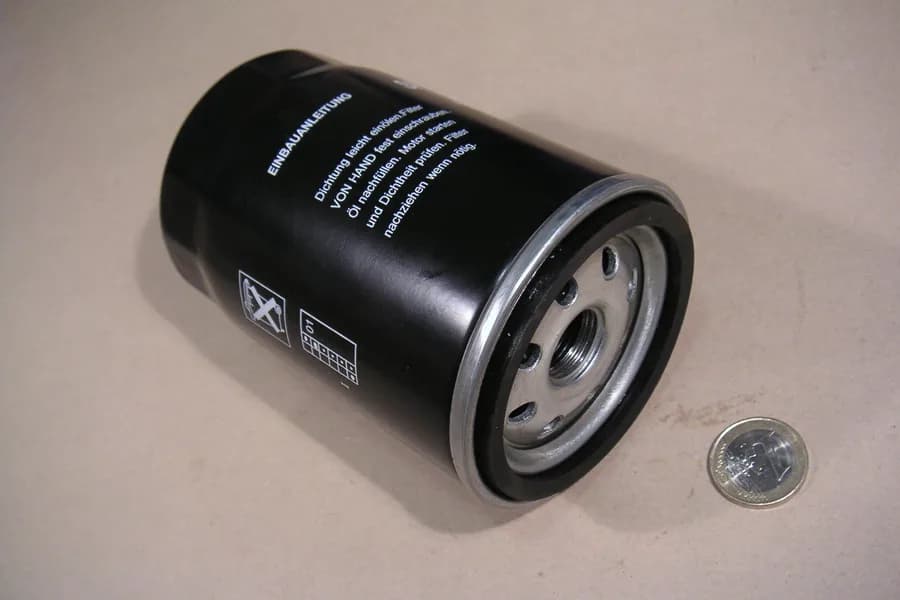
Air & cabin filters
Cabin and engine air filter part numbers, locations, intervals
Bulbs
Headlight, fog and marker bulb types
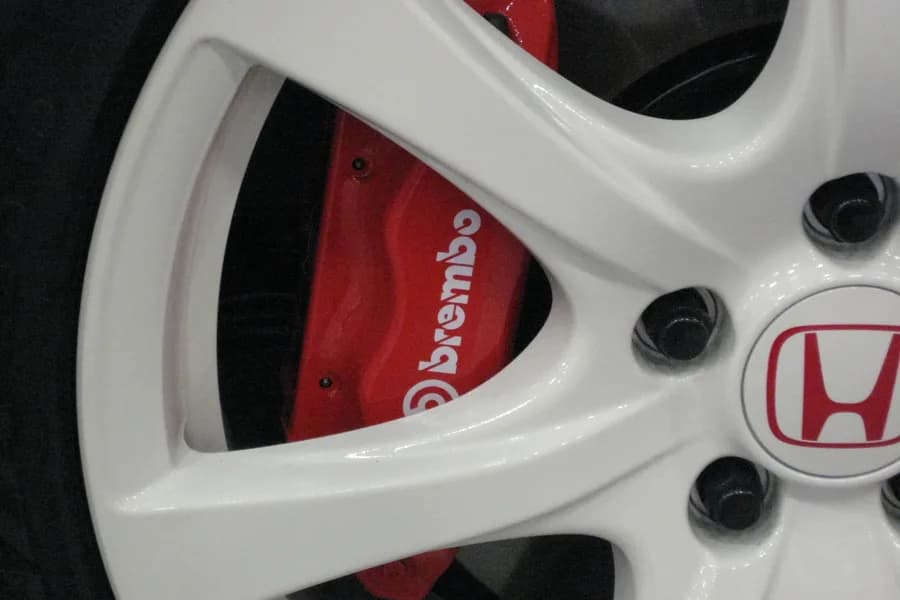
Brakes
Rotor diameters, pad references, service notes
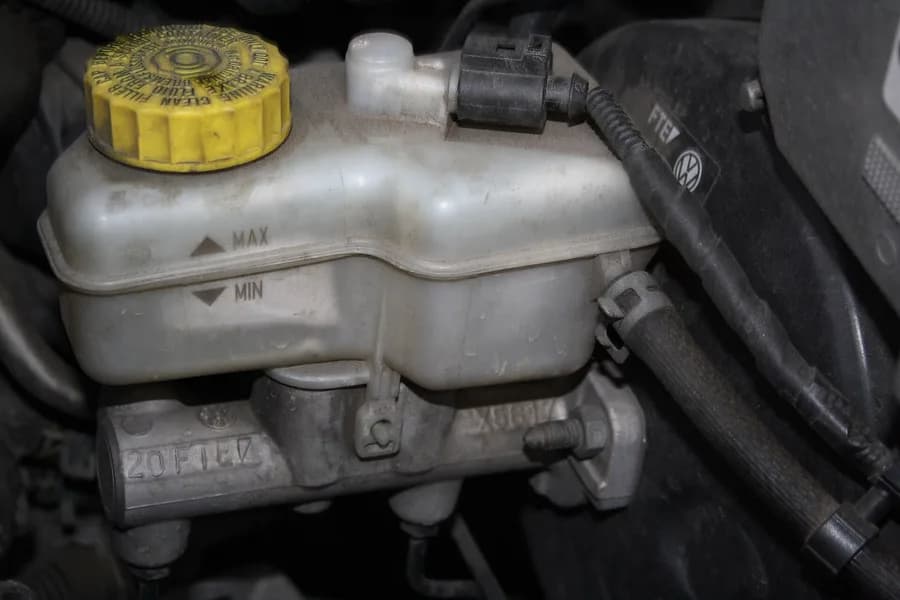
Fluids
Transmission fluid, coolant, brake fluid and capacities

Service schedule
What's actually due at every mileage interval
Problems & reliability
Documented failures, recalls, and which years to avoid
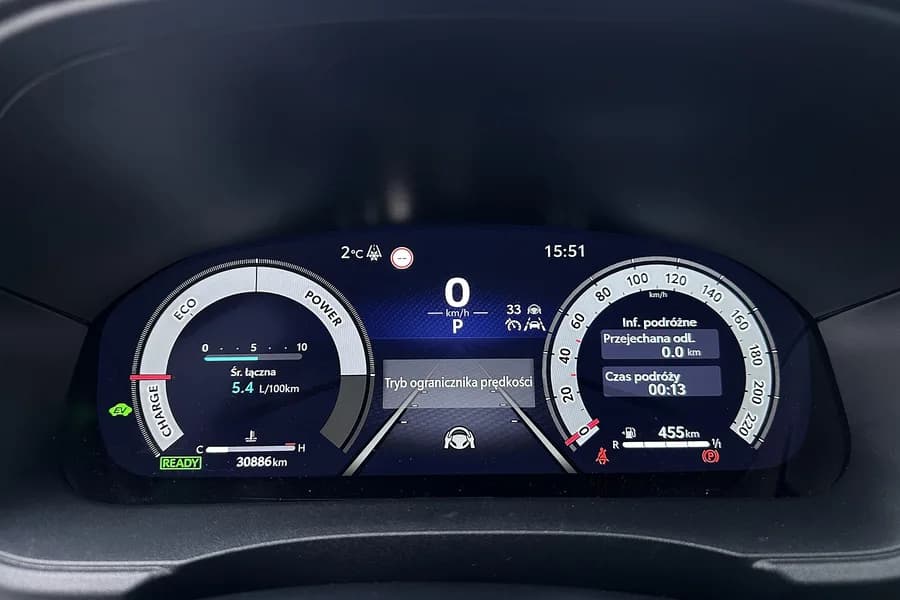
Oil light reset
Step-by-step maintenance light reset, no tools
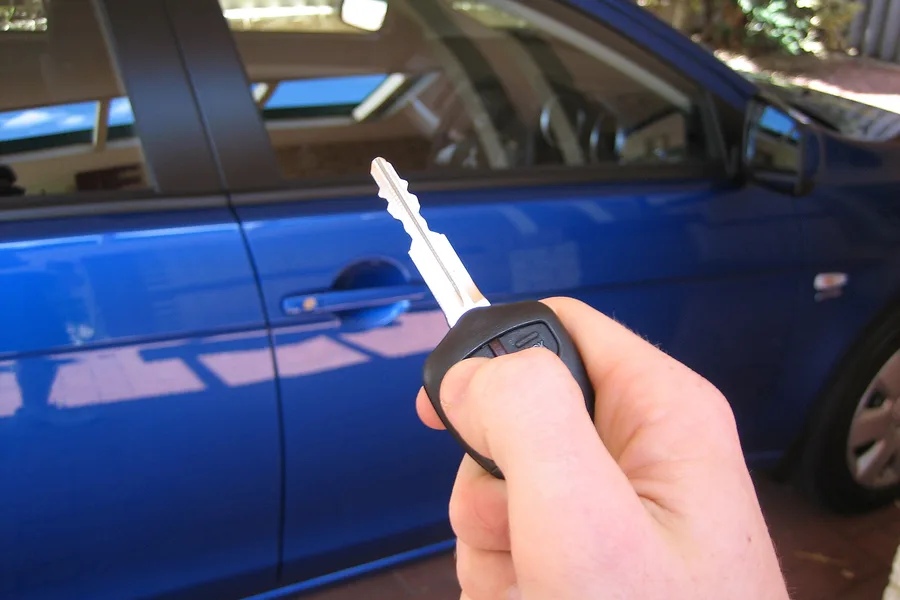
Key fob battery
Which coin cell the remote takes
Specs
Towing, weight, fuel tank, fuel economy
These specifications are shared across every CR-V of the 5th generation (RW) generation. See the 2017–2022 Honda CR-V overview for the full picture, or the Honda CR-V guide to compare every generation.
What changed for the 2017 Honda CR-V
- 2017Generation launch: 1.5T on EX and above, 2.4L on LX; Honda Sensing standard from EX (all trims 2020)
Known problems with the 2017 Honda CR-V
4 of the 5 issues we track for the 2017–2022 generation are documented against the 2017 model year, and 3 carry a recall or service bulletin.
1.5T oil dilution, gasoline mixing into the engine oil (THE known CR-V issue)
majorHonda TSB 18-114 (product update); 6-yr/unlimited-mile engine warranty extension; no NHTSA recall was issuedIn cold climates and on short trips, unburned fuel washes past the rings of the 1.5L turbo and accumulates in the crankcase: the oil level RISES above the fill mark, the dipstick smells of gasoline, and owners reported poor cabin heat, misfires (P0300-series), and fouled plugs. Honda's fix is product update TSB 18-114 (revised ECU warm-up logic, transmission software, and in some cases an A/C control unit update, plus an oil change) and a warranty extension on the engine to 6 years with UNLIMITED mileage (originally for ~239,000 cars in 21 cold-weather states, later applied more broadly by goodwill; a class-action settlement followed). 2019+ got the updated software from the factory. If your level reads high: get the update done free, change the oil, and document everything for the extended warranty. Some fuel smell and slight level rise can persist even after the update.
Typical cost: Free (TSB software + oil change; engine repairs covered under the 6-yr/unlimited-mi extension)
Parasitic battery drain / repeated dead batteries (class action)
moderateNo recall; class action Sarkisian et al. v. American Honda (2021); multiple software TSBsThousands of 5th-gen owners reported batteries dying overnight or after a few days parked, blamed on parasitic draw from modules (VSA, fuel pump control, infotainment) that fail to sleep, compounded by the small 410 CCA factory 51R. A class action (filed 2021) covers 2017–2019 CR-V (and 2016–2019 Accord). Honda issued software updates for several modules and dealers replaced batteries under warranty; out of warranty, the practical fix is the updated software plus a 500 CCA battery, and a parasitic-draw test if it recurs.
Typical cost: $130–$220 (battery); $150–$200 diagnostic if a draw must be traced
A/C compressor shaft seal leak, warranty extended to 10 years
moderateHonda TSB A23-040 (warranty extension)The A/C gradually blows warm because refrigerant escapes past a leaking compressor shaft seal; UV dye shows the leak at the compressor nose. Honda acknowledged the defect with TSB A23-040 and extended the compressor shaft seal warranty on 2017–2022 CR-Vs to 10 years from original purchase with no mileage limit, dealers replace the compressor assembly free. If you paid out of pocket, Honda offered reimbursement through the extension.
Typical cost: Free under the warranty extension; $1,100–$1,600 if paid out of pocket
Infotainment freezes, backup-camera dropouts, and phantom warnings
minorThe 7-inch head unit freezes, reboots, or loses the rearview camera image intermittently; low 12V voltage (see battery drain above) also triggers cascades of spurious warning lights (VSA, TPMS, collision mitigation) at start-up. Software updates fixed most infotainment complaints; a healthy battery clears most phantom-warning cascades. Persistent camera loss can be the camera harness in the tailgate flex point.
Typical cost: Free (software) – $150–$400 (camera or harness repair)
1 more issue reported in other 2017–2022 years
- Denso low-pressure fuel pump failure (recall), 2018–2020
Full detail, costs and sources on the Honda CR-V problems and years to avoid guide.
Which engines were offered in the 2017 CR-V?
| Engine | Trims | Oil | Oil capacity |
|---|---|---|---|
| 1.5L turbo 4-cylinder (L15BE) | EX, EX-L, Touring 2017–2019; ALL gas trims 2020–2022 (LX included) | 0W-20 | 3.7 qt |
| 2.4L 4-cylinder (K24V7 'Earth Dreams', direct injection) | LX only, 2017–2019 (dropped for 2020) | 0W-20 | 4.6 qt |
About the Honda CR-V
The Honda CR-V is one of America's best-selling compact SUVs, and the 2012–2025 span covers three generations with very different powertrains under a familiar shape. 4L (K24W9) and a CVT for 2015–2016, a change that brought better mpg along with widely reported idle-vibration complaints, and the K24's classic cold-start VTC actuator rattle. 0L two-motor hybrid arrived for 2020.
0L hybrid roughly half of sales; its headline issues are the 'sticky steering' recall (24V-744) and a hybrid fuel pump recall (24V-763). 3 bolt pattern with 80 ft-lb lug torque, CR2032 smart-key batteries, and Honda's Maintenance Minder deciding service timing instead of a fixed mileage chart. CVT models take Honda HCF-2 fluid only. Do not substitute regular ATF or generic 'multi-vehicle' CVT fluid.
For how the specifications changed across every generation, see the full Honda CR-V guide.
Other Honda CR-V years
Sources
- NOLN TechSpec, 2017 Honda CR-V (oil capacities: 3.7 qt 1.5T / 4.6 qt 2.4L)
- Honda News, 2017 CR-V press kit specifications (fuel tank, curb weight)
- Cars.com, Honda extends warranty on CR-V/Civic for 1.5T oil dilution (TSB 18-114 era)
- WardsAuto, Honda 1-year warranty extension to 6 yr/unlimited mi for oil dilution
- ClassAction.org, parasitic draw class action, 2017–2019 CR-V
- Go-Parts garage, 2017–2026 CR-V A/C: TSB A23-040 10-yr compressor shaft seal extension
- Consumer Reports, Honda/Acura Denso fuel pump recall (2018–2020 CR-V)
- TirePressure.org, 2017 Honda CR-V placard pressures
- TireSize.com, 2021 CR-V / CR-V Hybrid OE fitments
- College Hills Honda, 17220-5AA-A00 air filter (1.5T)
- Honda OEM Parts Online, 17220-5PH-A00 air filter (2017–2019 CR-V 2.4L)
- fueleconomy.gov, 2020 CR-V / CR-V Hybrid EPA ratings