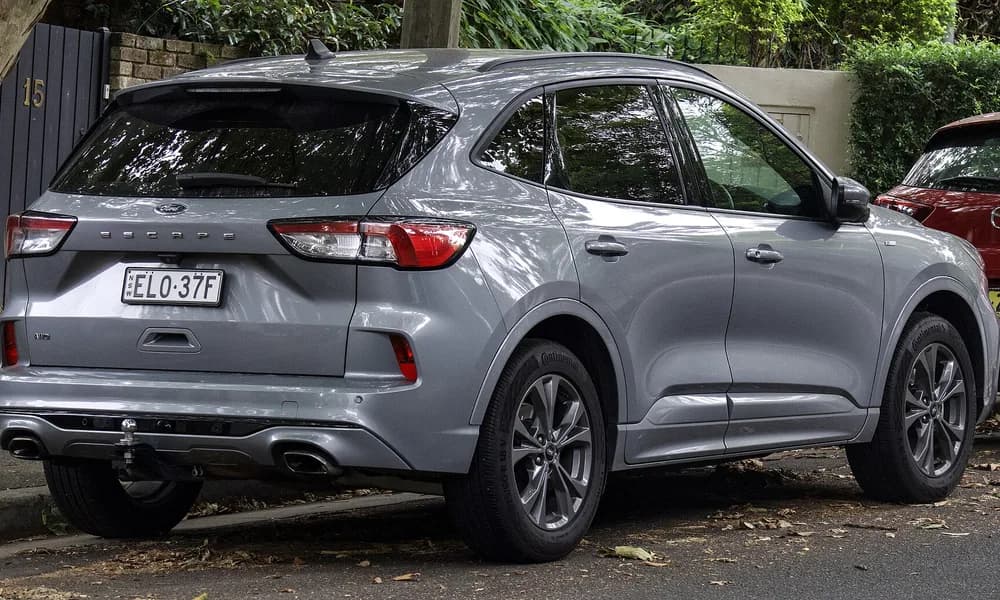
4th generation (CX482) · 2020–2025 · Compact crossover SUV (C2 platform; refreshed for 2023)
2021 Ford Escape parts and specs
Everything you need to own and maintain this exact model year. Verified specifications, part numbers, and the problems that recur, in one place.
Last verified
Quick facts
Specifications for the 2020–2025 Escape
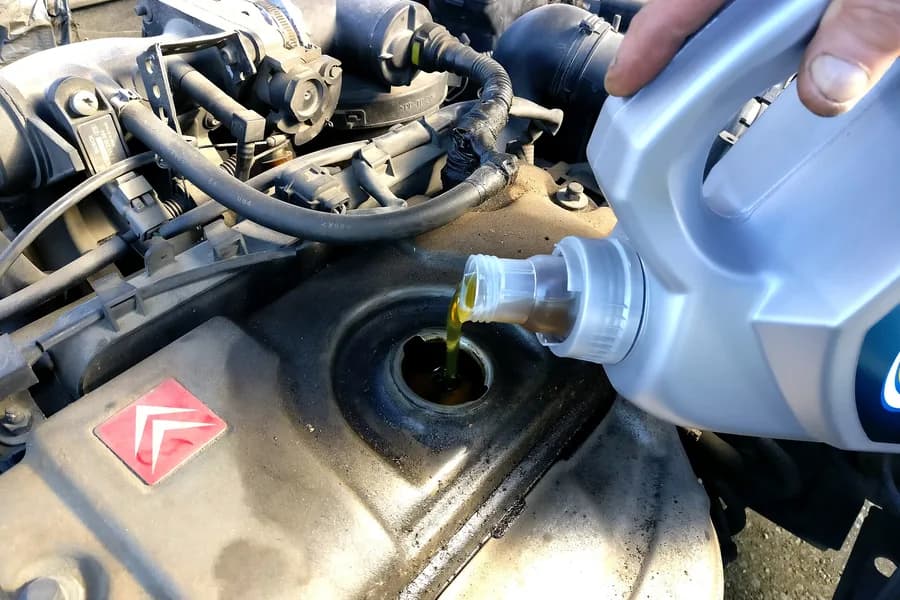
Oil & filter
Viscosity, capacity, filter part numbers, change interval
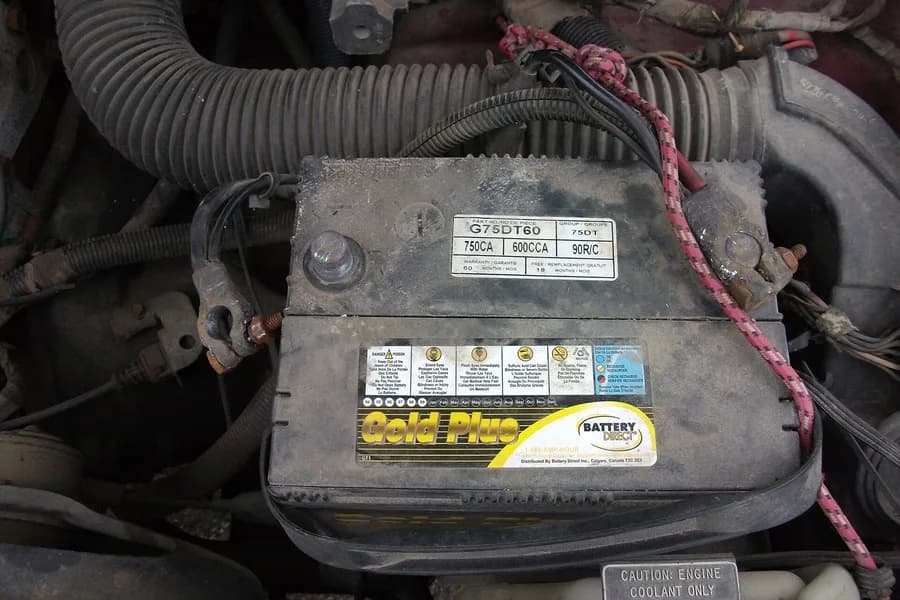
Battery
BCI group size, cold cranking amps, AGM or flooded
Tires & wheels
Factory sizes by trim, pressures, bolt pattern, lug torque
Wiper blades
Driver, passenger and rear blade lengths
Air & cabin filters
Cabin and engine air filter part numbers, locations, intervals
Bulbs
Headlight, fog and marker bulb types
Brakes
Rotor diameters, pad references, service notes
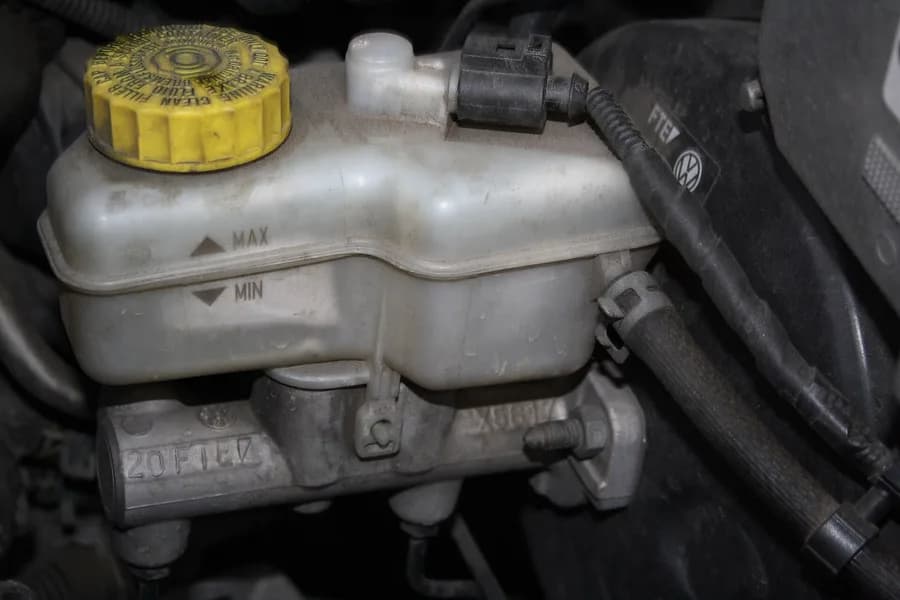
Fluids
Transmission fluid, coolant, brake fluid and capacities
Service schedule
What's actually due at every mileage interval
Problems & reliability
Documented failures, recalls, and which years to avoid
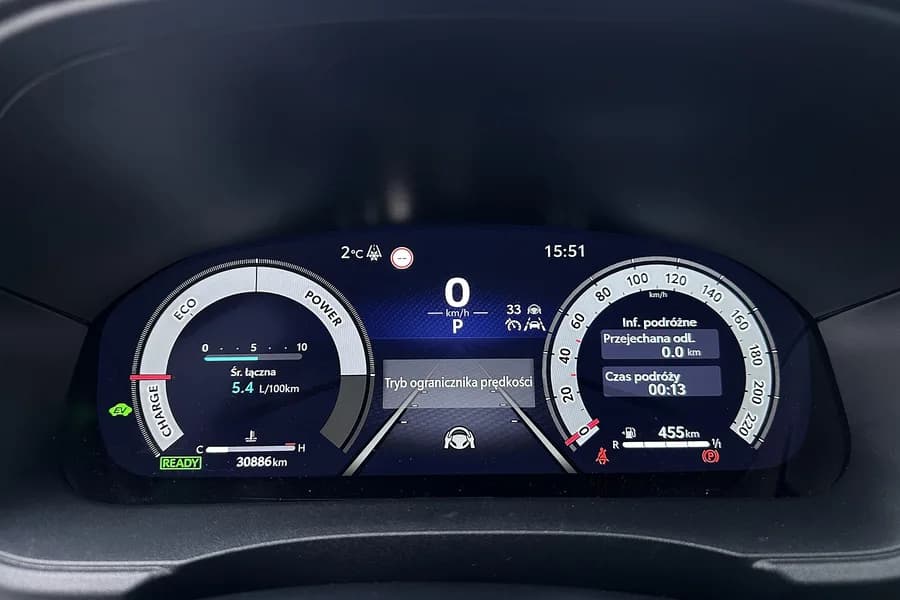
Oil light reset
Step-by-step maintenance light reset, no tools
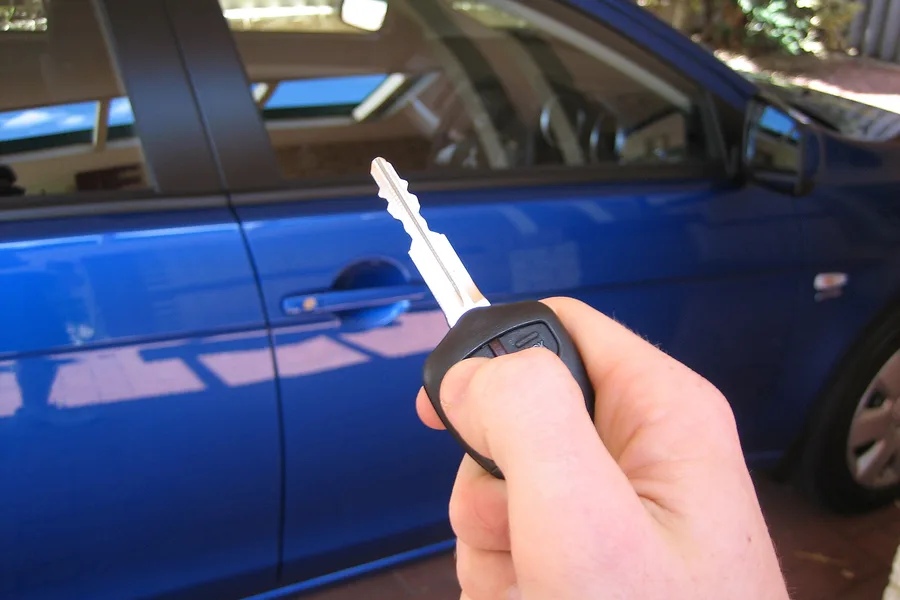
Key fob battery
Which coin cell the remote takes
Specs
Towing, weight, fuel tank, fuel economy
These specifications are shared across every Escape of the 4th generation (CX482) generation. See the 2020–2025 Ford Escape overview for the full picture, or the Ford Escape guide to compare every generation.
What changed for the 2021 Ford Escape
- 2021Plug-in hybrid (PHEV) finally launches in the US after a delay caused by the European Kuga PHEV battery fires
Known problems with the 2021 Ford Escape
5 of the 6 issues we track for the 2020–2025 generation are documented against the 2021 model year, and 5 carry a recall or service bulletin.
1.5L cracked fuel injector, underhood fire risk (recall, twice remedied)
majorNHTSA 22V-859 (Ford 22S73); superseded remedy under NHTSA 25V-467 (Ford 25S76); interim 24V-187Fuel injectors on the 1.5L three-cylinder can crack and leak fuel onto hot engine surfaces at up to 19 L/hour, causing underhood fires. Ford first recalled 2020–2022 Escapes (and 2021–2024 Bronco Sports) in Nov 2022 with a drain tube + detection software fix (22V-859), then re-recalled ~858,000 vehicles in 2025 (25V-467, Ford 25S76) after NHTSA questioned the original remedy, dealers now test and replace cracked injectors. Check your VIN even if the first recall was done.
Typical cost: Free under recall
2.5L hybrid/PHEV engine failure can eject oil, fire risk (recall)
majorNHTSA 23V-380 (Ford 23S27); supplement 25V-345On 2.5L HEV and PHEV models, an engine block or connecting-rod failure can breach the block and spray oil/fuel vapor onto hot components, causing engine-compartment fires. Recall 23V-380 (Ford 23S27) covers 2020–2023 Escape hybrids (with Corsair and Maverick hybrids); the remedy modifies the under-hood shielding and software to detect failure and reduce fire risk. A follow-up (25V-345) re-repaired vehicles fixed incorrectly. A seized hybrid engine still means an engine replacement, usually under powertrain warranty.
Typical cost: Free under recall; engine replacement covered by 8-yr/100k hybrid-component or 5-yr/60k powertrain warranty when applicable
PHEV high-voltage battery internal short (recalls)
majorNHTSA 24V-954; NHTSA 25V-789Escape PHEV packs (same family as the European Kuga PHEV that delayed the US launch) can develop cell anomalies that short internally, causing loss of power or fire risk. Ford recalled 2020–2024 Escape PHEVs under 24V-954 and again under 25V-789 (Nov 2025), remedies include battery diagnostic software and pack module replacement where faults are detected. PHEV owners should keep charging habits normal and get recall software promptly.
Typical cost: Free under recall
8F35 8-speed transmission shudder
moderateFord TSB series on 8F35 shudder (superseded repeatedly, e.g. NHTSA item 11032566); no recallMany 2020+ Escapes (and Bronco Sport/Maverick/Corsair) with the 8F35 exhibit a shudder or vibration under light throttle below ~60 mph with no fault codes. Ford has issued a long series of TSBs, the usual remedy is a fluid exchange with revised Mercon ULV and a TCM recalibration; stubborn cases get a torque converter. Documented in NHTSA manufacturer communications through 2026.
Typical cost: Free under powertrain warranty; $300–$500 fluid/reflash or $1,500–$2,500 converter out of warranty
Engine oil leaks from oil separator / ball plugs, fire risk (recalls)
moderateFord 24S55; December 2025 ball-plug oil-leak recall (2020–2022 + 2025 Escape)Ford has recalled 2020–2022 Escapes (with Bronco Sport) for engine oil leaks: first for cracked oil separator housings on the 1.5L (Ford 24S55), and in Dec 2025 for engine ball plugs that can back out and leak oil, with fire risk in both cases. Symptoms are oil spots, burning-oil smell, or a low-oil warning. Dealers inspect and replace the leaking components free.
Typical cost: Free under recall
1 more issue reported in other 2020–2025 years
- Rear brake pads manufactured incorrectly (recall) and fast rear-pad wear, 2020
Full detail, costs and sources on the Ford Escape problems and years to avoid guide.
Which engines were offered in the 2021 Escape?
| Engine | Trims | Oil | Oil capacity |
|---|---|---|---|
| 1.5L EcoBoost 3-cylinder (Dragon) | S, SE, SEL (2020–2022); Base, Active, ST-Line (2023+); 181 hp (180 hp from 2023) | 5W-20 | 5.3 qt |
| 2.0L EcoBoost turbo | SEL (optional), Titanium (2020–2022); ST-Line Select/Elite, Platinum (2023+); AWD standard | 5W-30 | 5.5 qt |
| 2.5L Hybrid (Atkinson-cycle + eCVT, FHEV) | SE Sport Hybrid, Titanium Hybrid (2020–2022); Active/ST-Line/Platinum hybrid (2023+); 200 hp combined (192 hp from 2023) | 0W-20 | 5.7 qt |
| 2.5L Plug-in Hybrid (PHEV, FWD only) | SE/SEL/Titanium PHEV (2021–2022); PHEV trim (2023+); 210 hp combined (221 hp quoted 2021–22); ~37 mi EV range | 0W-20 | 5.7 qt |
About the Ford Escape
The Ford Escape is Ford's compact SUV, and the 2012–2025 span covers three very different vehicles. 0L V6 with a 6-speed automatic, plus the last Escape Hybrid until 2020. Cheap to run, but watch for 6F35 transmission trouble, electric power steering failures, and rust.
0L from the 2017 facelift). 0L EcoBoosts are all subject to the well-known coolant-intrusion failure that Ford addressed with customer satisfaction programs 19B37 and 21N12. 5L Atkinson-cycle hybrid and plug-in hybrid powertrains.
5L, hybrid engine-failure fire risk, PHEV battery recalls). Across the years the maintenance basics are simple: 5W-20/5W-30 oil with a Motorcraft FL-910S filter on almost every engine, a Group 96R battery through 2019 and a Group 48 (H6) with stop-start afterward, and a CR2032 key-fob battery until the 2020 redesign switched to CR2450.
For how the specifications changed across every generation, see the full Ford Escape guide.
Other Ford Escape years
Sources
- Ford owner's manual, 2020 Escape 1.5L capacities (5.3 qt, Mercon ULV, 8F35)
- AMSOIL lookup, 2020 Escape 2.0L (5W-30) and 2021 2.5L hybrid (0W-20, 5.7 qt)
- Ford, 25S76 cracked fuel injector recall FAQ (2020–2022 Escape)
- NHTSA, Part 573 report, recall 22V-859 (cracked fuel injector)
- NHTSA, consumer alert, 2020–2023 Escape hybrid engine-failure fire recall
- Center for Auto Safety, 2020 Escape recalls/complaints (21V-922, 8F35 shudder TSBs)
- AutoZone, Escape battery groups by year (96R → H6/48 for 2020+)
- Ford Escape forum, 2020 hybrid 12V battery location and Group 48 AGM upgrade
- fueleconomy.gov, 2021 Ford Escape / Hybrid / PHEV EPA ratings
- Mavis / tiresize, 2023 Escape OE tire sizes (225/65R17, 225/55R19)
- WiperBladesUSA, 2020/2021 Escape wiper sizes 24/20/11