3rd generation (C520) · 2013–2019 · Compact crossover SUV (global Ford C platform)
2014 Ford Escape parts and specs
Everything you need to own and maintain this exact model year. Verified specifications, part numbers, and the problems that recur, in one place.
Last verified
Quick facts
Specifications for the 2013–2019 Escape
Oil & filter
Viscosity, capacity, filter part numbers, change interval
Battery
BCI group size, cold cranking amps, AGM or flooded
Tires & wheels
Factory sizes by trim, pressures, bolt pattern, lug torque
Wiper blades
Driver, passenger and rear blade lengths
Air & cabin filters
Cabin and engine air filter part numbers, locations, intervals
Bulbs
Headlight, fog and marker bulb types
Brakes
Rotor diameters, pad references, service notes
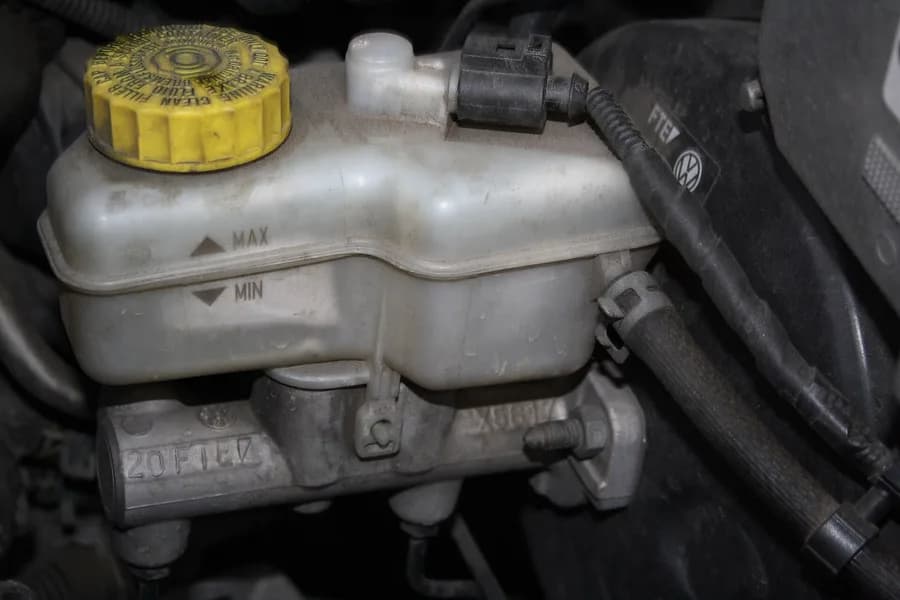
Fluids
Transmission fluid, coolant, brake fluid and capacities
Service schedule
What's actually due at every mileage interval
Problems & reliability
Documented failures, recalls, and which years to avoid
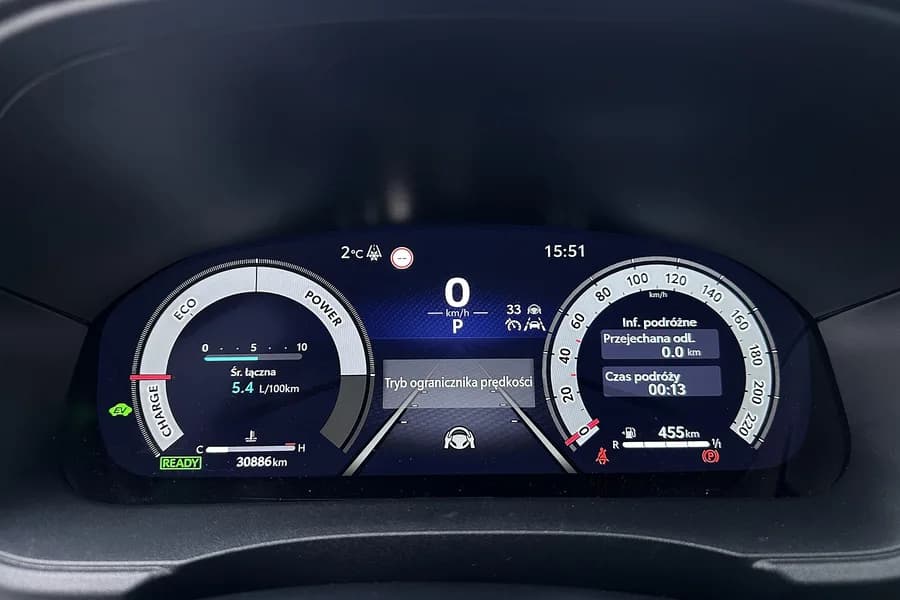
Oil light reset
Step-by-step maintenance light reset, no tools
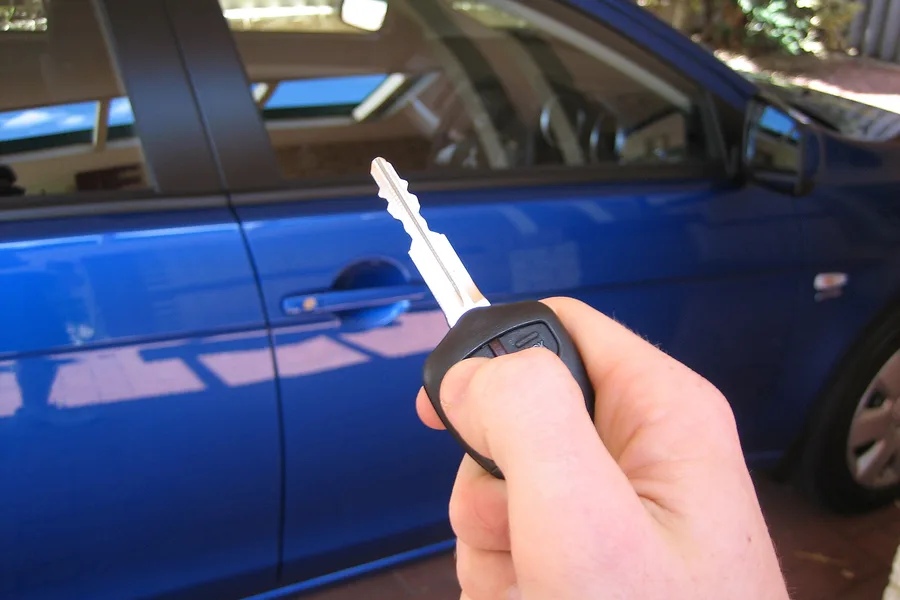
Key fob battery
Which coin cell the remote takes
Specs
Towing, weight, fuel tank, fuel economy
These specifications are shared across every Escape of the 3rd generation (C520) generation. See the 2013–2019 Ford Escape overview for the full picture, or the Ford Escape guide to compare every generation.
Known problems with the 2014 Ford Escape
5 of the 6 issues we track for the 2013–2019 generation are documented against the 2014 model year, and 4 carry a recall or service bulletin.
EcoBoost coolant intrusion into cylinders (1.5L; also reported on 1.6L/2.0L)
majorFord CSP 19B37 (+ supplements) and CSP 21N12; related recalls 13V-478 / 17V-209The 1.5L/1.6L EcoBoost block design lets coolant seep into a cylinder, causing white exhaust smoke on cold start, misfires (often cylinder 2), unexplained coolant loss, and ultimately hydrolock, head-gasket failure, or a cracked block, some cases end in engine fires. Ford extended coverage for 2017–2019 1.5L Escapes under Customer Satisfaction Programs 19B37 and 21N12 (short-block replacement), but 21N12 expired in November 2022 and class actions cover the wider 1.5/1.6/2.0 family. If your coolant level drops with no visible leak, stop driving and get a combustion-gas test.
Typical cost: Free under CSP 19B37/21N12 while active; $4,000–$8,000 for a short block/engine out of pocket
1.6L EcoBoost overheating / cylinder-head cracking fire recalls
majorNHTSA 13V-478; NHTSA 17V-209 (Ford 17S09)Localized cylinder-head overheating on the 1.6L could crack the head and leak oil, causing engine fires, Ford recalled 2013 Escapes in late 2013 (13V-478) to add engine shielding, coolant-level sensing, and software that warns and cuts power when coolant drops. In 2017 the fix was extended to 2014 Escapes as recall 17V-209 (Ford 17S09), installing a coolant level sensor. Both remedies are free; make sure they were done on any used 1.6L car.
Typical cost: Free under recall
Door latch pawl failure, doors won't latch or open while driving (recall)
moderateNHTSA 16V-643 (Ford 16S30)A pawl spring tab in the side-door latches can fracture, leaving a door that won't close or that pops open while driving. Part of Ford's massive door-latch recall; dealers replace all four latches free. A door that needs slamming or bounces back open is the tell.
Typical cost: Free under recall; ~$150–$300/door outside it
6F35 transmission shudder and rough shifting
moderateMultiple Ford shift-quality TSBs (no recall)The carried-over 6F35 6-speed continues to draw complaints for torque-converter shudder around 25–45 mph, clunky low-speed shifts, and occasional valve-body or converter failures at higher mileage. A Mercon LV fluid exchange and TCM reflash resolve many shudder cases; hardware failures are expensive. Ford issued multiple shift-quality TSBs across these years.
Typical cost: $150–$300 fluid service / reflash; $1,800–$3,500 converter or rebuild
MyFord Touch / SYNC freezes and black screens
minor2013–2015 cars with MyFord Touch are notorious for frozen or rebooting touchscreens, lost Bluetooth, and unresponsive climate controls on the screen. Software updates improved it, and the 2016+ SYNC 3 system largely fixed it. Persistent failures need an APIM module or aftermarket head unit.
Typical cost: $0 (update/reset) – $600+ (APIM replacement)
1 more issue reported in other 2013–2019 years
- 1.6L EcoBoost fuel line fire recall (2013), 2013 (1.6L, built Oct 2011–Aug 2012)
Full detail, costs and sources on the Ford Escape problems and years to avoid guide.
Which engines were offered in the 2014 Escape?
| Engine | Trims | Oil | Oil capacity |
|---|---|---|---|
| 2.5L 4-cylinder (Duratec iVCT) | S (all years); fleet SE | 5W-20 | 5.7 qt |
| 1.6L EcoBoost turbo (2013–2016) | SE, SEL (2013), Titanium (2013–2014); optional on SE through 2016 | 5W-20 | 4.3 qt |
| 2.0L EcoBoost turbo (240 hp 2013–2016; 245-hp twin-scroll 2017–2019) | Optional on SE/SEL/Titanium; standard on some Titanium 4WD | 5W-30 | 5.7 qt |
About the Ford Escape
The Ford Escape is Ford's compact SUV, and the 2012–2025 span covers three very different vehicles. 0L V6 with a 6-speed automatic, plus the last Escape Hybrid until 2020. Cheap to run, but watch for 6F35 transmission trouble, electric power steering failures, and rust.
0L from the 2017 facelift). 0L EcoBoosts are all subject to the well-known coolant-intrusion failure that Ford addressed with customer satisfaction programs 19B37 and 21N12. 5L Atkinson-cycle hybrid and plug-in hybrid powertrains.
5L, hybrid engine-failure fire risk, PHEV battery recalls). Across the years the maintenance basics are simple: 5W-20/5W-30 oil with a Motorcraft FL-910S filter on almost every engine, a Group 96R battery through 2019 and a Group 48 (H6) with stop-start afterward, and a CR2032 key-fob battery until the 2020 redesign switched to CR2450.
For how the specifications changed across every generation, see the full Ford Escape guide.
Other Ford Escape years
Sources
- Ford owner's manual, Escape capacities (2.0L EcoBoost: 5.7 qt)
- Ford owner's manual, Escape capacities (2.5L: 5.7 qt / 5.4 L)
- AMSOIL / Ford Escape forum, 1.6L (4.3 qt) and 1.5L (4.3 qt) capacities
- AutoZone, 2013 Escape battery Group 96R, 500+ CCA
- NHTSA, recall 17V-209 (1.6L coolant level sensor, Ford 17S09)
- Green Car Reports, 1.6L EcoBoost Escape recall roundup (12V-551, 13V-478)
- NHTSA / Lieff Cabraser, EcoBoost coolant intrusion + CSP 19B37/21N12
- fueleconomy.gov, 2016 Ford Escape EPA ratings
- 2017 Ford Escape spark plug chart (SP-539/SP-537/SP-530)
- AutoZone, 2014 Escape wipers 28/28/11