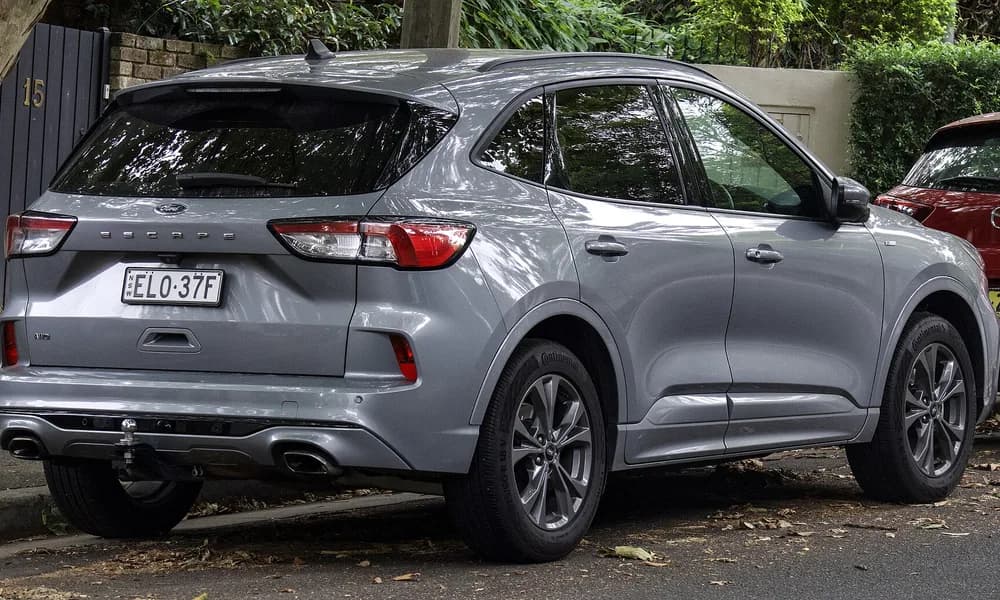
2nd generation (final year) · 2012–2012 · Compact SUV (boxy body style; FWD or 4WD)
2012 Ford Escape parts and specs
Everything you need to own and maintain this exact model year. Verified specifications, part numbers, and the problems that recur, in one place.
Last verified
Quick facts
Specifications for the 2012 Escape
Oil & filter
Viscosity, capacity, filter part numbers, change interval
Battery
BCI group size, cold cranking amps, AGM or flooded
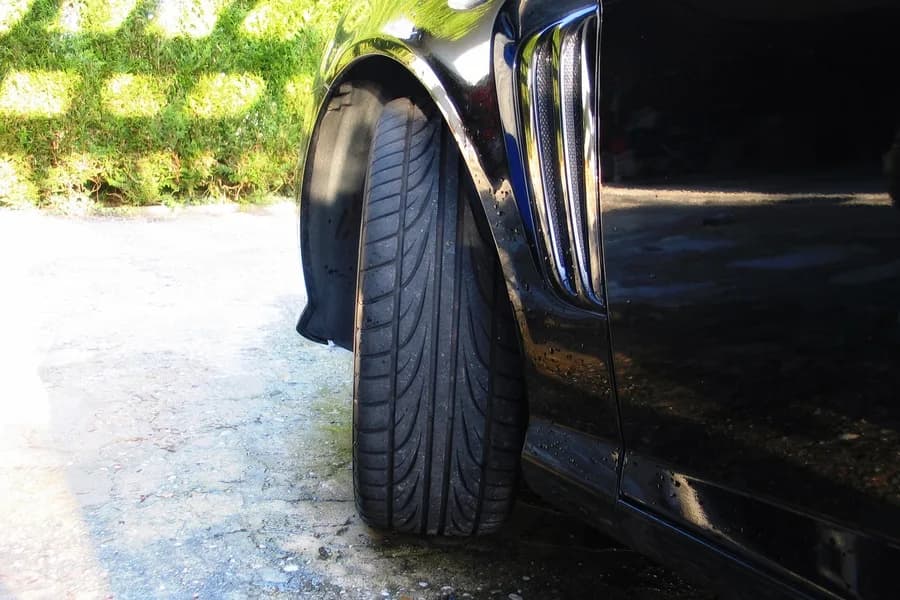
Tires & wheels
Factory sizes by trim, pressures, bolt pattern, lug torque
Wiper blades
Driver, passenger and rear blade lengths
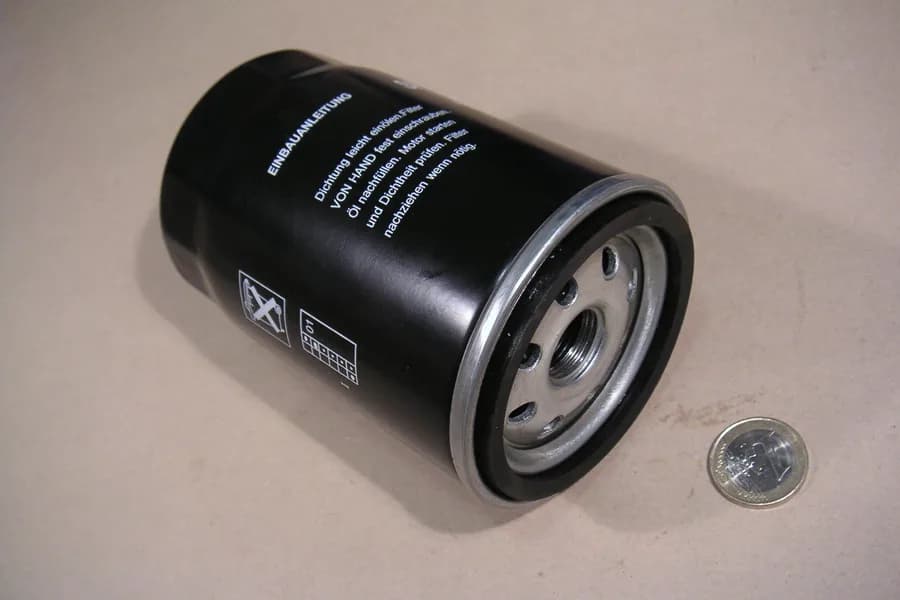
Air & cabin filters
Cabin and engine air filter part numbers, locations, intervals
Bulbs
Headlight, fog and marker bulb types
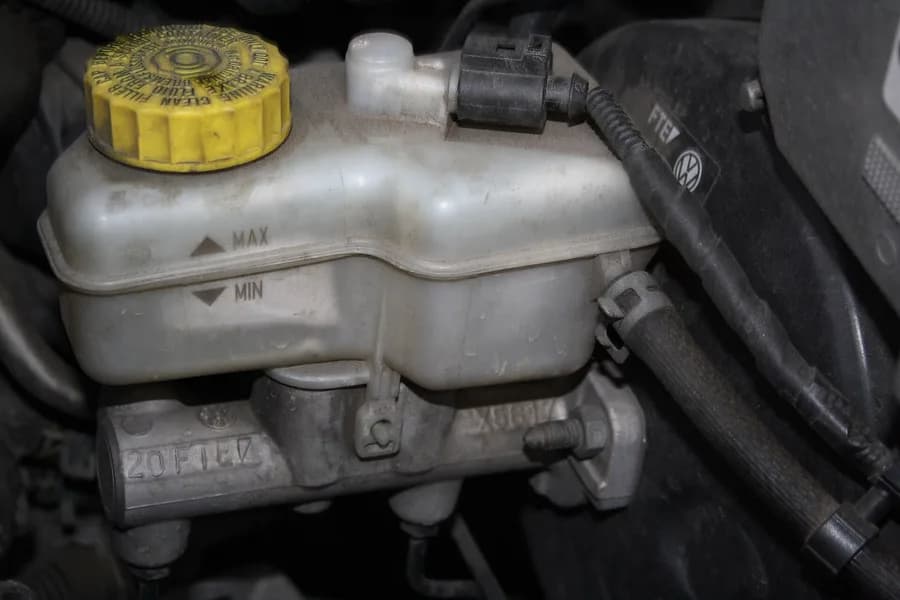
Fluids
Transmission fluid, coolant, brake fluid and capacities
Service schedule
What's actually due at every mileage interval
Problems & reliability
Documented failures, recalls, and which years to avoid
Oil light reset
Step-by-step maintenance light reset, no tools
Key fob battery
Which coin cell the remote takes
Specs
Towing, weight, fuel tank, fuel economy
These specifications are shared across every Escape of the 2nd generation (final year) generation. See the 2012 Ford Escape overview for the full picture, or the Ford Escape guide to compare every generation.
What changed for the 2012 Ford Escape
- 2012Final year of the 2nd generation and of the original Escape Hybrid; replaced by the all-new 2013 model. Mechanically identical to 2010–2011.
Known problems with the 2012 Ford Escape
5 of the 5 issues we track for the 2012–2012 generation are documented against the 2012 model year, and 1 carries a recall or service bulletin.
6F35 automatic transmission shudder and failure
majorThe 6F35 6-speed in 2009–2012 Escapes draws widespread complaints for shudder, harsh 1–2 shifts, and outright failure at higher mileage. Fresh Mercon LV fluid helps shift quality; internal failures (torque converter, valve body) mean a rebuilt or used unit. Test-drive carefully before buying.
Typical cost: $150–$300 fluid service; $2,000–$3,800 for a used/rebuilt transmission
Electric power steering (EPAS) failure, sudden loss of assist
majorNHTSA 14V-284 / Ford 14S05 (2008–2011; 2012 excluded)The EPAS torque sensor can fail, causing sudden loss of power assist, a steering warning light, or self-shaking steering. Ford recalled 2008–2011 Escapes (NHTSA 14V-284, Ford 14S05) but 2012 was not included, and owners report the same failure mode after the recall era. Steering still works without assist but is very heavy.
Typical cost: $600–$1,500 (steering column/EPAS repair out of warranty)
Rust: rear wheel arches, liftgate, and hinges
moderateRust-belt cars commonly rot above the rear wheel arches, on the liftgate, and around the liftgate hinges and release switch (a corroded switch stops the glass/liftgate opening). Inspect the arches from inside the wheel wells; hinge corrosion is a safety item because a hinge can separate.
Typical cost: $50–$150 (liftgate switch) to $1,000+ (body rust repair)
Leaking driver-side transaxle (axle shaft) seal
moderateThe left front axle seal on the 6F35 is a known leaker, fluid drips at the left front and the transmission level drops quietly, which can accelerate transmission wear if ignored. Ford sells a repair kit; catch it early and it is a modest repair.
Typical cost: $350–$620
HVAC blend door actuator clicking / stuck temperature
minorA clicking or knocking from behind the dash and air stuck on hot or cold is the classic failed blend-door actuator. The part is cheap; access determines labor. Harmless but annoying.
Typical cost: $50 DIY part; $150–$350 shop repair
Full detail, costs and sources on the Ford Escape problems and years to avoid guide.
Which engines were offered in the 2012 Escape?
| Engine | Trims | Oil | Oil capacity |
|---|---|---|---|
| 2.5L 4-cylinder (Duratec 25) | XLS, XLT, Limited (I4) | 5W-20 | 5.3 qt |
| 3.0L V6 (Duratec 30, flex-fuel) | XLT, Limited (V6) | 5W-20 | 6 qt |
| 2.5L Hybrid (Atkinson-cycle I4 + eCVT) | Hybrid, Hybrid Limited (FWD or 4WD) | 5W-20 | 5.3 qt |
About the Ford Escape
The Ford Escape is Ford's compact SUV, and the 2012–2025 span covers three very different vehicles. 0L V6 with a 6-speed automatic, plus the last Escape Hybrid until 2020. Cheap to run, but watch for 6F35 transmission trouble, electric power steering failures, and rust.
0L from the 2017 facelift). 0L EcoBoosts are all subject to the well-known coolant-intrusion failure that Ford addressed with customer satisfaction programs 19B37 and 21N12. 5L Atkinson-cycle hybrid and plug-in hybrid powertrains.
5L, hybrid engine-failure fire risk, PHEV battery recalls). Across the years the maintenance basics are simple: 5W-20/5W-30 oil with a Motorcraft FL-910S filter on almost every engine, a Group 96R battery through 2019 and a Group 48 (H6) with stop-start afterward, and a CR2032 key-fob battery until the 2020 redesign switched to CR2450.
For how the specifications changed across every generation, see the full Ford Escape guide.
Other Ford Escape years
Sources
- AMSOIL lookup, 2012 Escape 2.5L capacities/torques
- AMSOIL lookup, 2012 Escape 3.0L V6 (6 qt, 5W-20)
- AutoZone, 2012 Escape battery (Group 96R) and wiper fitment
- fueleconomy.gov, 2012 Ford Escape / Escape Hybrid EPA ratings
- Samarins, 2008–2012 Ford Escape common problems review
- Car and Driver, 2012 Escape XLS specs (fuel tank, curb weight)
- XenonPro, 2008–2012 Escape bulb size chart (H13, 5202)