
XV50 (7th generation) · 2012–2017 · Mid-size sedan
2013 Toyota Camry parts and specs
Everything you need to own and maintain this exact model year. Verified specifications, part numbers, and the problems that recur, in one place.
Last verified
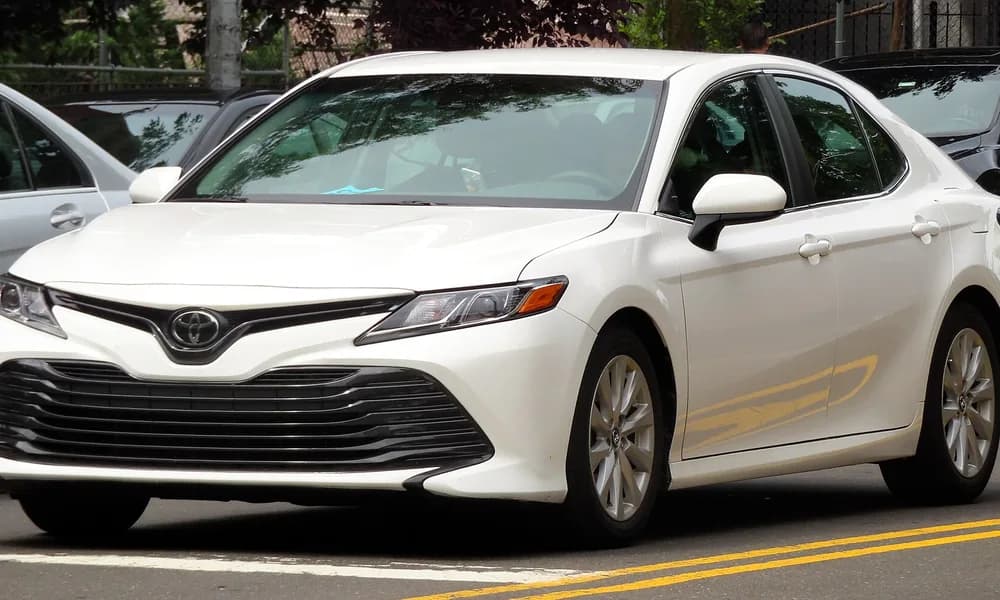
Quick facts
Specifications for the 2012–2017 Camry
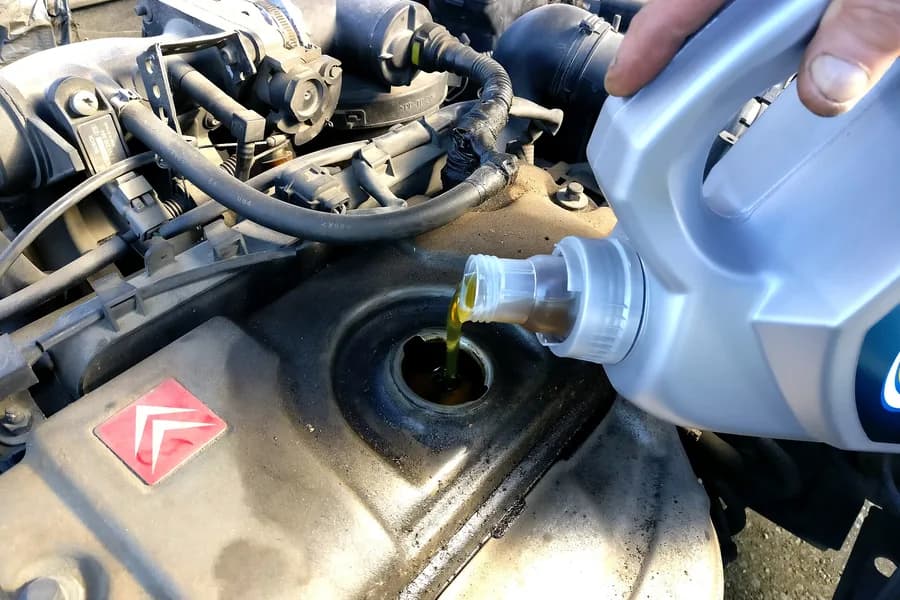
Oil & filter
Viscosity, capacity, filter part numbers, change interval
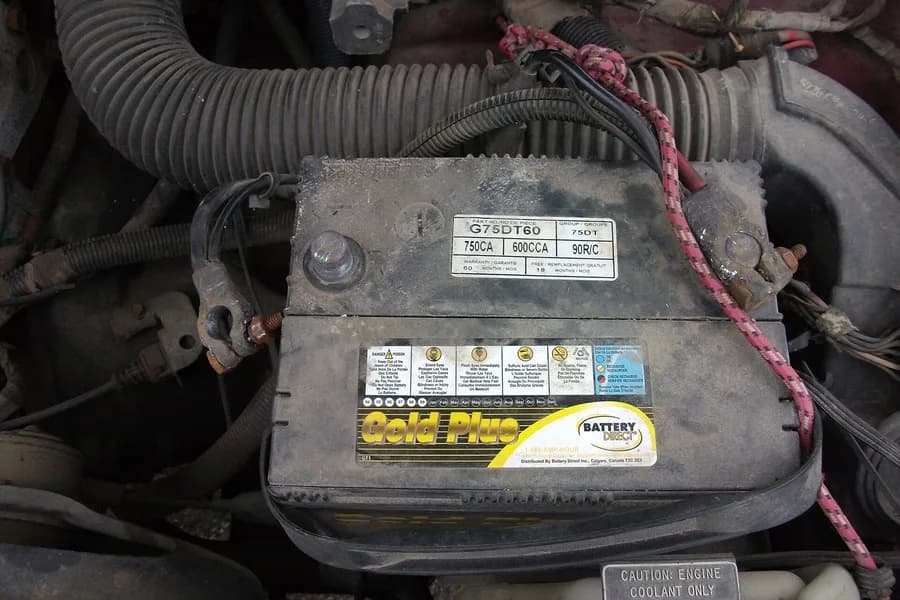
Battery
BCI group size, cold cranking amps, AGM or flooded
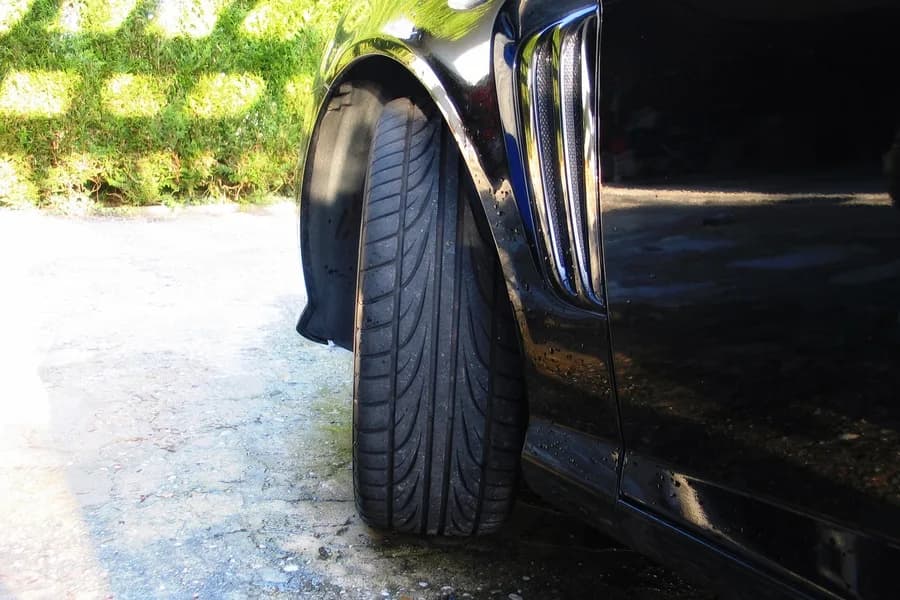
Tires & wheels
Factory sizes by trim, pressures, bolt pattern, lug torque
Wiper blades
Driver, passenger and rear blade lengths
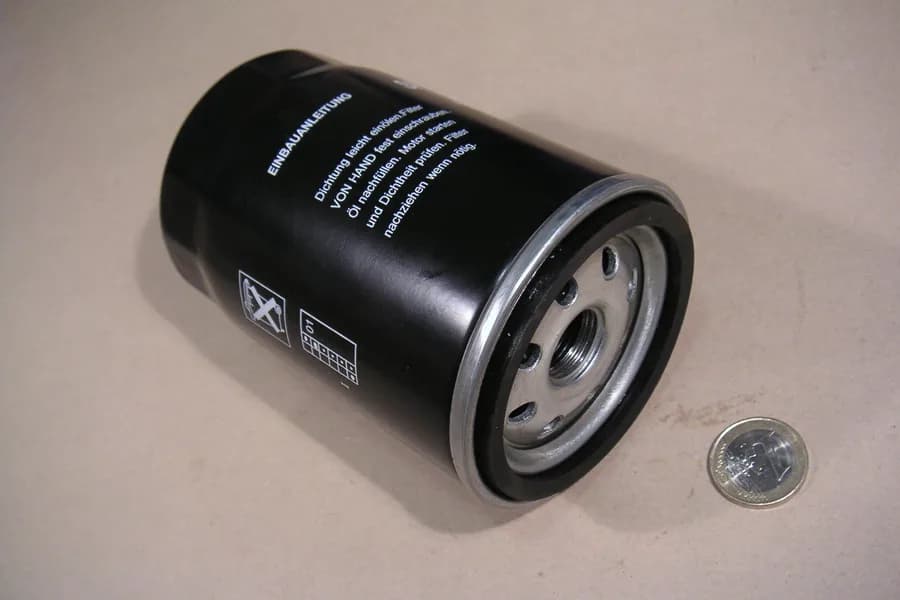
Air & cabin filters
Cabin and engine air filter part numbers, locations, intervals
Bulbs
Headlight, fog and marker bulb types
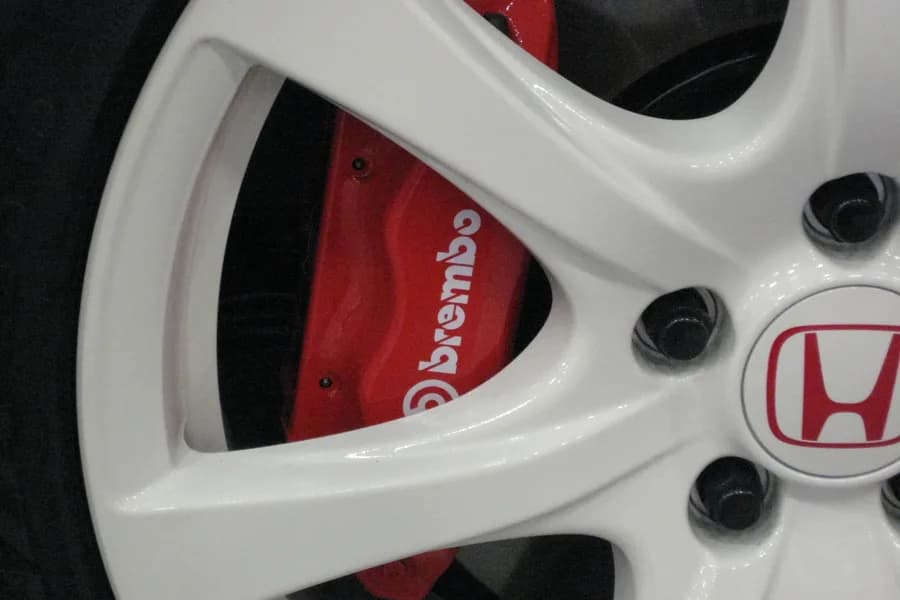
Brakes
Rotor diameters, pad references, service notes
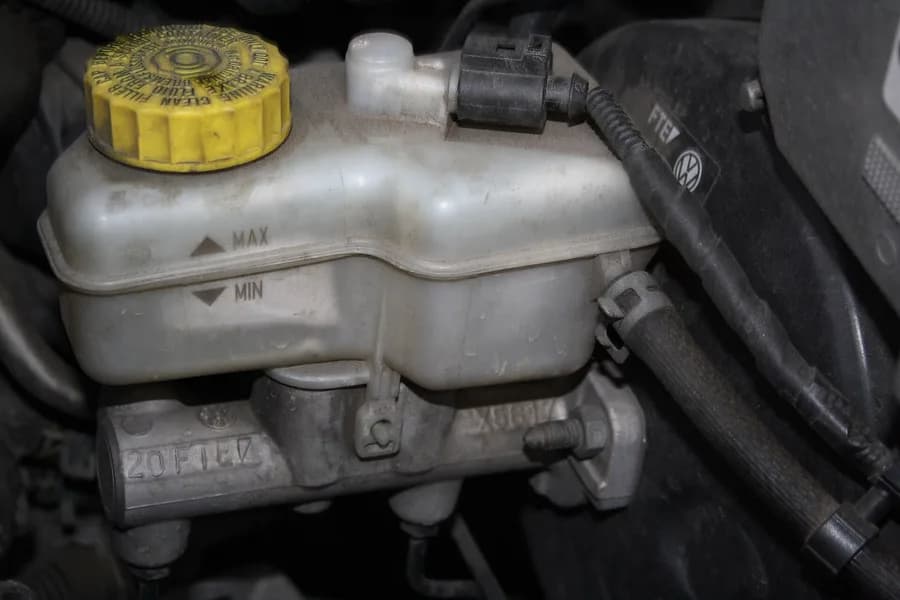
Fluids
Transmission fluid, coolant, brake fluid and capacities

Service schedule
What's actually due at every mileage interval
Problems & reliability
Documented failures, recalls, and which years to avoid
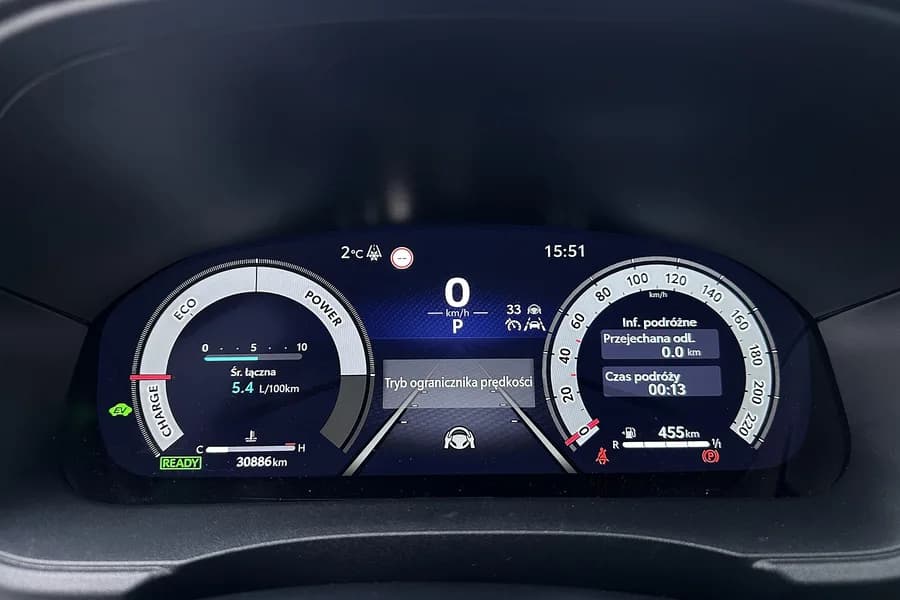
Oil light reset
Step-by-step maintenance light reset, no tools
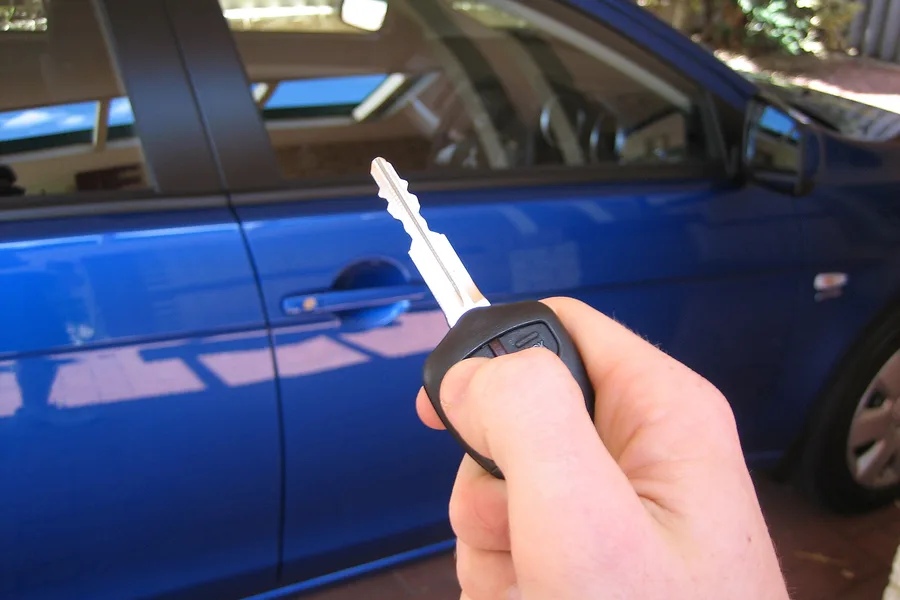
Key fob battery
Which coin cell the remote takes
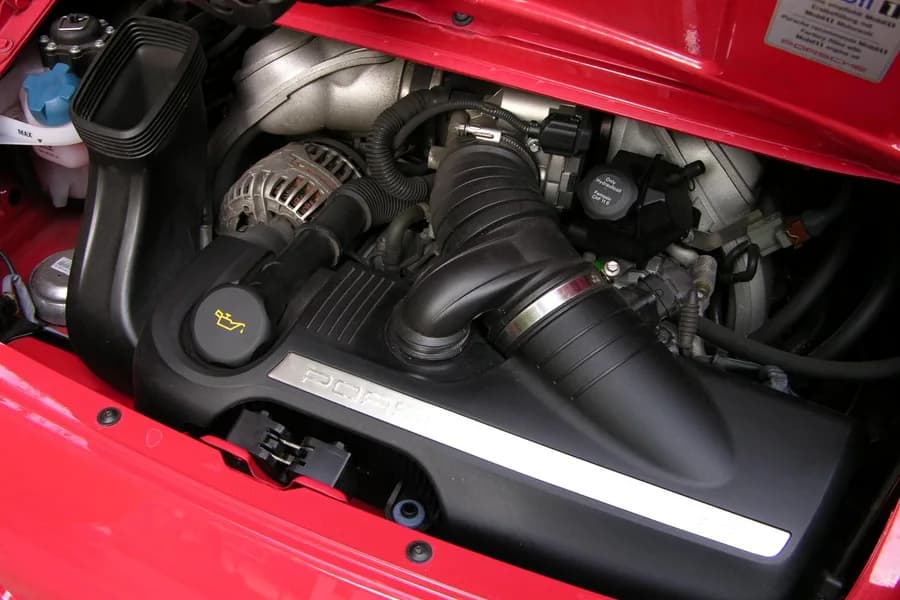
Specs
Towing, weight, fuel tank, fuel economy
These specifications are shared across every Camry of the XV50 (7th generation) generation. See the 2012–2017 Toyota Camry overview for the full picture, or the Toyota Camry guide to compare every generation.
Known problems with the 2013 Toyota Camry
5 of the 5 issues we track for the 2012–2017 generation are documented against the 2013 model year, and 2 carry a recall or service bulletin.
Torque converter shudder (6-speed automatic)
moderateTSB T-SB-0034-14 / T-SB-0312-17; CSP ZE52012–2014 cars with the U760E 6-speed can shudder briefly under light throttle between roughly 25 and 50 mph. Toyota traced it to torque converter lock-up behavior plus ECM logic, issued TSB T-SB-0034-14 (superseded by T-SB-0312-17) and Customer Support Program ZE5: reflash the ECM first, replace the torque converter if the shudder persists.
Typical cost: Free under CSP ZE5 / powertrain warranty; $1,500–$2,500 for a torque converter out of warranty
Hybrid brake actuator / booster pump failure
majorToyota customer support programs (e.g. ZJB/ZKK) covered certain VINsOn Camry Hybrids the brake booster/actuator assembly can develop an internal leak, throwing code C1256 (accumulator low pressure) with ABS/VSC/brake warning lights and a groaning pump. Toyota ran customer support programs covering some vehicles; the fix is a new booster and pump assembly. It is the most expensive common failure on this generation.
Typical cost: $2,200–$3,500 at a dealer
2AR-FE oil consumption (early cars)
moderateA subset of early 2AR-FE engines burn oil faster than the 1-quart-per-1,200-mile threshold Toyota considers acceptable, usually blamed on piston rings/PCV. It is far less widespread than the notorious 2AZ-FE issue in 2007–2011 Camrys, but owner reports and warranty-extension claims exist. Check the dipstick between changes; a piston-ring job is the worst-case fix.
Typical cost: $0 (top-offs) to $2,500–$4,500 for ring replacement out of warranty
2AR-FE water pump coolant seep
moderateThe mechanical water pump on the 2.5L can weep coolant from its seal, leaving pink crust or a slow drip at the front of the engine. Failures are gradual. Watch the reservoir level. Replacement is a straightforward bolt-on job.
Typical cost: $300–$650 parts and labor
Entune infotainment freezes and Bluetooth dropouts
minorFirst-generation Entune head units are slow, occasionally freeze, and drop Bluetooth pairings. Software updates and head-unit resets help; some owners swap in aftermarket units. Annoying but harmless.
Typical cost: $0 (reset/update) – $400+ (aftermarket head unit)
Full detail, costs and sources on the Toyota Camry problems and years to avoid guide.
Which engines were offered in the 2013 Camry?
| Engine | Trims | Oil | Oil capacity |
|---|---|---|---|
| 2.5L 4-cylinder (2AR-FE) | L, LE, SE, XLE (4-cyl) | 0W-20 | 4.6 qt |
| 3.5L V6 (2GR-FE) | SE V6, XLE V6 | 0W-20 | 6.4 qt |
| 2.5L Hybrid (2AR-FXE, Camry Hybrid AVV50) | Hybrid LE, Hybrid XLE (2015+: Hybrid SE) | 0W-20 | 4.6 qt |
About the Toyota Camry
The Toyota Camry is America's perennial best-selling midsize sedan, and the 2012–2025 span covers three very different cars that share one reputation for low running costs. 5L V6 with a conventional 6-speed automatic, 0W-20 oil, and cheap, plentiful parts. Its main documented weak spots are a torque-converter shudder on early 6-speeds and brake-actuator failures on hybrids.
5L (0W-16 oil), an 8-speed automatic, LED headlights on every trim, and a long recall list early on (Denso fuel pump, brake vacuum pump) that Toyota fixed for free. 5L hybrid, FWD or AWD, rated around 44–53 mpg. 3, lug torque stays 76 ft-lbs, the key fob takes a CR2032, and hybrids hide a separate small 12V battery apart from the high-voltage pack, usually in the trunk.
Maintenance is simple and interval-driven: 10,000-mile synthetic oil changes, 30,000-mile air and cabin filters, coolant at 100k then every 50k, and iridium spark plugs at 120k.
For how the specifications changed across every generation, see the full Toyota Camry guide.
Other Toyota Camry years
Sources
- Toyota technical data, Camry XV50 fluids & capacities (toyota-club.net)
- Toyota parts catalog, 04152-YZZA1 oil filter element (parts.toyota.com)
- NHTSA TSB library, T-SB-0034-14 torque converter shudder
- TirePressure.org, 2012 Toyota Camry placard pressures
- Toyota Genuine Spark Plug application chart (toyotapartsandservice.com)
- fueleconomy.gov, 2012 Camry / Camry Hybrid EPA ratings
- Toyota USA Newsroom, 2015 Camry redesign