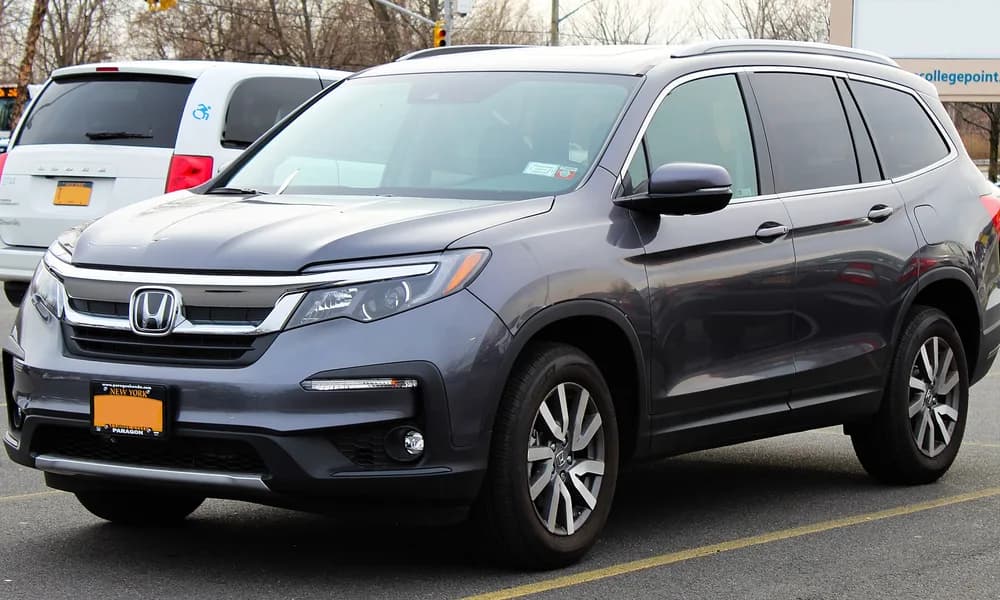
2nd generation (YF3/YF4) · 2012–2015 · 3-row mid-size SUV (FWD or VTM-4 4WD)
2015 Honda Pilot parts and specs
Everything you need to own and maintain this exact model year. Verified specifications, part numbers, and the problems that recur, in one place.
Last verified
Quick facts
Specifications for the 2012–2015 Pilot
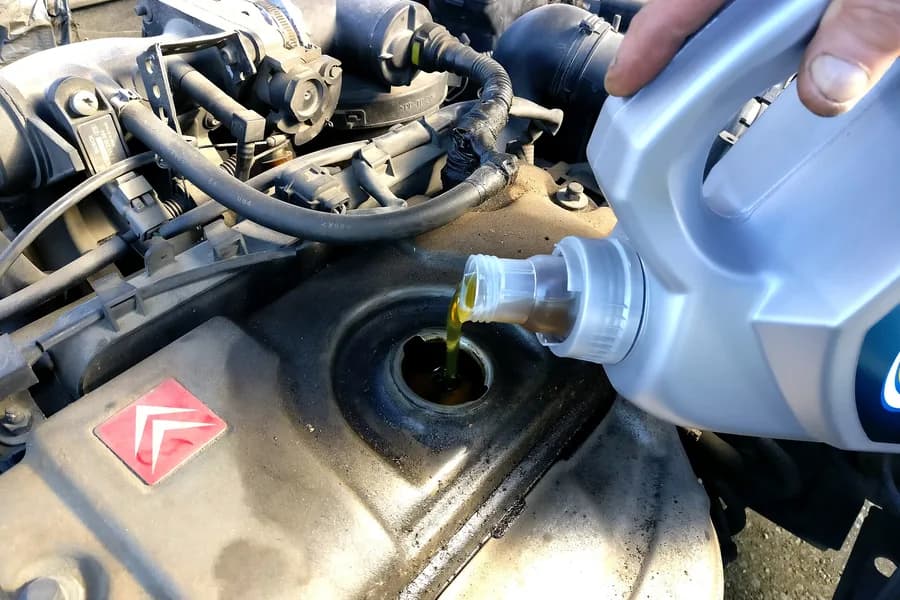
Oil & filter
Viscosity, capacity, filter part numbers, change interval
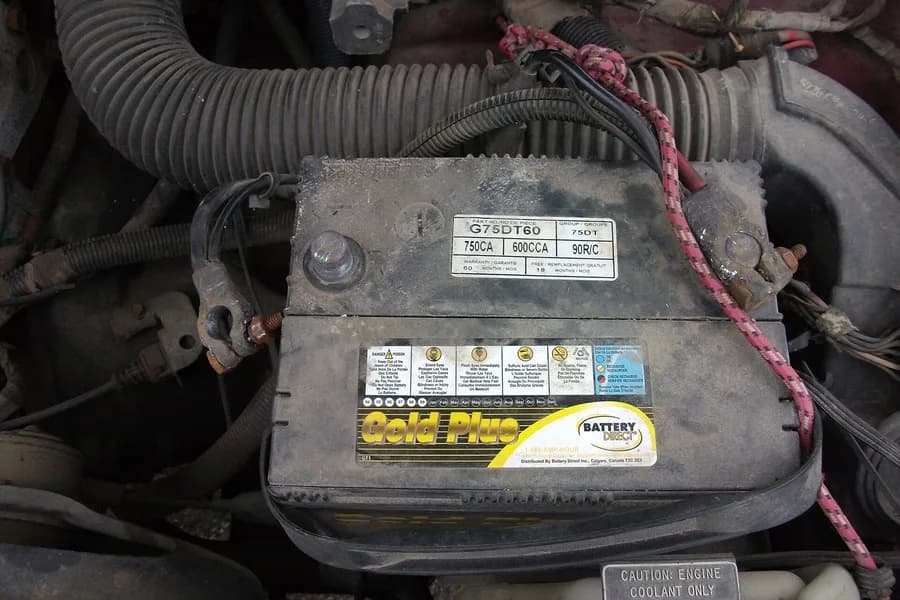
Battery
BCI group size, cold cranking amps, AGM or flooded
Tires & wheels
Factory sizes by trim, pressures, bolt pattern, lug torque
Wiper blades
Driver, passenger and rear blade lengths
Air & cabin filters
Cabin and engine air filter part numbers, locations, intervals
Bulbs
Headlight, fog and marker bulb types
Brakes
Rotor diameters, pad references, service notes
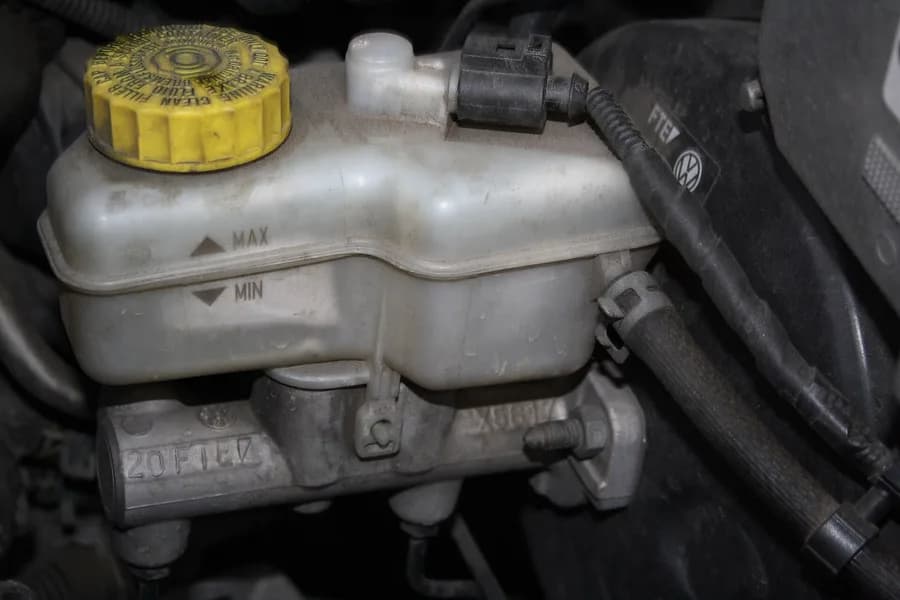
Fluids
Transmission fluid, coolant, brake fluid and capacities

Service schedule
What's actually due at every mileage interval
Problems & reliability
Documented failures, recalls, and which years to avoid
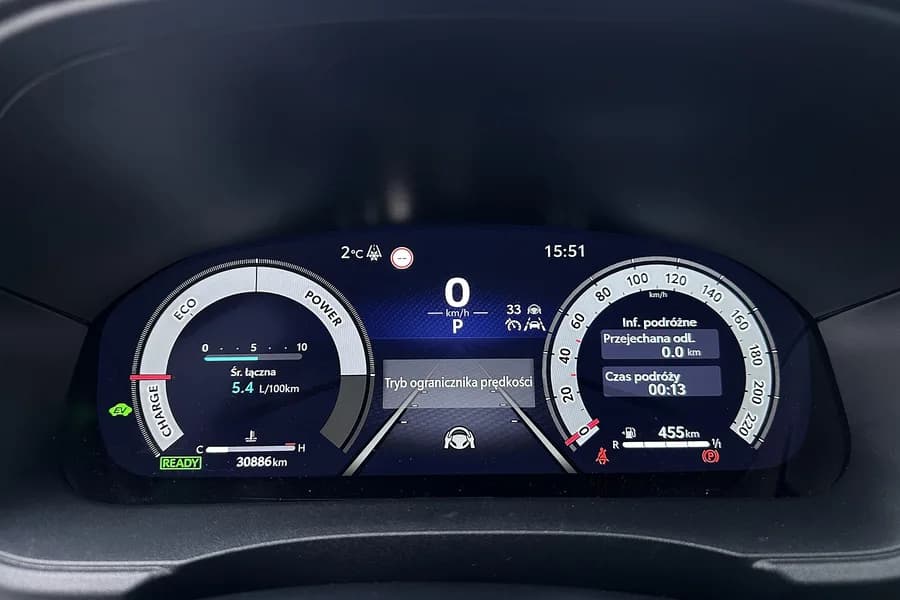
Oil light reset
Step-by-step maintenance light reset, no tools
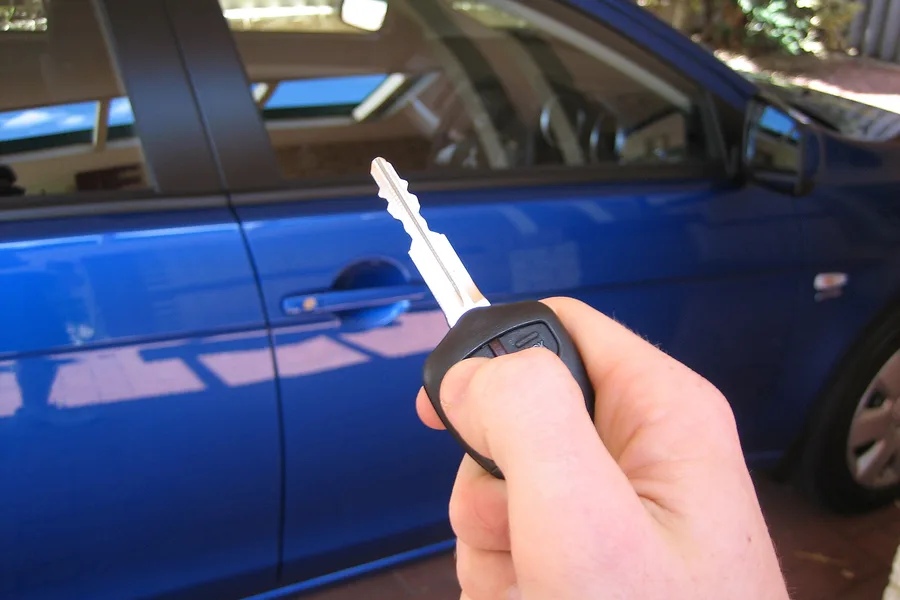
Key fob battery
Which coin cell the remote takes
Specs
Towing, weight, fuel tank, fuel economy
These specifications are shared across every Pilot of the 2nd generation (YF3/YF4) generation. See the 2012–2015 Honda Pilot overview for the full picture, or the Honda Pilot guide to compare every generation.
What changed for the 2015 Honda Pilot
- 2015Final year of the 2nd generation before the all-new 2016 redesign
Known problems with the 2015 Honda Pilot
4 of the 4 issues we track for the 2012–2015 generation are documented against the 2015 model year, and 2 carry a recall or service bulletin.
VCM oil consumption, piston-ring wear, and spark-plug fouling / misfires
majorClass-action settlement extending powertrain warranty to 8 yr/unlimited mi (2009–2013 models); separate 2025 piston-ring warranty extension to 10 yr/150k mi (2013–2017 Pilot/Odyssey VCM engines)The J35Z4's Variable Cylinder Management deactivates three cylinders under light load to save fuel, but in practice it causes excess oil consumption and, on many engines, accelerated piston-ring wear. Oil gets past the rings, fouls spark plugs, and triggers misfire codes (commonly P0301/P0303/P0305 on the deactivated bank). Honda settled a class-action lawsuit (Bost et al. v. American Honda) that extended the powertrain warranty to 8 years/unlimited miles for 2009–2013 Pilots with the VCM V6, and in 2025 Honda separately extended a piston-ring-specific warranty to 10 years/150,000 miles for 2013–2017 Pilot and Odyssey VCM engines. If oil consumption or fouling shows up out of warranty, the only permanent fixes are new piston rings (engine-out job) or a VCM-disable tune, which trades some fuel economy for reliability.
Typical cost: $150–$400 to clean/replace fouled plugs; $3,000–$6,000 for piston-ring work if out of warranty
Takata airbag inflator recall
majorNHTSA Takata recall program (Honda campaign 18V-661 and earlier/later phases, VIN lookup required for your specific phase)Like most Honda products of this era, 2012–2015 Pilots are covered by the industry-wide Takata airbag inflator recall: the ammonium-nitrate propellant can degrade over time and heat/humidity cycles, causing the inflator to rupture and send metal fragments into the cabin during deployment. Honda has run multiple recall phases since 2014 as replacement parts became available; check your VIN on NHTSA.gov, as unrepaired vehicles remain in the field. Repair (inflator/airbag module replacement) is free at any Honda dealer.
Typical cost: Free under recall
Front lower control arm compliance bushing wear
minorOwners and independent shops report the front lower control arm's compliance (rear) bushing wearing out and going soft well before other suspension components, producing clunks over bumps and vague steering feel. It's a known wear item on this platform rather than a defect, and most shops replace the whole control arm assembly rather than pressing in a new bushing.
Typical cost: $150–$350 per side (control arm assembly, labor included)
Warped front brake rotors / pedal vibration
minorA frequently reported owner complaint is a vibration felt through the brake pedal or steering wheel under braking, traced to warped or out-of-spec front rotors, often from overheating during towing or aggressive stop-and-go driving, or simply undersized rotors for the vehicle's weight. Resurfacing rarely lasts; most owners end up replacing rotors and pads together.
Typical cost: $200–$450 (front pads and rotors)
Full detail, costs and sources on the Honda Pilot problems and years to avoid guide.
Which engines were offered in the 2015 Pilot?
| Engine | Trims | Oil | Oil capacity |
|---|---|---|---|
| 3.5L V6 (J35Z4, SOHC i-VTEC, VCM cylinder deactivation) | All trims 2012–2015; 5-speed automatic | 0W-20 | 4.5 qt |
About the Honda Pilot
5L V6 across every model year in this file. The 2nd generation (2009–2015, covered here from 2012) uses the port-injected J35Z4 with i-VTEC and Variable Cylinder Management (VCM) cylinder deactivation and a 5-speed automatic, VCM's oil-consumption and piston-ring wear problems became infamous enough that Honda settled a class action extending powertrain warranty coverage, and the same engine family fouls spark plugs and throws misfire codes when it happens. The 3rd generation (2016–2022) jumped to 280 hp with the J35Y6, split between a conventional 6-speed automatic (LX, EX) and a ZF-sourced 9-speed automatic (EX-L, Touring, Elite) that earned a reputation for harsh shifting and torque-converter judder addressed by several Honda TSBs, plus a 2026 recall for rear subframe corrosion and two separate fuel-pump recall campaigns.
The 4th generation (2023–2025) switched to the non-VTEC, DOHC J35Y8 (285 hp) mated to a new 10-speed automatic, added the off-road TrailSport trim, and introduced its own headaches, infotainment freezes and a 2025 brake-pedal-pivot-pin recall. Across the range: 0W-20 full synthetic oil, the same 15400-PLM-A02 spin-on filter, a 94 ft-lb lug torque (higher than most Honda cars), and Honda's Maintenance Minder governing service timing instead of a fixed mileage chart. Towing tops out at 5,000 lbs on AWD/i-VTM4 trims, the Pilot's main draw as a family tow vehicle, versus 3,500 lbs on FWD.
For how the specifications changed across every generation, see the full Honda Pilot guide.
Other Honda Pilot years
Sources
- pilotsuv.com, Honda Pilot oil capacity by generation (4.5 qt, 2012–2015)
- Honda News, 2012 Honda Pilot Specifications and Features (250 hp, fuel tank, MPG)
- Edmunds, Used 2012 Honda Pilot Specs & Features (curb weight, fuel capacity, MPG)
- Muller Honda, Honda Pilot towing capacity by year (2012–2015: 2,000/4,500 lbs)
- jdmwestside.com, 2009–2014 Honda Pilot J35A/J35Z4 VCM engine
- College Hills Honda, 17220-RN0-A00 engine air filter (2012–2014 Pilot)
- HondaPartsNow. 80292-SDA-407 cabin filter fits 2009–2022 Pilot
- WiperBladesUSA, 2012 Honda Pilot wiper size chart (22/21/14 in)
- eBay/PHILTOP listings, 2009–2015 Honda Pilot front rotor 329.8 mm (12.98 in)
- Piloteers.org, Honda settles class-action lawsuit, extends powertrain warranty (VCM)
- YouTube, Honda VCM Warranty Extended 10 years/150,000 miles (2013–2017 Pilot/Odyssey)
- Honda News, Takata Airbag Inflator Recall Fact Sheet (2003–2015 Pilot)
- Consumer Reports, Honda expands Takata airbag recall (NHTSA campaign 18V661)
- Piloteers.org, 2009–2015 Pilot reliability after 150k (control arm bushings, VCM)
- RepairPal, 2015 Honda Pilot problems and complaints (warped rotors)