
3rd generation (YF5/YF6) · 2016–2022 · 3-row mid-size SUV (FWD or i-VTM4 AWD)
2020 Honda Pilot parts and specs
Everything you need to own and maintain this exact model year. Verified specifications, part numbers, and the problems that recur, in one place.
Last verified
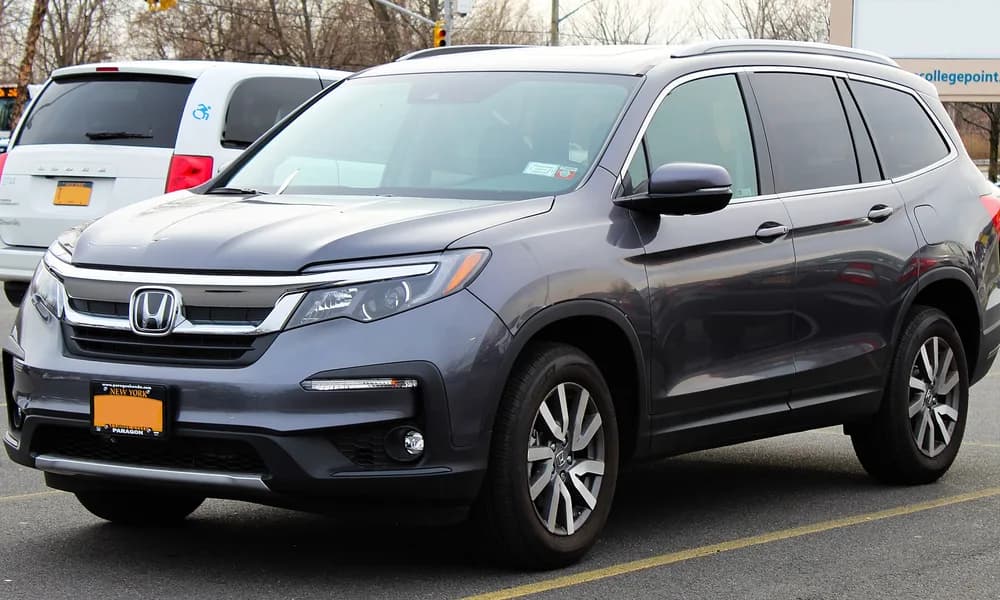
Quick facts
Specifications for the 2016–2022 Pilot
Oil & filter
Viscosity, capacity, filter part numbers, change interval
Battery
BCI group size, cold cranking amps, AGM or flooded
Tires & wheels
Factory sizes by trim, pressures, bolt pattern, lug torque
Wiper blades
Driver, passenger and rear blade lengths
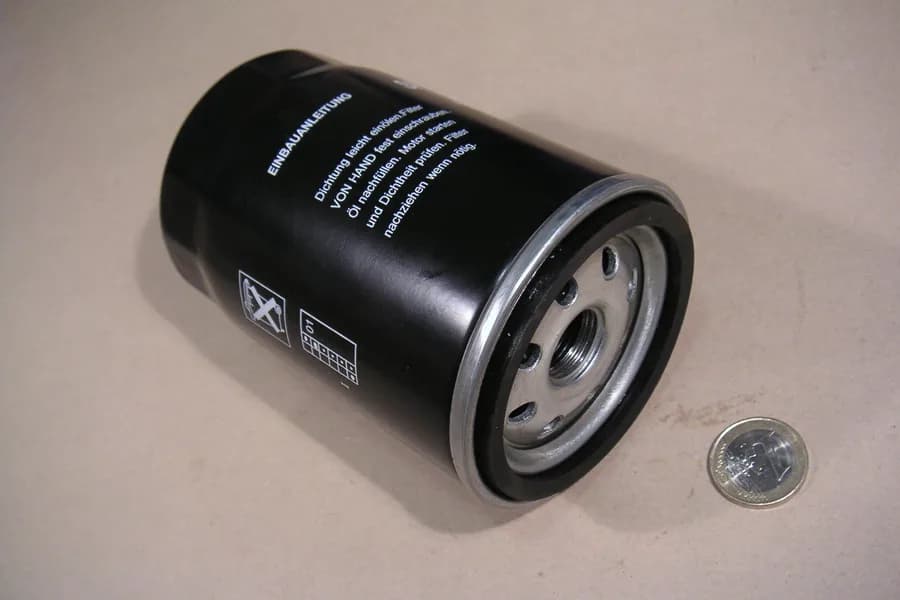
Air & cabin filters
Cabin and engine air filter part numbers, locations, intervals
Bulbs
Headlight, fog and marker bulb types
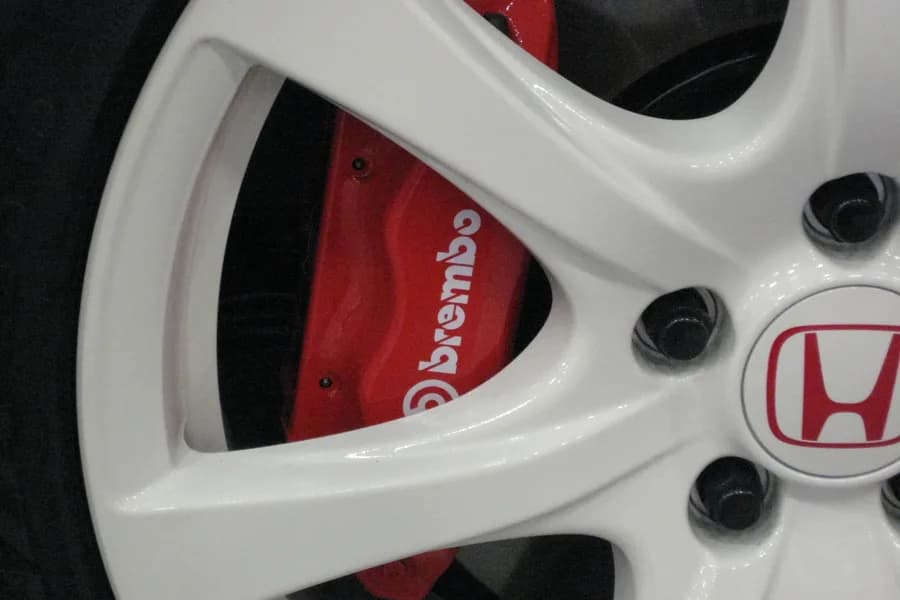
Brakes
Rotor diameters, pad references, service notes
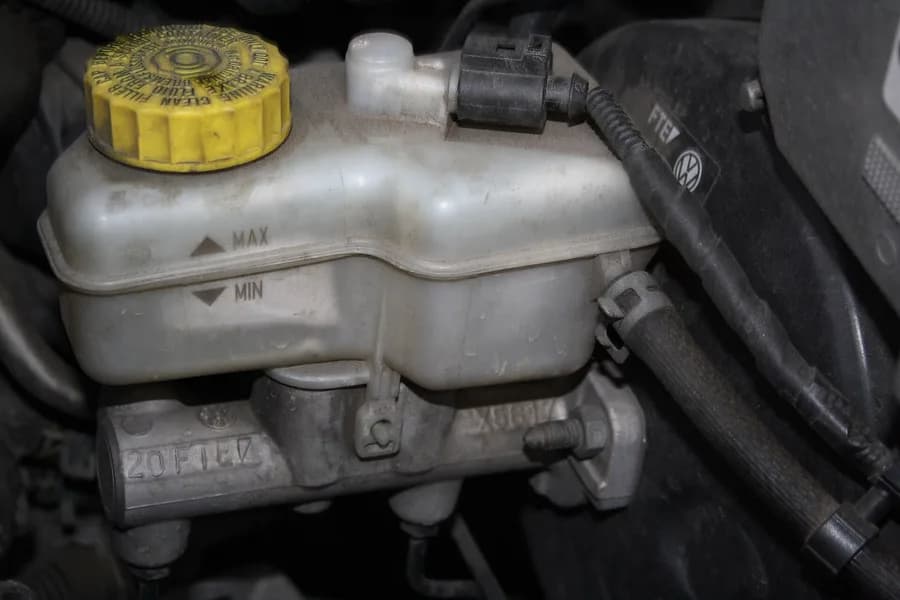
Fluids
Transmission fluid, coolant, brake fluid and capacities

Service schedule
What's actually due at every mileage interval
Problems & reliability
Documented failures, recalls, and which years to avoid
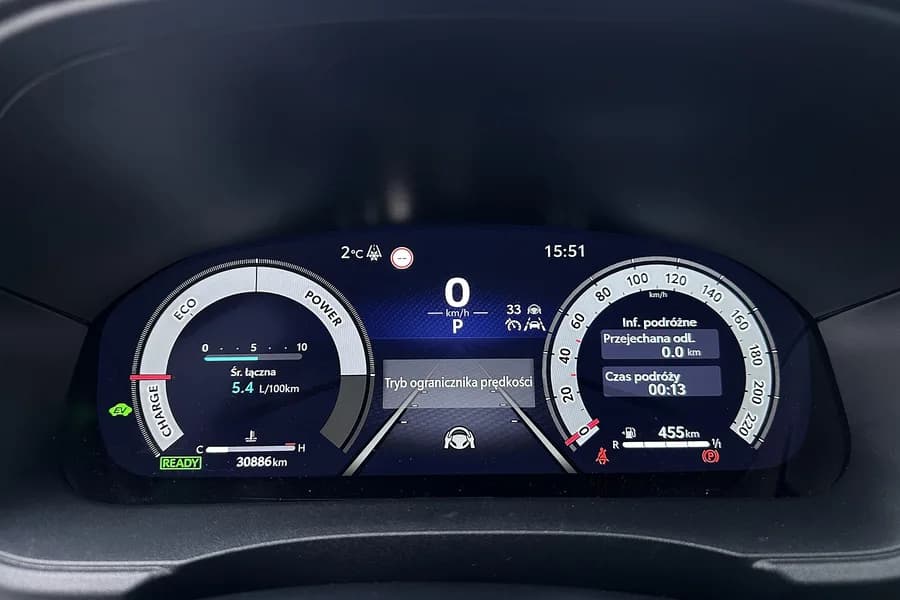
Oil light reset
Step-by-step maintenance light reset, no tools
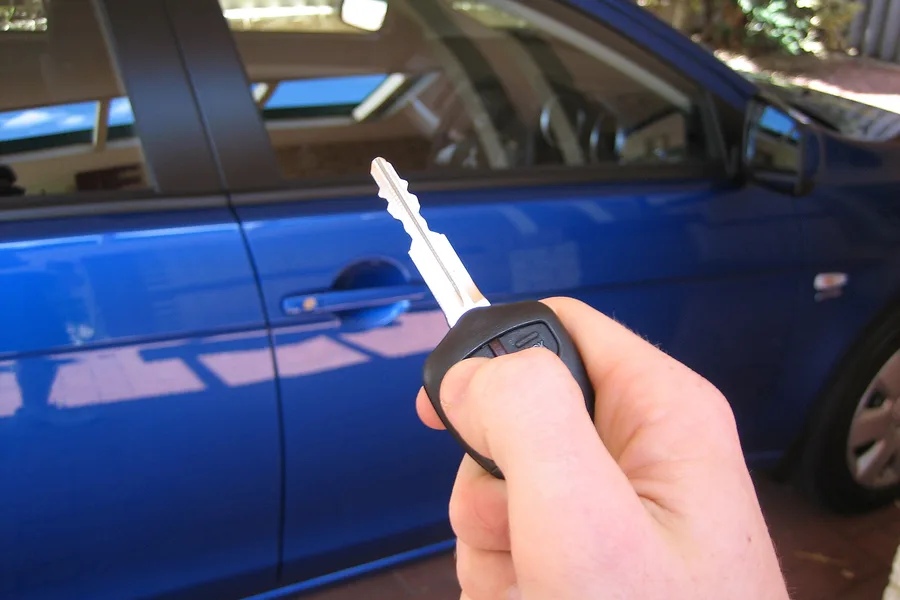
Key fob battery
Which coin cell the remote takes
Specs
Towing, weight, fuel tank, fuel economy
These specifications are shared across every Pilot of the 3rd generation (YF5/YF6) generation. See the 2016–2022 Honda Pilot overview for the full picture, or the Honda Pilot guide to compare every generation.
What changed for the 2020 Honda Pilot
- 2020Black Edition trim added, with exclusive exterior and interior styling
Known problems with the 2020 Honda Pilot
4 of the 5 issues we track for the 2016–2022 generation are documented against the 2020 model year, and 3 carry a recall or service bulletin.
9-speed automatic (ZF-sourced) judder, harsh shifts, and hesitation
moderateHonda TSBs 16-060, 17-025, 17-026, 17-043, 17-044 (torque-converter judder / transmission fluid); TSB 20-029 (2020 Touring/Elite-specific)EX-L, Touring, and Elite trims with the 9-speed automatic (built by ZF, not Honda) are the most-reported drivetrain complaint of this generation: a shudder/judder felt between roughly 20–60 mph, harsh or delayed shifts, and occasional hesitation from a stop. Honda issued a string of TSBs addressing torque-converter lock-up clutch judder and deteriorated transmission fluid as root causes, including software (valve body/TCM) reflashes and, on some units, a transmission fluid change as part of the fix. The 6-speed on LX/EX largely avoided this reputation, though a smaller number of judder complaints and TSBs exist for it too.
Typical cost: Free under warranty (software update ± fluid change); $200–$400 for an independent-shop transmission fluid service if paying out of pocket
Rear subframe corrosion, 2026 recall
majorNHTSA 26V-367Honda recalled roughly 880,000 vehicles in June 2026, including 2016–2022 Pilot, along with related Ridgeline, Passport, and Acura MDX models, because the rear subframe can corrode at the points where the rear suspension mounts to it, allowing the rear suspension to fail. Honda estimates only about 1% of affected vehicles actually have the defect, concentrated in road-salt states. Dealers inspect the subframe and either install a reinforcement kit or repair/replace the subframe as needed, free of charge. Run your VIN even if the vehicle looks and drives fine, corrosion isn't always visible from underneath.
Typical cost: Free under recall
Fuel pump failures, two separate recall campaigns
majorNHTSA 23V-858 (2015–2020 production); NHTSA 20V-314, expanded 21V-215 (2020–2022 Pilot/Passport)Two unrelated fuel-pump defects were recalled on this generation. First, a Denso-supplied low-pressure fuel pump whose impeller can swell and cause stalling or hard starts, recalled under NHTSA 20V-314 and expanded under 21V-215 to cover 2020–2022 Pilot and Passport. Second, a broader in-tank fuel pump defect (module may fail and cause the engine to stall while driving) covered 2015–2020 Pilot production under NHTSA 23V-858, with owner notification letters mailed as late as September 2024, if you own an affected model check your VIN, as many cars in this recall wave remain unrepaired years after the campaign opened. Both remedies are a free fuel pump/module replacement at any Honda dealer.
Typical cost: Free under recall
A/C compressor and condenser failures ('black death' oil contamination)
moderateA/C compressor failures are a widely reported and expensive complaint on this generation, owners describe warm air from the vents, sometimes preceded by a failing compressor clutch or relay, and sometimes progressing to a catastrophic compressor failure that contaminates the entire A/C system with metal debris and black sludge ('black death'), requiring a full system flush plus compressor, condenser, and drier replacement. Checking the compressor clutch relay first is a cheap diagnostic step before condemning the compressor.
Typical cost: $400–$700 for an isolated condenser; $2,000–$4,700 for a full system replacement after a contaminated compressor failure
1 more issue reported in other 2016–2022 years
- Third-row seatbelt assembly / positioning (2016 only, small recall), 2016 (early production only)
Full detail, costs and sources on the Honda Pilot problems and years to avoid guide.
Which engines were offered in the 2020 Pilot?
| Engine | Trims | Oil | Oil capacity |
|---|---|---|---|
| 3.5L V6 (J35Y6, direct injection), 6-speed automatic | LX, EX (2016–2022) | 0W-20 | 5.7 qt |
| 3.5L V6 (J35Y6, direct injection), 9-speed automatic (ZF-sourced) | EX-L, Touring, Elite (2016–2022); idle-stop (auto start-stop) added on these trims from 2019 | 0W-20 | 5.7 qt |
About the Honda Pilot
5L V6 across every model year in this file. The 2nd generation (2009–2015, covered here from 2012) uses the port-injected J35Z4 with i-VTEC and Variable Cylinder Management (VCM) cylinder deactivation and a 5-speed automatic, VCM's oil-consumption and piston-ring wear problems became infamous enough that Honda settled a class action extending powertrain warranty coverage, and the same engine family fouls spark plugs and throws misfire codes when it happens. The 3rd generation (2016–2022) jumped to 280 hp with the J35Y6, split between a conventional 6-speed automatic (LX, EX) and a ZF-sourced 9-speed automatic (EX-L, Touring, Elite) that earned a reputation for harsh shifting and torque-converter judder addressed by several Honda TSBs, plus a 2026 recall for rear subframe corrosion and two separate fuel-pump recall campaigns.
The 4th generation (2023–2025) switched to the non-VTEC, DOHC J35Y8 (285 hp) mated to a new 10-speed automatic, added the off-road TrailSport trim, and introduced its own headaches, infotainment freezes and a 2025 brake-pedal-pivot-pin recall. Across the range: 0W-20 full synthetic oil, the same 15400-PLM-A02 spin-on filter, a 94 ft-lb lug torque (higher than most Honda cars), and Honda's Maintenance Minder governing service timing instead of a fixed mileage chart. Towing tops out at 5,000 lbs on AWD/i-VTM4 trims, the Pilot's main draw as a family tow vehicle, versus 3,500 lbs on FWD.
For how the specifications changed across every generation, see the full Honda Pilot guide.
Other Honda Pilot years
Sources
- Go-Parts, 2018–2020 Honda Pilot 3.5L V6 (J35Y6) oil capacity 5.7 qt
- pilotsuv.com, Honda Pilot oil capacity by generation (5.7 qt, 2016–2022)
- Facebook (2016 Honda Pilot group), 6-speed vs 9-speed transmission split by trim
- Honda of Watertown / Valley Honda, 2020 Pilot LX retains 6-speed automatic
- Ridgeline Owners Club, TSB 17-025/17-026 torque converter judder
- Go-Parts, TSB 17-043, transmission judder in 2014–2019 Odyssey/Pilot/Ridgeline
- Piloteers.org, TSB 20-029, 2020 Pilot Touring/Elite judder
- KCRG (via NHTSA), Honda recalls 880,000+ vehicles for rear subframe corrosion (26V-367)
- KBB, 2021 Honda Pilot fuel pump recall (23V-858), owner letters mailed Sept 2024
- Justia Auto Recalls, 2021 Honda Pilot 23V-858 fuel pump detail
- Asbury Automotive, Honda Passport fuel pump recall, expansion of 20V-314 to 21V-215
- Facebook, 2016 Honda Pilot 'Black Death' A/C compressor failure and repair cost
- Honda News, Statement on 2016 Pilot third-row seatbelt inspection recall
- AutoZone, Honda Pilot battery by group size (35 vs 47/48 by model year)
- Detroit Axle, 2016–2022 Honda Pilot brake kit, 320mm front / 329mm rear rotors
- Piloteers.org, 9-speed transmission fluid change procedure (ATF Type 3.1, ~3.5 qt drain/fill)
- WiperBladesUSA, 2016 Honda Pilot wiper size chart (26/24/14 in)
- Edmunds, Used 2016 Honda Pilot Specs & Features (curb weight, MPG, fuel tank)
- Darcars Honda, Honda Pilot towing capacity by year (2016–2025: 3,500/5,000 lbs)