XU50 (3rd generation) · 2014–2019 · Mid-size 3-row crossover SUV
2015 Toyota Highlander parts and specs
Everything you need to own and maintain this exact model year. Verified specifications, part numbers, and the problems that recur, in one place.
Last verified
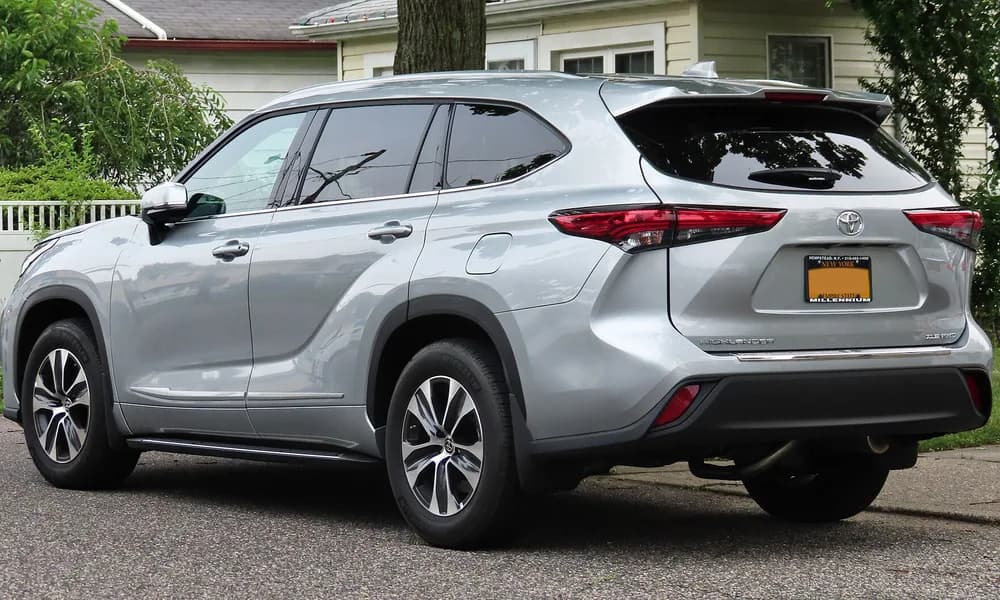
Quick facts
Specifications for the 2014–2019 Highlander
Oil & filter
Viscosity, capacity, filter part numbers, change interval
Battery
BCI group size, cold cranking amps, AGM or flooded
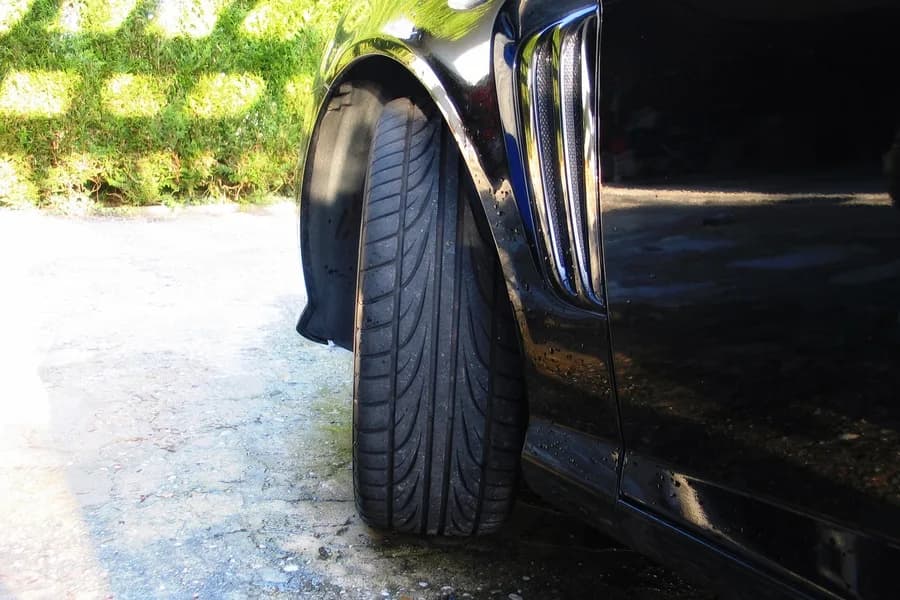
Tires & wheels
Factory sizes by trim, pressures, bolt pattern, lug torque
Wiper blades
Driver, passenger and rear blade lengths
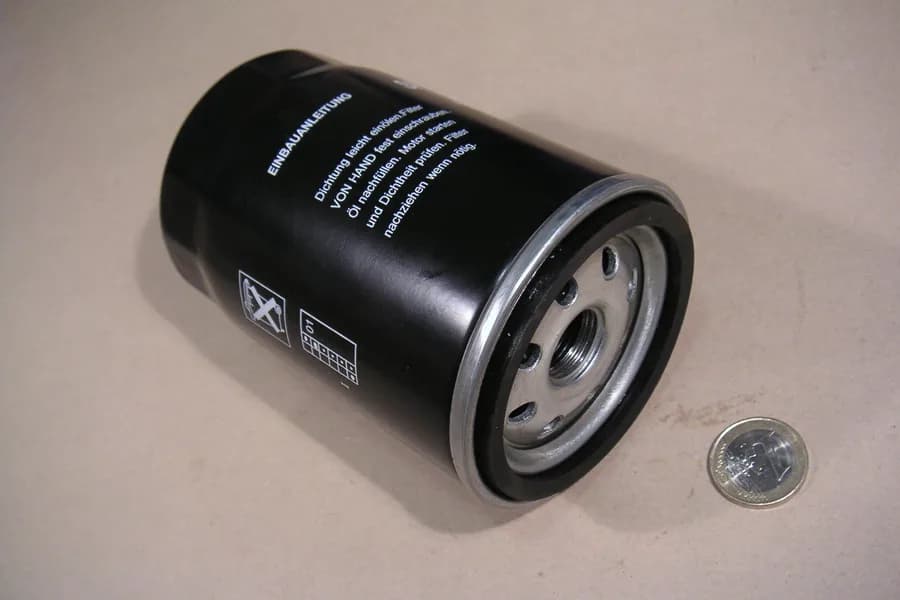
Air & cabin filters
Cabin and engine air filter part numbers, locations, intervals
Bulbs
Headlight, fog and marker bulb types
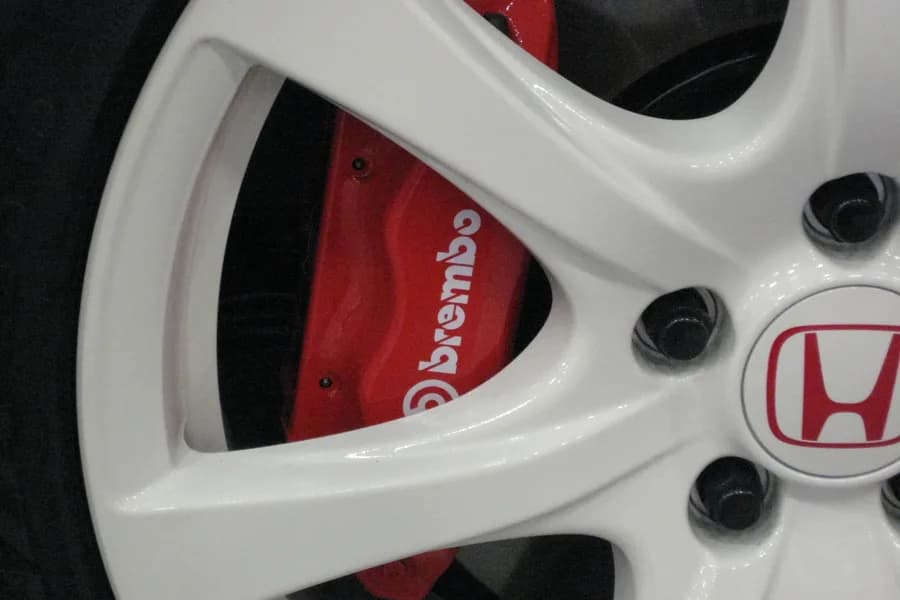
Brakes
Rotor diameters, pad references, service notes
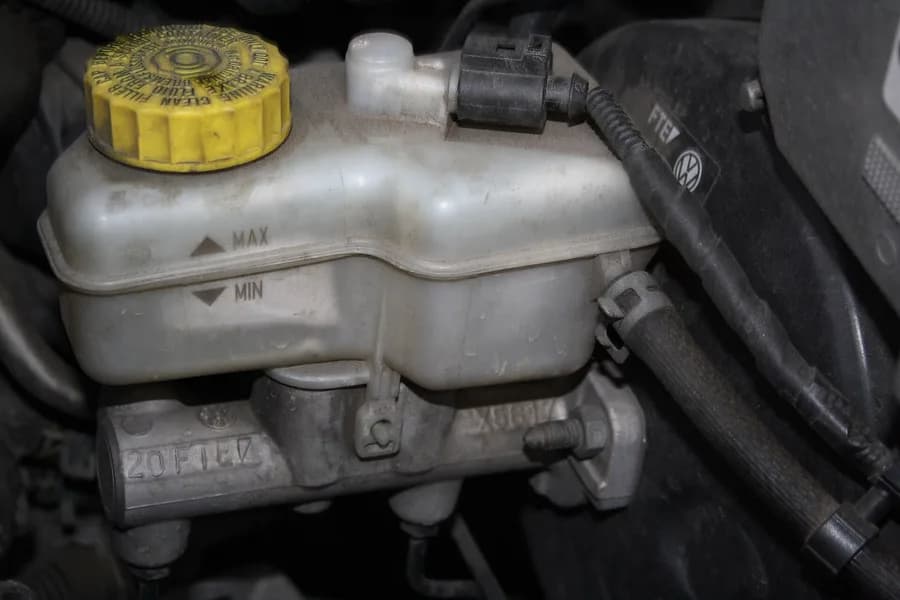
Fluids
Transmission fluid, coolant, brake fluid and capacities
Service schedule
What's actually due at every mileage interval
Problems & reliability
Documented failures, recalls, and which years to avoid
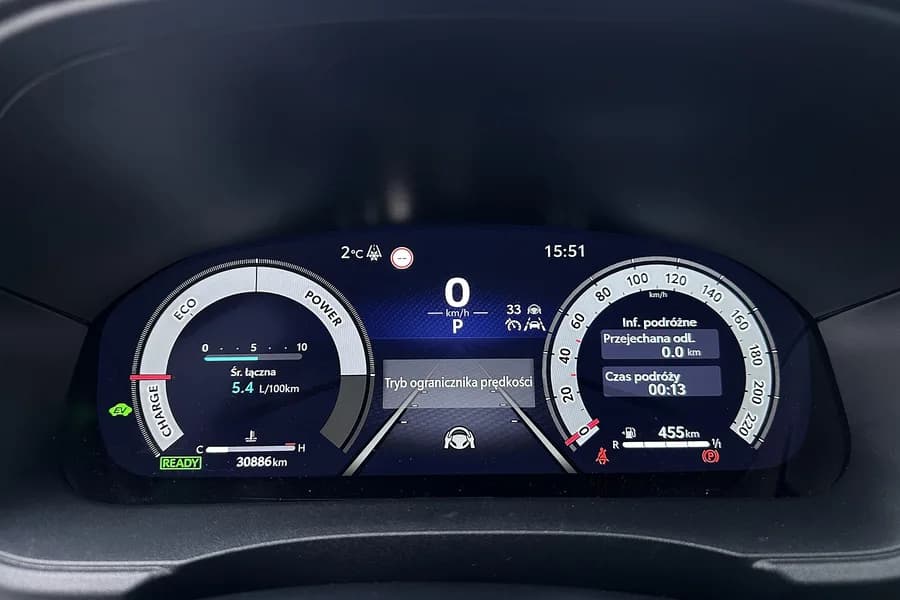
Oil light reset
Step-by-step maintenance light reset, no tools
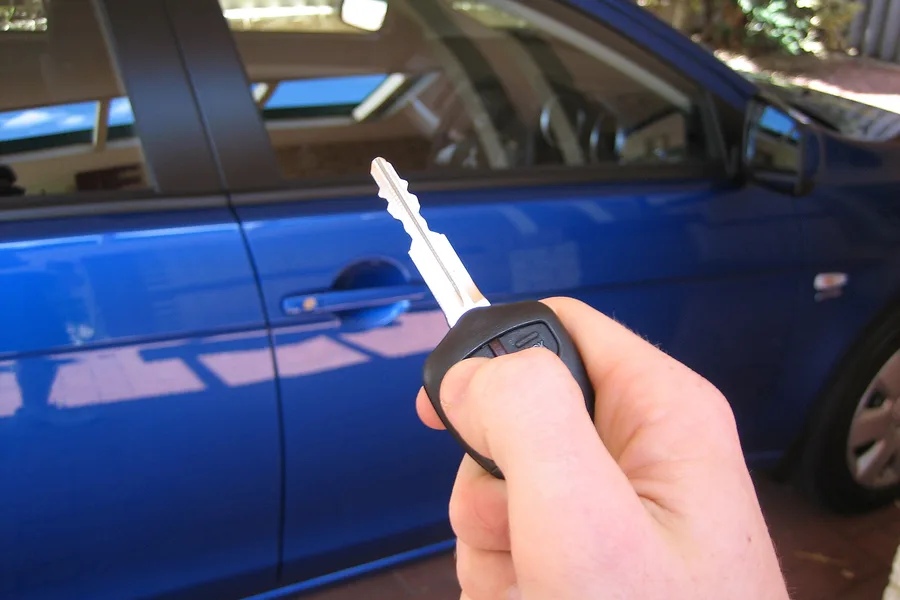
Key fob battery
Which coin cell the remote takes
Specs
Towing, weight, fuel tank, fuel economy
These specifications are shared across every Highlander of the XU50 (3rd generation) generation. See the 2014–2019 Toyota Highlander overview for the full picture, or the Toyota Highlander guide to compare every generation.
Known problems with the 2015 Toyota Highlander
2 of the 5 issues we track for the 2014–2019 generation are documented against the 2015 model year.
2GR-FE water pump coolant leak (2014–2016)
moderateSame known weakness as earlier 2GR-FE Toyotas: the water pump seal weeps coolant, leaving pink residue and eventually dripping. Watch the reservoir level and the weep hole below the pump. Straightforward but labor-heavy replacement on the Highlander's tight engine bay.
Typical cost: $500–$1,200 parts and labor
Power liftgate won't open/close or falls
minorPower liftgate struts and motors wear on XU50s just as they did on the XU40: the gate reverses, beeps and stops, or drifts down. Strut replacement is cheap; a failed power liftgate motor/latch is pricier. Annoying but not a safety issue.
Typical cost: $60–$150 (struts) to $400–$900 (motor/latch)
3 more issues reported in other 2014–2019 years
- Denso low-pressure fuel pump failure (recall), 2017–2019
- 8-speed transmission shudder, whine, and harsh shifts, 2017–2019
- Brake booster vacuum pump machining defect (recall), 2018
Full detail, costs and sources on the Toyota Highlander problems and years to avoid guide.
Which engines were offered in the 2015 Highlander?
| Engine | Trims | Oil | Oil capacity |
|---|---|---|---|
| 2.7L 4-cylinder (1AR-FE) | LE (FWD only), all years | 0W-20 | 4.6 qt |
| 3.5L V6 (2GR-FE), 2014–2016 | LE, LE Plus, XLE, Limited, Limited Platinum (2014–2016) | 0W-20 | 6.4 qt |
| 3.5L Hybrid (2GR-FXE), 2014–2016 | Hybrid Limited, Hybrid Limited Platinum (AWD only) | 0W-20 | 6.4 qt |
About the Toyota Highlander
The Toyota Highlander is Toyota's three-row family crossover, and the 2012–2025 span covers three generations with very different powertrains but the same low-drama ownership reputation. 5L 2GR-FE V6 (plus an AWD-only hybrid) with simple port injection, 0W-20 oil, and a Group 24F battery. Its documented weak spots are 2GR-FE water pump leaks and failing power-liftgate struts.
7 and the 2GR-FE, then switched in 2017 to the direct+port-injected 2GR-FKS with an 8-speed automatic and stop-start; that 8-speed drew shudder/whine complaints (TSB T-SB-0160-18), and 2017–2019 models sit inside Toyota's huge Denso fuel-pump recall. 5L hybrid (0W-16 oil) became the volume seller. 3, lug torque is 76 ft-lbs, the key fob takes a CR2032, and gas V6/turbo models tow up to 5,000 lbs with the factory tow package (hybrids 3,500 lbs).
Maintenance is interval-driven Toyota fare: 10,000-mile synthetic oil changes, 30,000-mile air and cabin filters, coolant at 100k then every 50k, and iridium plugs at 120k.
For how the specifications changed across every generation, see the full Toyota Highlander guide.
Other Toyota Highlander years
Sources
- Toyota technical data, Highlander XU50 fluids & capacities (toyota-club.net)
- Toyota OEM parts, 17801-0P090 engine air filter fitment (2017–2019 incl. hybrid)
- Toyota Genuine spark plug application chart (toyotapartsandservice.com)
- Toyota TrueStart battery application chart, 24F / 24F EFB stop-start
- NHTSA recall 20V-682, Denso fuel pump (2017–2019 Highlander)
- ToyotaNation, T-SB-0160-18 UA80F transmission TSB discussion
- O'Reilly How-To, reset maintenance light, 2014–2019 Highlander
- Wheel-Size.com, 2016 Toyota Highlander OE fitments
- fueleconomy.gov, 2016 / 2018 Highlander EPA ratings