
E210 (12th generation) · 2020–2025 · Compact sedan (TNGA-C platform; the Corolla Hatchback, sold from 2019, shares this platform and most service parts)
2020 Toyota Corolla parts and specs
Everything you need to own and maintain this exact model year. Verified specifications, part numbers, and the problems that recur, in one place.
Last verified
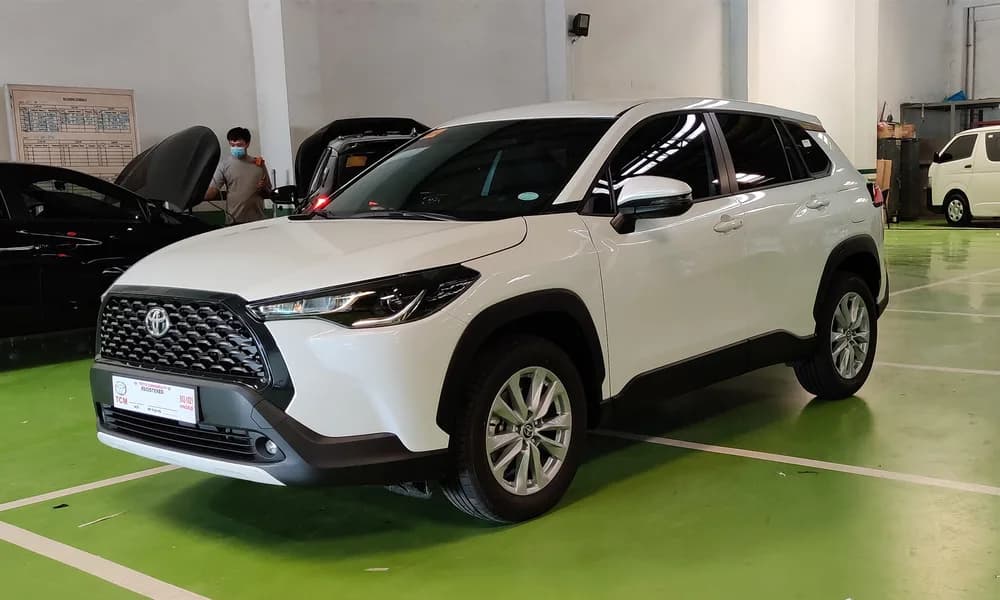
Quick facts
Specifications for the 2020–2025 Corolla
Oil & filter
Viscosity, capacity, filter part numbers, change interval
Battery
BCI group size, cold cranking amps, AGM or flooded
Tires & wheels
Factory sizes by trim, pressures, bolt pattern, lug torque
Wiper blades
Driver, passenger and rear blade lengths
Air & cabin filters
Cabin and engine air filter part numbers, locations, intervals
Bulbs
Headlight, fog and marker bulb types
Brakes
Rotor diameters, pad references, service notes
Fluids
Transmission fluid, coolant, brake fluid and capacities

Service schedule
What's actually due at every mileage interval
Problems & reliability
Documented failures, recalls, and which years to avoid
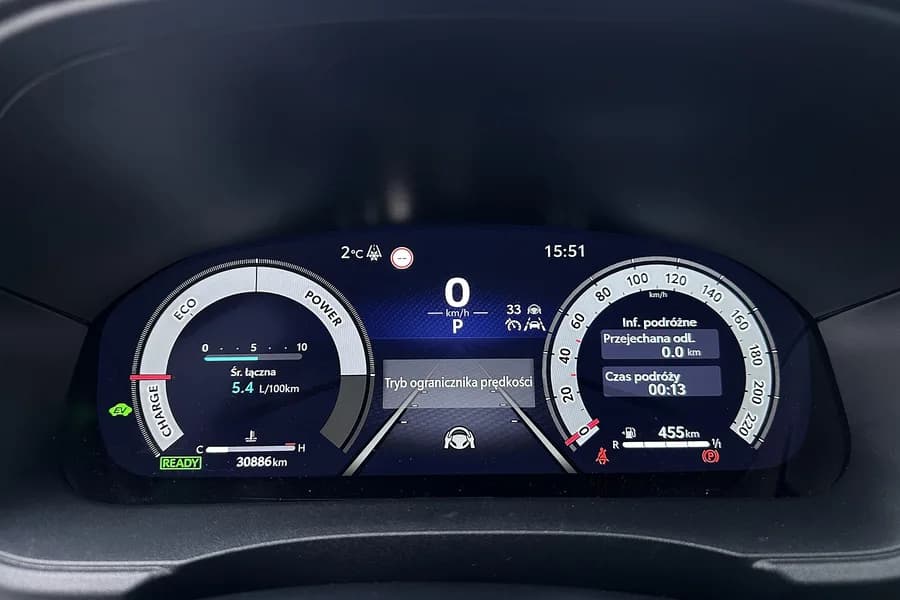
Oil light reset
Step-by-step maintenance light reset, no tools
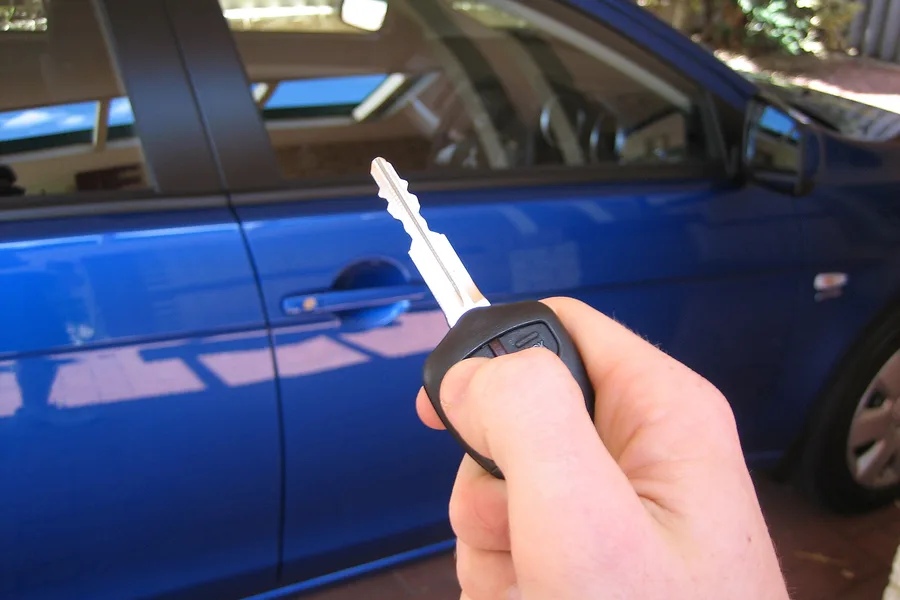
Key fob battery
Which coin cell the remote takes
Specs
Towing, weight, fuel tank, fuel economy
These specifications are shared across every Corolla of the E210 (12th generation) generation. See the 2020–2025 Toyota Corolla overview for the full picture, or the Toyota Corolla guide to compare every generation.
What changed for the 2020 Toyota Corolla
- 2020Generation launch on TNGA-C: 1.8L (L/LE), 2.0L Dynamic Force (SE/XSE/XLE), and the first US Corolla Hybrid (LE, 121 hp combined). All-LED lighting, four-wheel discs, and LN-format batteries across the board.
Known problems with the 2020 Toyota Corolla
6 of the 6 issues we track for the 2020–2025 generation are documented against the 2020 model year, and 5 carry a recall or service bulletin.
Denso low-pressure fuel pump failure (recall)
majorNHTSA 20V-682 (Toyota 20TA02); amended Jan 2025 (25V-028)2020 sedans were included in Toyota's multi-model Denso fuel pump recall: the in-tank pump impeller can swell and seize, causing rough running, no-starts, or a stall while driving. Dealers replace the fuel pump assembly free; the campaign was amended repeatedly through 2025, so check the VIN even if the car was 'already checked'.
Typical cost: Free under recall; ~$500–$900 outside recall scope
Corolla Hybrid brake booster pump failure (recall)
majorNHTSA 19V-544 (Toyota K0L)On early 2020 Corolla Hybrids the brake booster pump can fail, disabling Vehicle Stability Control and reducing braking assist, shared with the 2019 Prius/RAV4 recall population. Dealers replace the booster pump assembly free under Toyota campaign K0L.
Typical cost: Free under recall
Rear seat belt lock mechanism (recall)
moderateNHTSA 19V-877 (Toyota 19TA22)The rear seat belt webbing-sensor locking mechanism may not lock as intended in certain multi-impact crash sequences. Covered 2020 Corolla, Corolla Hybrid, and 2019–2020 C-HR; dealers inspect and replace the belt assemblies free.
Typical cost: Free under recall
Occupant Classification System sensor short (recall)
majorNHTSA 23V-865A short can develop in the front passenger seat's OCS sensor, which can prevent the passenger airbag from deploying for an adult occupant. Part of a late-2023 Toyota recall covering roughly one million vehicles including 2020–2021 Corolla and Corolla Hybrid; dealers inspect and replace the sensor free.
Typical cost: Free under recall
CVT judder / hesitation complaints (gas models)
minorRelated: NHTSA 18V-901 (2019 hatchback only); Toyota SSC 22TC07NHTSA complaints and owner threads report low-speed judder, brief hesitation from a stop, and occasional harsh engagement from both the 1.8L's K313 CVT and the 2.0L's K120 Dynamic Shift-CVT. The related hardware recall (torque converter pump blades, NHTSA 18V-901) hit only the 2019 Corolla Hatchback with the same K120 unit, the sedan escaped it. On sedans the issues are usually addressed with software updates (e.g. SSC 22TC07 engine ECU update for certain 2020 cars) and fresh CVT Fluid FE; widespread hardware failure has not materialized.
Typical cost: Free (software) under warranty; ~$150–$250 CVT fluid service
Hybrid 12V battery drain / early death
minorThe small LN1 12V auxiliary battery on hybrids can be drained by short trips and long sits, leaving a car that won't 'READY' even though the hybrid pack is fine, commonly around the 3–5 year mark. Symptoms are a dead dash after sitting or ghost electrical faults. Jump at the under-hood terminals per the manual and replace with a same-size LN1; it's an easy engine-bay DIY on this model.
Typical cost: $150–$300
Full detail, costs and sources on the Toyota Corolla problems and years to avoid guide.
Which engines were offered in the 2020 Corolla?
| Engine | Trims | Oil | Oil capacity |
|---|---|---|---|
| 1.8L 4-cylinder (2ZR-FAE) | L, LE (2020–2025) | 0W-20 | 4.4 qt |
| 2.0L 4-cylinder (M20A-FKS Dynamic Force) | SE, XSE, XLE (2020–2025); 6-speed iMT manual available on SE/XSE 2020–2022 | 0W-16 | 4.9 qt |
| 1.8L Hybrid (2ZR-FXE + THS II) | Hybrid LE (2020–2022); Hybrid LE, SE, XLE, FWD or AWD (2023–2025) | 0W-16 | 4.4 qt |
About the Toyota Corolla
The Toyota Corolla is the best-selling nameplate in automotive history, and the 2012–2025 US span covers three generations that get steadily more sophisticated while staying cheap to run. 8L 2ZR-FE, a dated but rugged 4-speed automatic, 0W-20 oil, and a Group 35 battery. Its paperwork trail is mostly Takata airbag-inflator and airbag-ECU recalls, all fixed free.
The E170 (2014–2019) kept the 2ZR engine family (adding the 140-hp Valvematic 2ZR-FAE in the LE Eco) but swapped in a CVT that Toyota had to recalibrate under service campaign JSD, made LED low beams standard on every trim, and quietly switched the oil filter from a cartridge to a spin-on in 2016, a detail that trips up DIYers. 8L hybrid rated over 50 mpg, with LN-format batteries replacing the old Group 35. Across all three generations the bolt pattern stays 5x100, lug torque stays 76 ft-lbs, and maintenance follows Toyota's standard rhythm: 10,000-mile synthetic oil changes, 30,000-mile filters, coolant at 100k then every 50k, and iridium plugs at 120k.
Owners look things up because the details shift constantly, filter style by year, oil grade by engine, battery size by powertrain.
For how the specifications changed across every generation, see the full Toyota Corolla guide.
Other Toyota Corolla years
Sources
- 2023 Corolla Owner's Manual, maintenance data (Toyota.com)
- Toyota Genuine Battery application chart 2023, ZRE212/ZWE21# = LN1, MZEA12 = LN2 (toyotapartsandservice.com)
- Toyota Genuine Spark Plug application chart 2020, E210 plug part numbers (toyotapartsandservice.com)
- Toyota Genuine Oil Filter application chart 2020, 90915-YZZF2 for all E210 engines (toyotapartsandservice.com)
- AMSOIL vehicle lookup, 2020 Corolla 2.0L M20A-FKS capacities
- Legacy Toyota, Corolla oil type & capacity by year (dealer service guide)
- fueleconomy.gov, 2021 Corolla / Corolla Hybrid EPA ratings
- TirePressure.org, 2021 Toyota Corolla placard pressures
- NHTSA recall 20V-682, Denso fuel pump
- iFixit, 2018–present Corolla 12V battery replacement (engine-bay location)