
E140 (10th generation) · 2012–2013 · Compact sedan
2012 Toyota Corolla parts and specs
Everything you need to own and maintain this exact model year. Verified specifications, part numbers, and the problems that recur, in one place.
Last verified
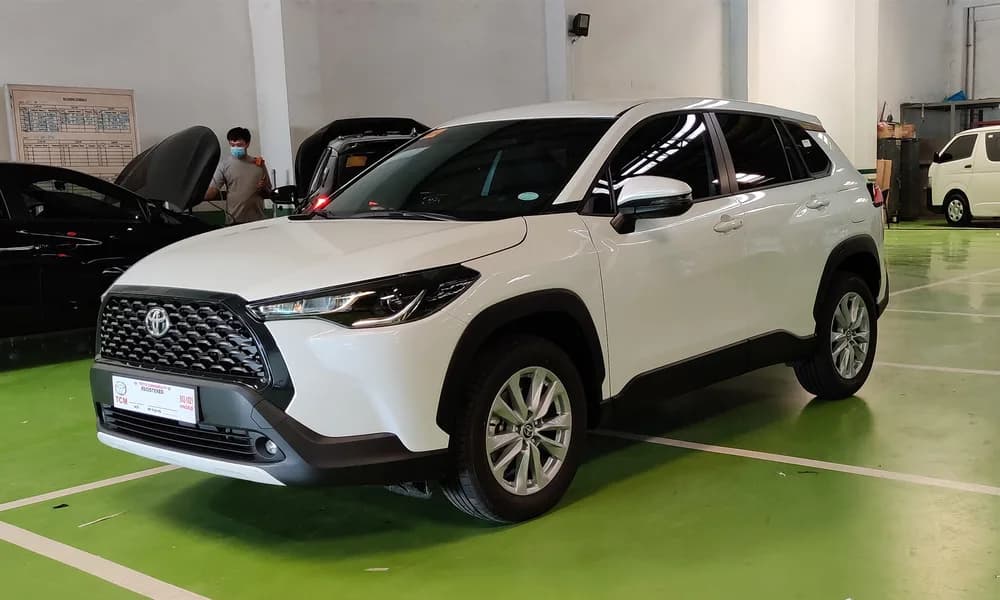
Quick facts
Specifications for the 2012–2013 Corolla
Oil & filter
Viscosity, capacity, filter part numbers, change interval
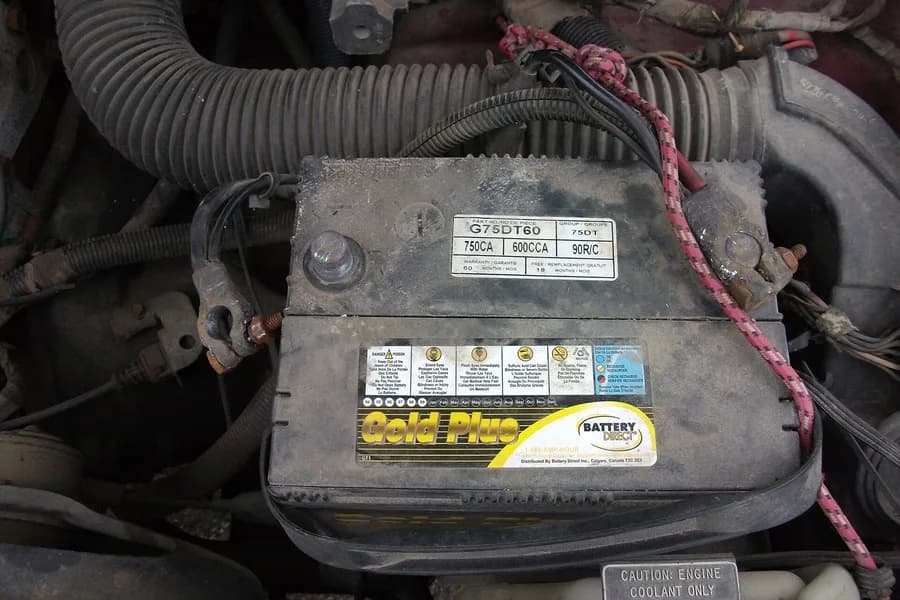
Battery
BCI group size, cold cranking amps, AGM or flooded
Tires & wheels
Factory sizes by trim, pressures, bolt pattern, lug torque
Wiper blades
Driver, passenger and rear blade lengths
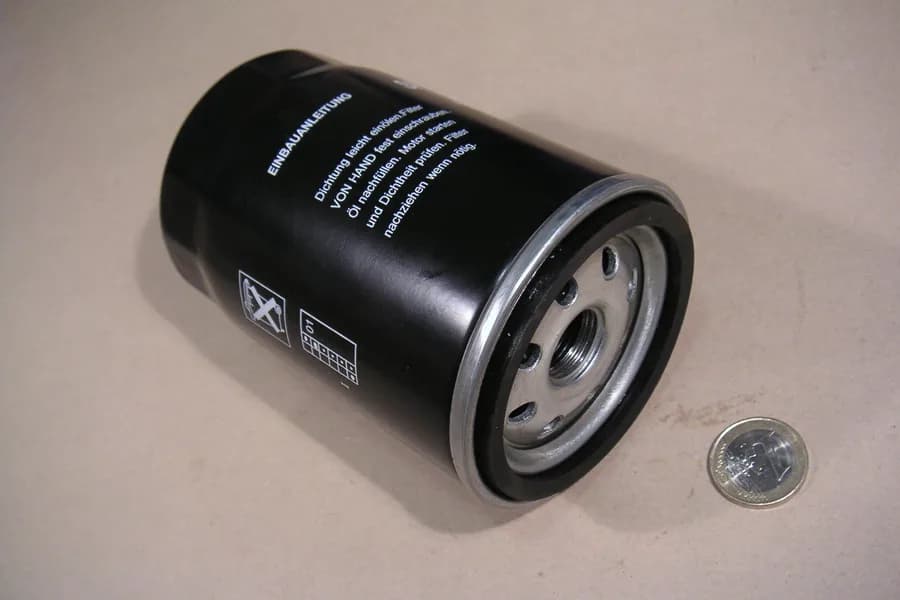
Air & cabin filters
Cabin and engine air filter part numbers, locations, intervals
Bulbs
Headlight, fog and marker bulb types
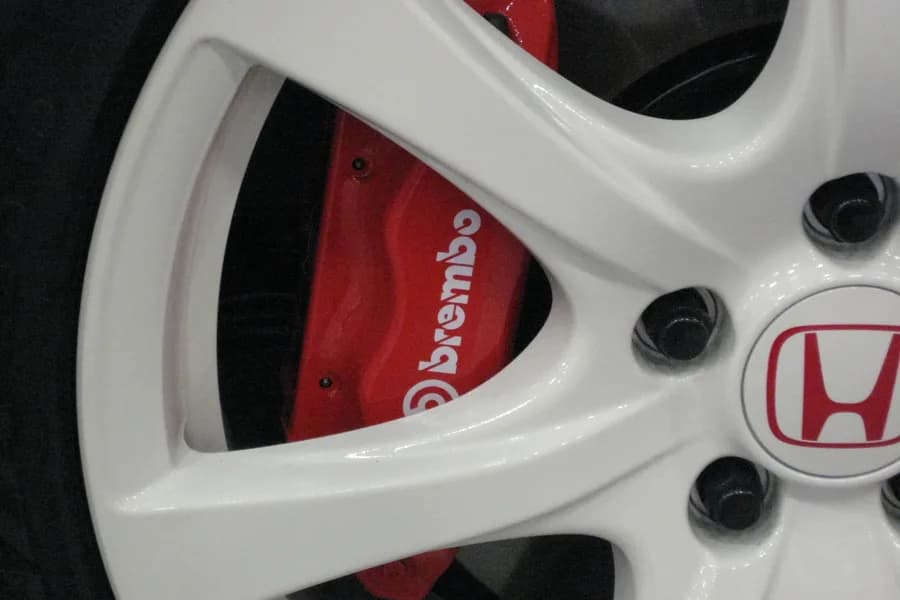
Brakes
Rotor diameters, pad references, service notes
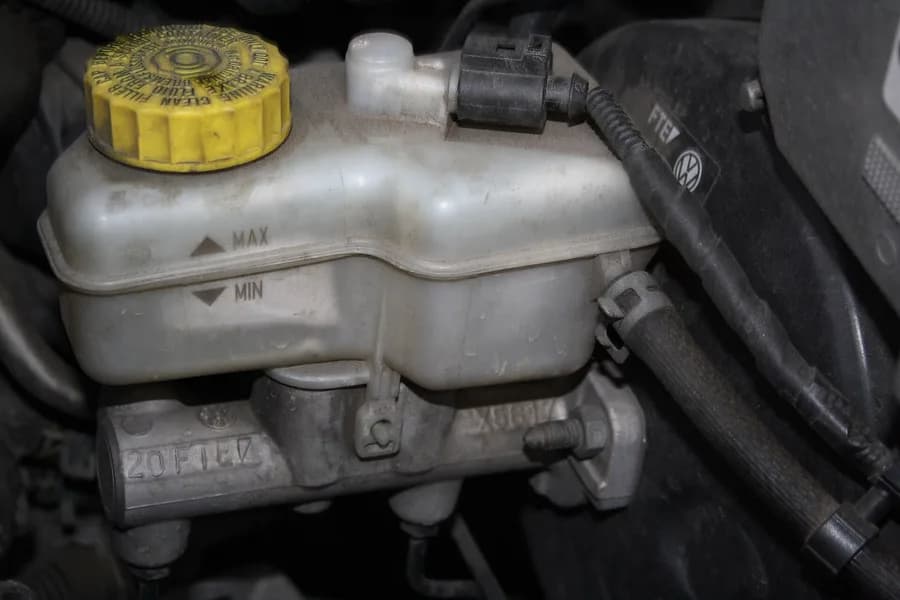
Fluids
Transmission fluid, coolant, brake fluid and capacities
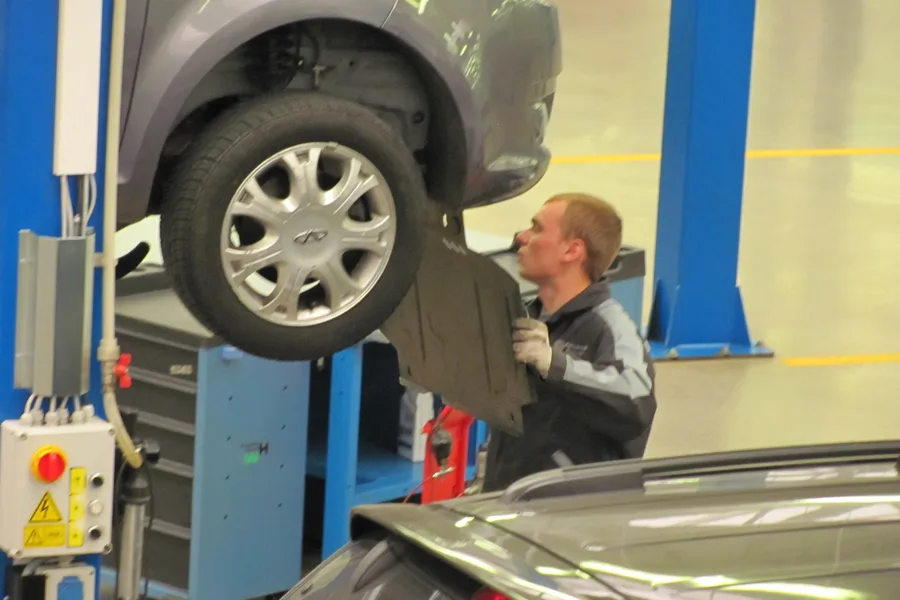
Service schedule
What's actually due at every mileage interval
Problems & reliability
Documented failures, recalls, and which years to avoid
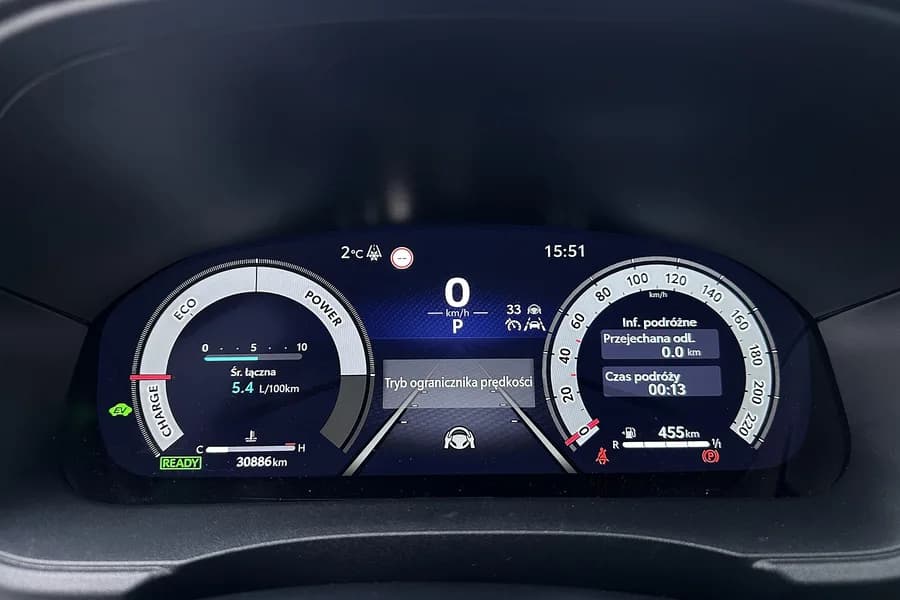
Oil light reset
Step-by-step maintenance light reset, no tools
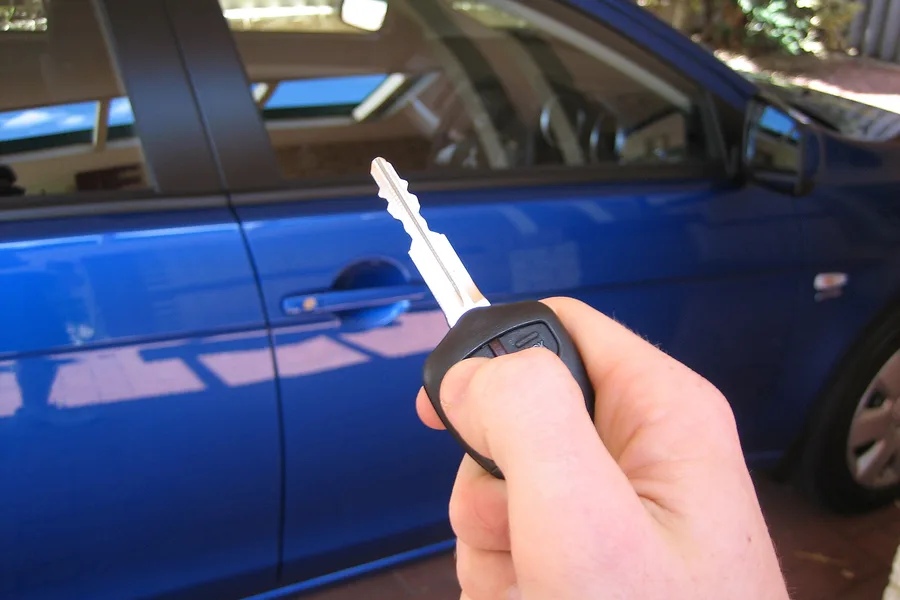
Key fob battery
Which coin cell the remote takes
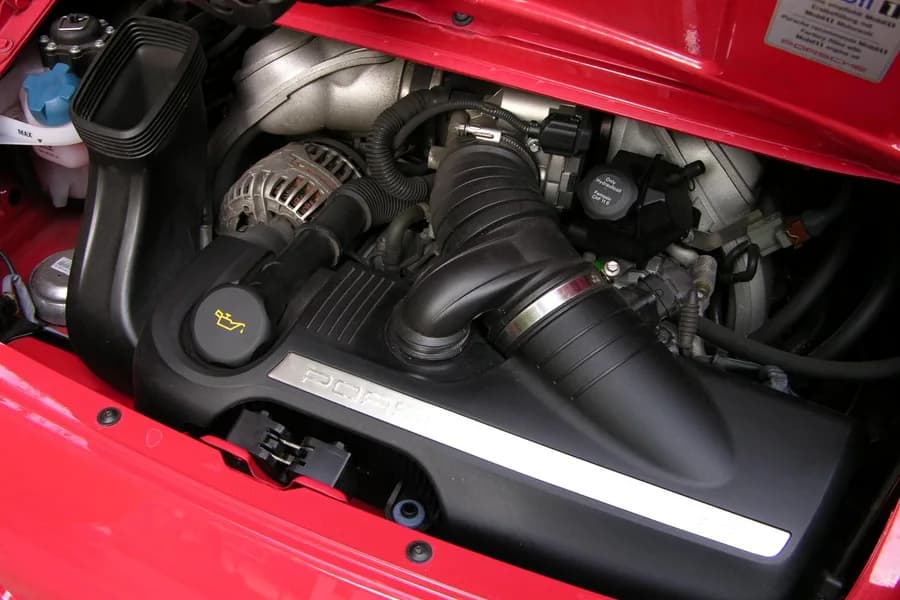
Specs
Towing, weight, fuel tank, fuel economy
These specifications are shared across every Corolla of the E140 (10th generation) generation. See the 2012–2013 Toyota Corolla overview for the full picture, or the Toyota Corolla guide to compare every generation.
What changed for the 2012 Toyota Corolla
- 2012Carryover year for the 2011-facelifted E140; the 2.4L XRS was already discontinued (2010), so all cars are 1.8L 2ZR-FE
Known problems with the 2012 Toyota Corolla
4 of the 4 issues we track for the 2012–2013 generation are documented against the 2012 model year, and 2 carry a recall or service bulletin.
Takata passenger airbag inflator (multiple recalls)
majorNHTSA 17V-006, 19V-005, 19V-741 (Toyota G0P/G0R/H0A, J0A/J0B/J0C)2009–2013 Corollas were swept into the Takata recalls: the passenger frontal inflator can degrade with humidity and rupture in a crash, sending metal fragments into the cabin. Toyota replaced inflators free under several expanding campaigns; some cars needed a second replacement because early fixes used interim Takata parts. Check your VIN at nhtsa.gov/recalls. Unrepaired cars are still on the road.
Typical cost: Free under recall
Airbag ECU may fail to deploy airbags (recall)
majorNHTSA 20V-024 (Toyota 20TA03/20TA05)The airbag electronic control unit can be damaged by electrical noise during a crash, potentially disabling airbag and seat-belt-pretensioner deployment. Part of a 2.9-million-vehicle Toyota recall covering 2011–2019 Corollas; dealers install a noise filter or replace the ECU free.
Typical cost: Free under recall
2ZR-FE excess oil consumption
moderateA subset of 2ZR-FE engines burn oil, generally blamed on low-tension piston rings gumming up when oil changes are stretched. It was most reported on 2009–2010 cars but owner reports continue into 2012–2013. Check the dipstick between changes; keeping to 5,000-mile changes largely prevents it, and a piston-ring job is the worst-case fix.
Typical cost: $0 (top-offs) to $2,500–$4,500 for ring replacement
2ZR-FE water pump coolant seep
moderateThe early stamped-steel 2ZR water pump is known to weep coolant from its seal, leaving pink crust or a slow drip at the front of the engine, typically between 50k and 100k miles. Failures are gradual. Watch the reservoir level. Replacement is a straightforward bolt-on job and updated pumps last longer.
Typical cost: $350–$600 parts and labor
Full detail, costs and sources on the Toyota Corolla problems and years to avoid guide.
Which engines were offered in the 2012 Corolla?
| Engine | Trims | Oil | Oil capacity |
|---|---|---|---|
| 1.8L 4-cylinder (2ZR-FE) | L, LE, S (all trims) | 0W-20 | 4.4 qt |
About the Toyota Corolla
The Toyota Corolla is the best-selling nameplate in automotive history, and the 2012–2025 US span covers three generations that get steadily more sophisticated while staying cheap to run. 8L 2ZR-FE, a dated but rugged 4-speed automatic, 0W-20 oil, and a Group 35 battery. Its paperwork trail is mostly Takata airbag-inflator and airbag-ECU recalls, all fixed free.
The E170 (2014–2019) kept the 2ZR engine family (adding the 140-hp Valvematic 2ZR-FAE in the LE Eco) but swapped in a CVT that Toyota had to recalibrate under service campaign JSD, made LED low beams standard on every trim, and quietly switched the oil filter from a cartridge to a spin-on in 2016, a detail that trips up DIYers. 8L hybrid rated over 50 mpg, with LN-format batteries replacing the old Group 35. Across all three generations the bolt pattern stays 5x100, lug torque stays 76 ft-lbs, and maintenance follows Toyota's standard rhythm: 10,000-mile synthetic oil changes, 30,000-mile filters, coolant at 100k then every 50k, and iridium plugs at 120k.
Owners look things up because the details shift constantly, filter style by year, oil grade by engine, battery size by powertrain.
For how the specifications changed across every generation, see the full Toyota Corolla guide.
Other Toyota Corolla years
Sources
- Toyota technical data, Corolla E140 US fluids & capacities (toyota-club.net)
- Toyota Genuine Battery application chart 2023 (toyotapartsandservice.com)
- Toyota Genuine Spark Plug application chart 2020 (toyotapartsandservice.com)
- Toyota Genuine Oil Filter application chart 2020 (toyotapartsandservice.com)
- TirePressure.org, 2012 Toyota Corolla placard pressures
- fueleconomy.gov, 2012 Corolla EPA ratings
- NHTSA recalls by vehicle, 2012/2013 Toyota Corolla