
2017–2025 · 2 generations
Tesla Model 3 Parts, Specs and Maintenance Guide
Every maintenance specification for the 2017–2025 Tesla Model 3, organised by generation. Pick a topic for the full picture across every year, or jump straight to your model year.
Last verified
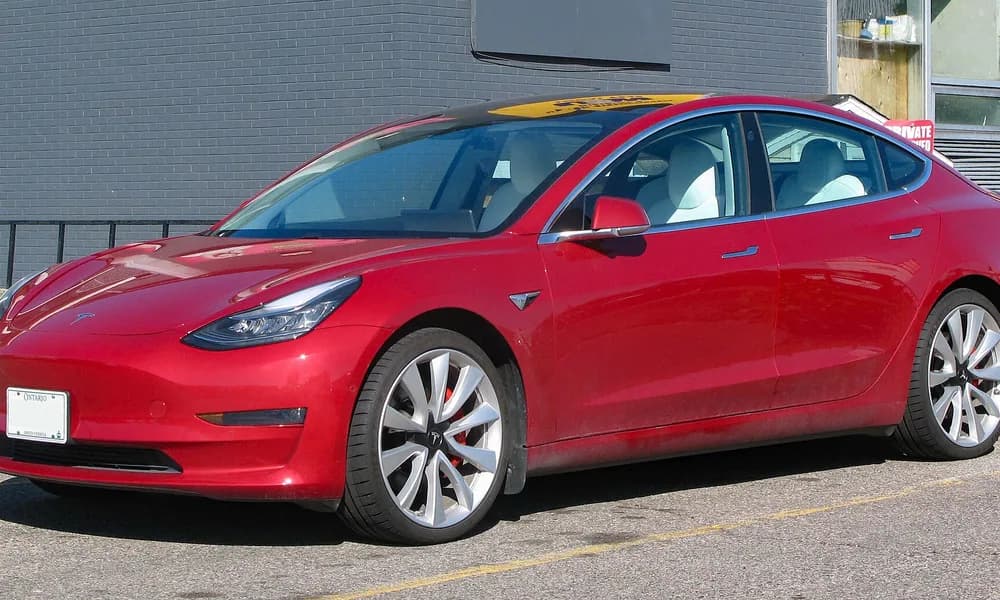
Quick facts: 2024–2025 Model 3
- Engine oil
- None, fully electric
- Battery
- Group 16V Li-ion low-voltage battery (Tesla proprietary, 15.5 V / 6.9 Ah)
- Tire size
- 235/45R18 (base trim)
- Wiper blades
- 26" / 19"
- Cabin filter
- Tesla 1107681-00-A family (two filters; -00-B/-00-C revisions interchange, fits 2017–2025)
- Key fob battery
- CR2032 (optional accessory key fob); key card and phone key have no battery
Tesla Model 3 maintenance guides
Oil & filter
Viscosity, capacity, filter part numbers, change interval
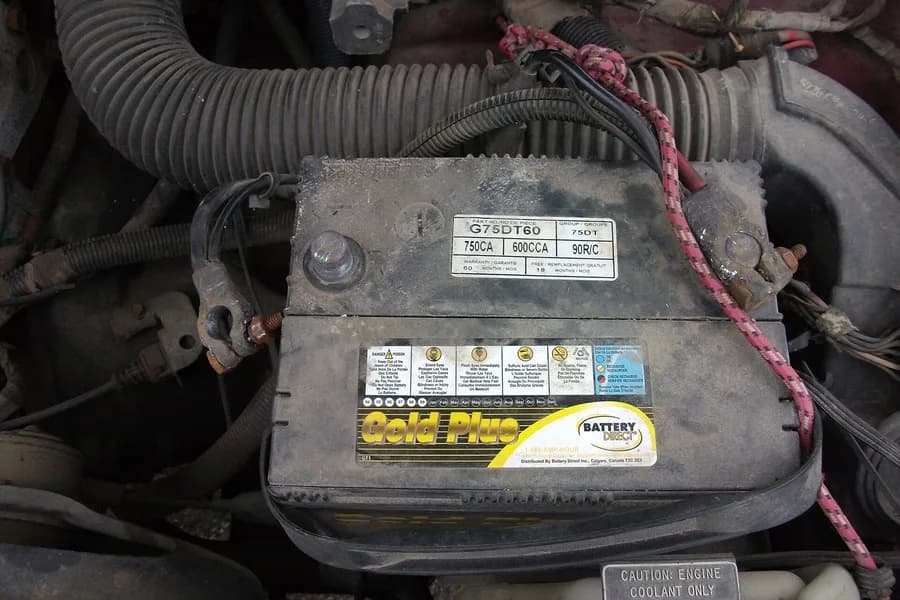
Battery
BCI group size, cold cranking amps, AGM or flooded
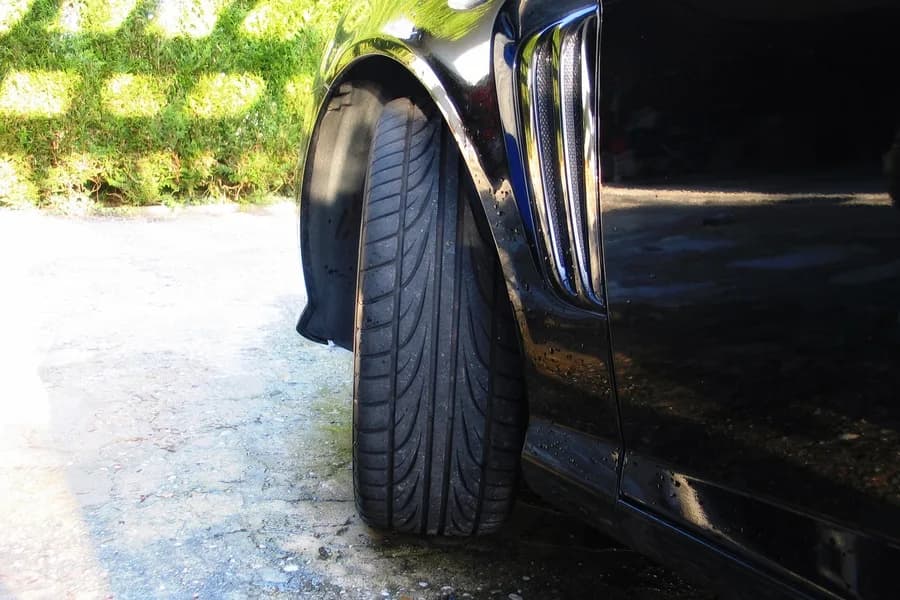
Tires & wheels
Factory sizes by trim, pressures, bolt pattern, lug torque
Wiper blades
Driver, passenger and rear blade lengths
Air & cabin filters
Cabin and engine air filter part numbers, locations, intervals
Bulbs
Headlight, fog and marker bulb types
Brakes
Rotor diameters, pad references, service notes
Fluids
Transmission fluid, coolant, brake fluid and capacities
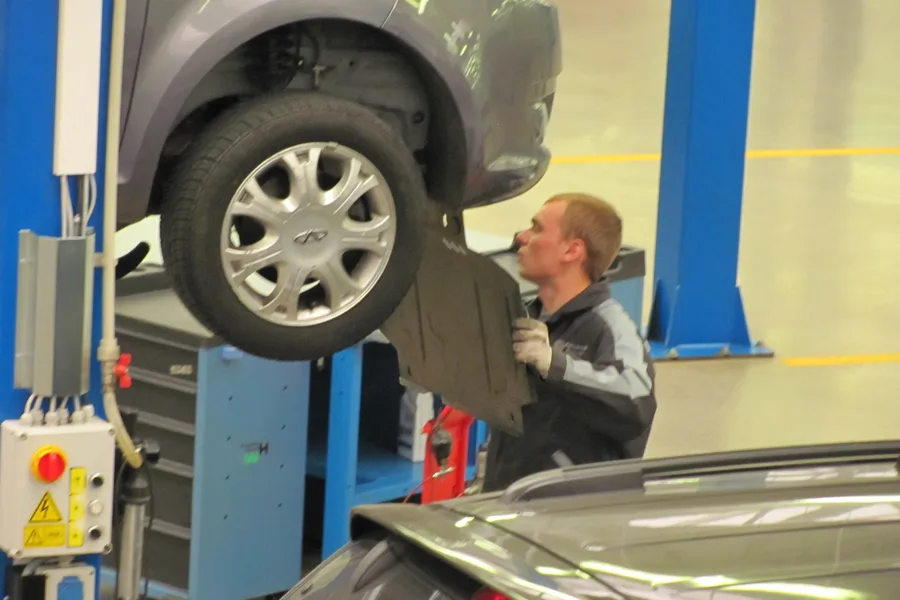
Service schedule
What's actually due at every mileage interval
Problems & reliability
Documented failures, recalls, and which years to avoid
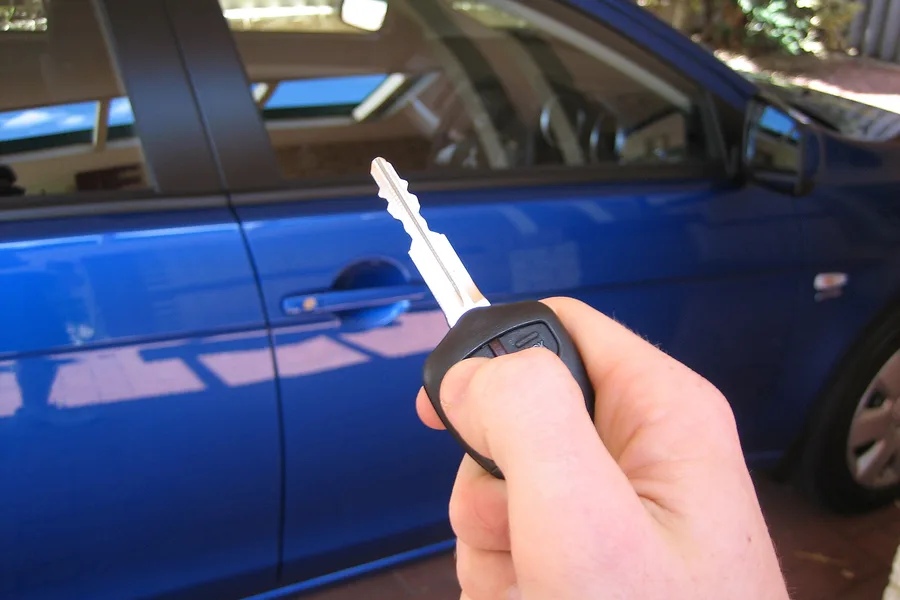
Key fob battery
Which coin cell the remote takes
Specs
Towing, weight, fuel tank, fuel economy
Which Tesla Model 3 generation do you have?
Specifications change at generation boundaries, not every model year. Two cars four years apart often take the identical oil, filter, and battery. These are the generations we hold data for.
About the Tesla Model 3
The Tesla Model 3 is the car that made EVs mainstream in America, and from a parts-and-maintenance standpoint it splits cleanly into two eras. The original car (2017–2023) launched as a Long Range RWD sedan and grew into a three-powertrain lineup, single-motor Standard Range/RWD, dual-motor Long Range AWD, and Performance, picking up a heat pump, powered trunk, and double-pane glass in the 2021 refresh and an LFP battery on the base RWD in 2022. The 'Highland' refresh (2024–2025) reworked the body, suspension, and interior but kept the same service items.
There is no engine oil, no spark plugs, and no dealer service schedule. Tesla's official list is just tire rotations every 6,250 miles, cabin filters every 2 years, a brake fluid health check every 4 years, and winter brake-caliper cleaning. What owners actually look up: the 12V battery gotcha (cars built through roughly November 2021 use a small 85B24LS lead-acid battery that dies every 3–4 years; later cars use a lifetime 16V Li-ion pack), tire sizes and the universal 42 psi placard pressure (heavy EV + XL-rated tires means fast tread wear), the two-stage cabin filter replacement behind the passenger footwell, and a recall history that is almost entirely fixed over-the-air, window pinch (22V-702), heat pump software (22V-050), TPMS light (24V-935), plus the long-running phantom-braking complaint file (NHTSA PE22-002, closed without a defect finding).
Tesla Model 3 by model year
Year pages show only the engines and specs offered that year.
Sources
- Tesla Support, Vehicle Maintenance (Model 3 intervals: cabin filter 2 yr, brake fluid 4 yr, rotation 6,250 mi, no desiccant for heat-pump cars)
- Wheel-Size.com, 2024 Tesla Model 3 OE fitments and 42 psi pressures
- Mavis, 2025 Model 3 Performance staggered OE sizes (235/35R20 front, 275/30R20 rear)
- NHTSA Part 573 report, recall 25V-002 (vehicle computer / rearview camera)
- NHTSA Part 573 report, recall 24V-376 (seat belt reminder)
- NHTSA Part 573 report, recall 24V-935 (TPMS warning light)
- Tesla Shop. Model 3 wiper blade (fits all Model 3 years)
- Tesla DIY Guide, Replacing Cabin Filters (procedure shared with pre-Highland cars)
- Wikipedia, Tesla Model 3 (Highland launch timing, curb weights, EPA ranges)