
1st generation (original, pre-Highland) · 2017–2023 · Compact EV sedan
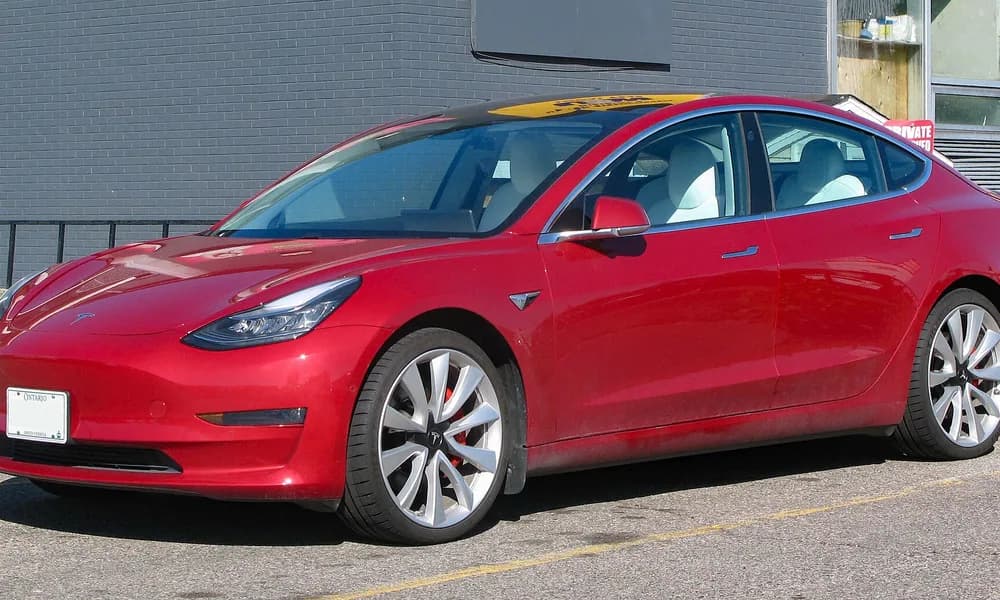
2017 Tesla Model 3 parts and specs
Everything you need to own and maintain this exact model year. Verified specifications, part numbers, and the problems that recur, in one place.
Last verified
Quick facts
- Engine oil
- None, fully electric
- Battery
- Group 85B24LS (JIS; 12V 45 Ah) through ~Nov 2021 production; 16V Li-ion after
- Tire size
- 235/45R18 (base trim)
- Wiper blades
- 26" / 19"
- Cabin filter
- Tesla 1107681-00-A (two filters per car, sold as a pair; later revisions -00-B/-00-C interchange)
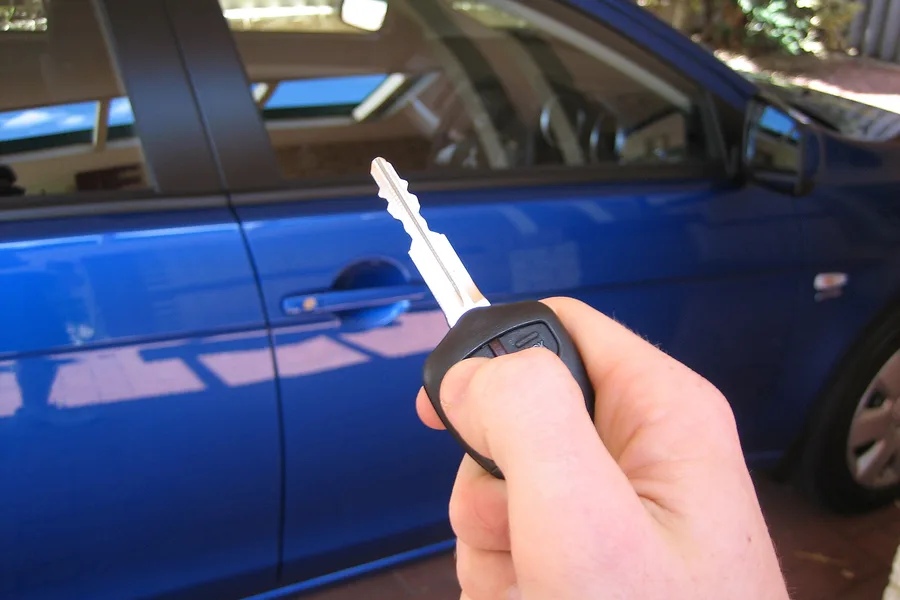
- Key fob battery
- CR2032 (optional accessory key fob). The standard key card and phone key have no battery to replace.
Specifications for the 2017–2023 Model 3
Oil & filter
Viscosity, capacity, filter part numbers, change interval
Battery
BCI group size, cold cranking amps, AGM or flooded
Tires & wheels
Factory sizes by trim, pressures, bolt pattern, lug torque
Wiper blades
Driver, passenger and rear blade lengths
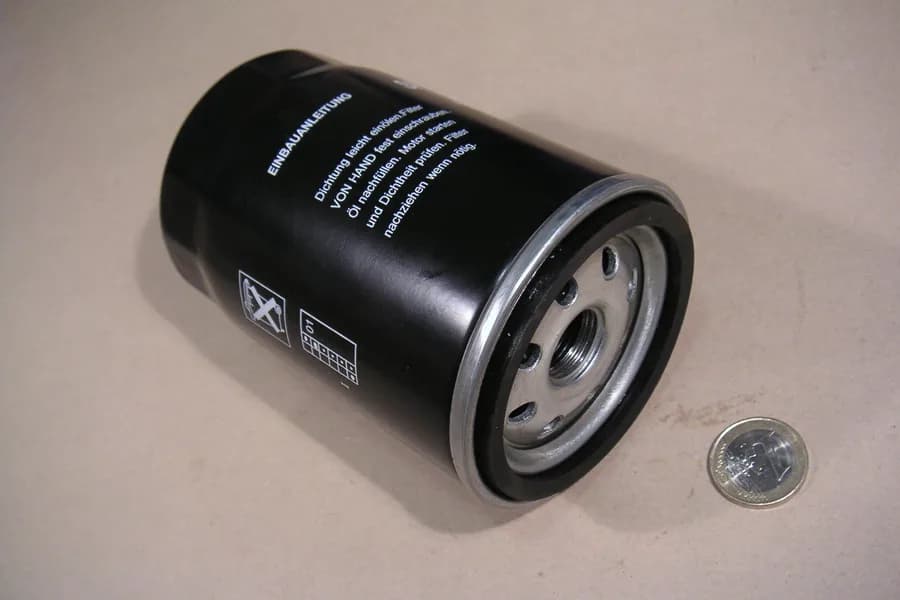
Air & cabin filters
Cabin and engine air filter part numbers, locations, intervals
Bulbs
Headlight, fog and marker bulb types
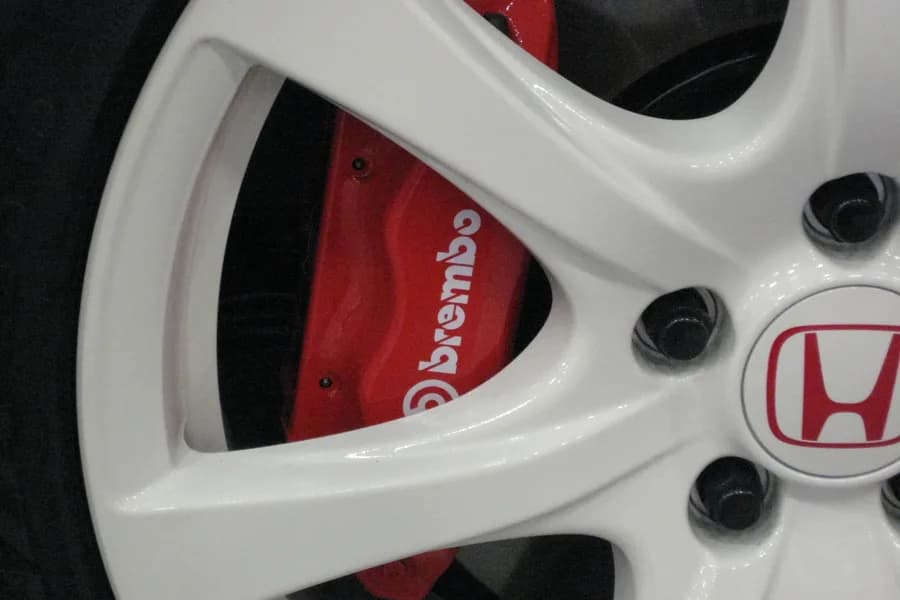
Brakes
Rotor diameters, pad references, service notes
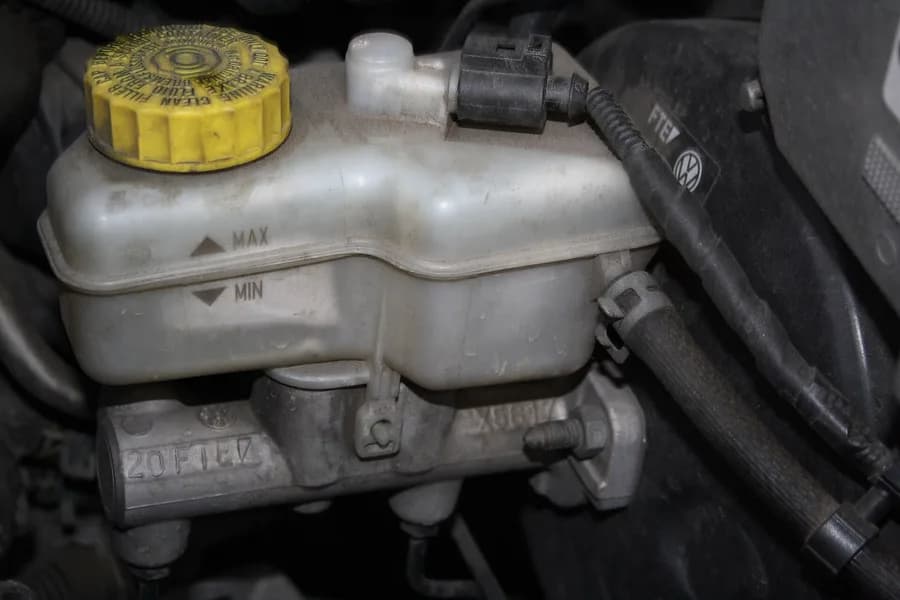
Fluids
Transmission fluid, coolant, brake fluid and capacities
Service schedule
What's actually due at every mileage interval
Problems & reliability
Documented failures, recalls, and which years to avoid
Key fob battery
Which coin cell the remote takes
Specs
Towing, weight, fuel tank, fuel economy
These specifications are shared across every Model 3 of the 1st generation (original, pre-Highland) generation. See the 2017–2023 Tesla Model 3 overview for the full picture, or the Tesla Model 3 guide to compare every generation.
What changed for the 2017 Tesla Model 3
- 2017US deliveries began July 2017, Long Range RWD only (310 mi), 18-in Aero or 19-in Sport wheels
Known problems with the 2017 Tesla Model 3
5 of the 6 issues we track for the 2017–2023 generation are documented against the 2017 model year, and 2 carry a recall or service bulletin.
Heat pump failure / loss of cabin heat in cold weather
majorNHTSA 22V-050 (Tesla firmware 2021.44.30.7)2021+ cars use a heat pump whose expansion-valve software could let refrigerant migrate and shut the compressor down in sub-14°F weather, killing cabin heat and defrost. Tesla recalled 2021–2022 cars (26,681 vehicles) and fixed it over the air with firmware 2021.44.30.7+. Separate from the recall, hardware failures of the heat pump sensor/EXV and compressor are among the most reported cold-climate issues; covered under the 4-yr/50k basic warranty, expensive after.
Typical cost: Free (OTA recall / warranty); ~$1,500–$3,000 for out-of-warranty heat pump hardware
12V lead-acid battery dies every 3–4 years (pre-Dec 2021 cars)
moderateThe small 85B24LS 12V battery in the frunk area runs constant loads (sentry, computers) and wears out faster than in a gas car, often around year 3–4, sometimes with little warning beyond an on-screen alert. If it dies completely, the car won't wake and the doors need the manual release procedure. Replace promptly when the warning appears; Tesla mobile service does it cheaply, or it's a 30-minute DIY. Cars built after ~December 2021 got a 16V Li-ion battery that eliminates the problem.
Typical cost: $85–$180 (Tesla OEM battery + mobile service); ~$130–$300 aftermarket/lithium upgrade
Front upper control arm creak / squeak
moderateA creak or groan from the front end at low speed over bumps or while turning, caused by the front upper control arm ball joints (early arms were prone to water intrusion). Extremely common on 2017–2021 cars; Tesla revised the part. Fix is replacing the upper arm(s), cheap part, moderate labor, and independent shops can do it.
Typical cost: $200–$600 per side at a shop (~$60–$100/part DIY); up to ~$1,000/side at some Tesla service centers
Window automatic-reversal (pinch protection) recall
minorNHTSA 22V-702 (Tesla SB-22-00-013)Testing showed the windows could close with more force than FMVSS 118 allows before reversing, a pinch-injury risk. Tesla recalled nearly 1.1 million vehicles including every 2017–2022 Model 3 and pushed an over-the-air calibration fix, no service visit needed. Verify the recall shows closed for your VIN on NHTSA's site.
Typical cost: Free (OTA update)
Touchscreen yellow border / banding (early cars)
minorEarly screens developed a yellow band around the display edge as the adhesive aged in heat/UV. Tesla fixed affected screens free with an in-service UV-light treatment (originally trying to charge, then relenting under warranty pressure). Largely history now, most affected cars were treated, but check used 2017–2018 cars in sunny states.
Typical cost: Free (UV treatment under warranty); screen replacement ~$1,100+ otherwise
1 more issue reported in other 2017–2023 years
- Phantom braking on Autopilot / TACC, 2021–2023 (worst on early Tesla Vision cars)
Full detail, costs and sources on the Tesla Model 3 problems and years to avoid guide.
Which powertrains were offered in the 2017 Model 3?
| Powertrain | Trims | Oil | Oil capacity |
|---|---|---|---|
| Single Motor RWD (Long Range RWD / Mid Range / Standard Range Plus / RWD) | Long Range RWD (2017–2019), Mid Range (2018–2019), Standard Range / SR+ (2019–2021), RWD with LFP battery (2022–2023) | N/A | None (EV) |
About the Tesla Model 3
The Tesla Model 3 is the car that made EVs mainstream in America, and from a parts-and-maintenance standpoint it splits cleanly into two eras. The original car (2017–2023) launched as a Long Range RWD sedan and grew into a three-powertrain lineup, single-motor Standard Range/RWD, dual-motor Long Range AWD, and Performance, picking up a heat pump, powered trunk, and double-pane glass in the 2021 refresh and an LFP battery on the base RWD in 2022. The 'Highland' refresh (2024–2025) reworked the body, suspension, and interior but kept the same service items.
There is no engine oil, no spark plugs, and no dealer service schedule. Tesla's official list is just tire rotations every 6,250 miles, cabin filters every 2 years, a brake fluid health check every 4 years, and winter brake-caliper cleaning. What owners actually look up: the 12V battery gotcha (cars built through roughly November 2021 use a small 85B24LS lead-acid battery that dies every 3–4 years; later cars use a lifetime 16V Li-ion pack), tire sizes and the universal 42 psi placard pressure (heavy EV + XL-rated tires means fast tread wear), the two-stage cabin filter replacement behind the passenger footwell, and a recall history that is almost entirely fixed over-the-air, window pinch (22V-702), heat pump software (22V-050), TPMS light (24V-935), plus the long-running phantom-braking complaint file (NHTSA PE22-002, closed without a defect finding).
For how the specifications changed across every generation, see the full Tesla Model 3 guide.
Other Tesla Model 3 years
Sources
- Tesla DIY Guide, Replacing the Low Voltage Lead-Acid Battery (85B24LS spec, Li-ion transition dates)
- Tesla Model 3 Owner's Manual, Maintenance Service Intervals
- Tesla Support, Vehicle Maintenance (cabin filter, brake fluid, desiccant, rotation intervals)
- Tesla DIY Guide, Replacing Wiper Blades (26 in / 19 in)
- Tesla DIY Guide, Replacing Cabin Filters
- NHTSA Part 573 report, recall 22V-702 (window automatic reversal)
- NHTSA ODI resume, investigation PE22-002 (unexpected brake activation, 2021–2022 Model 3/Y)
- Consumer Reports, Tesla heat pump recall 22V-050 details
- Wheel-Size.com, 2018 Tesla Model 3 OE fitments and 42 psi pressures
- Tesla Model Y/3 Owner's Manual, Wheels and Tires (129 ft-lb lug torque)
- Tesla Motors Club, 16V Li-ion low-voltage battery (15.5 V / 6.9 Ah) documentation thread