
SH (3rd generation) · 2012–2013 · Compact crossover SUV
2013 Subaru Forester parts and specs
Everything you need to own and maintain this exact model year. Verified specifications, part numbers, and the problems that recur, in one place.
Last verified
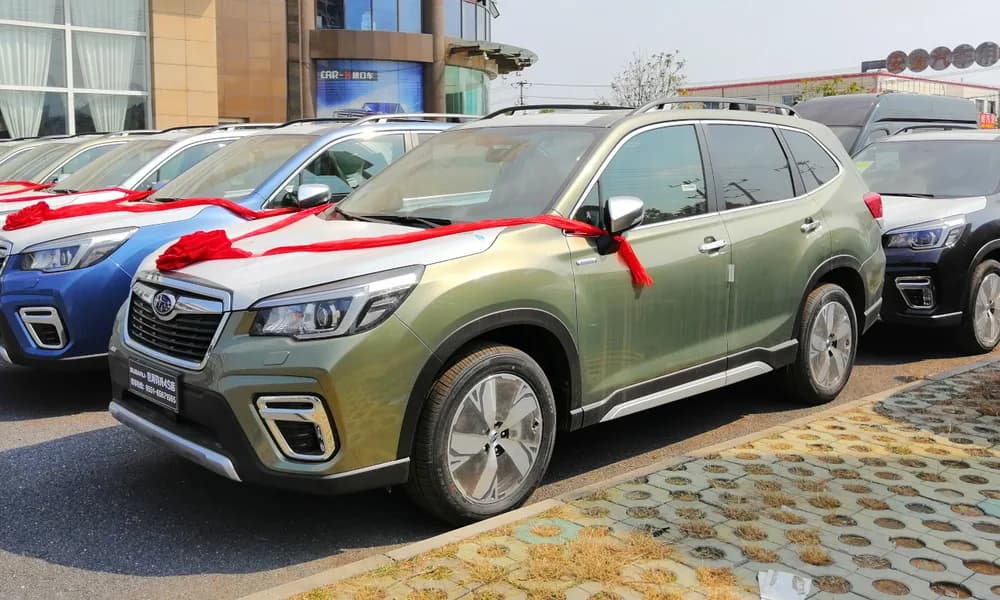
Quick facts
Specifications for the 2012–2013 Forester
Oil & filter
Viscosity, capacity, filter part numbers, change interval
Battery
BCI group size, cold cranking amps, AGM or flooded
Tires & wheels
Factory sizes by trim, pressures, bolt pattern, lug torque
Wiper blades
Driver, passenger and rear blade lengths
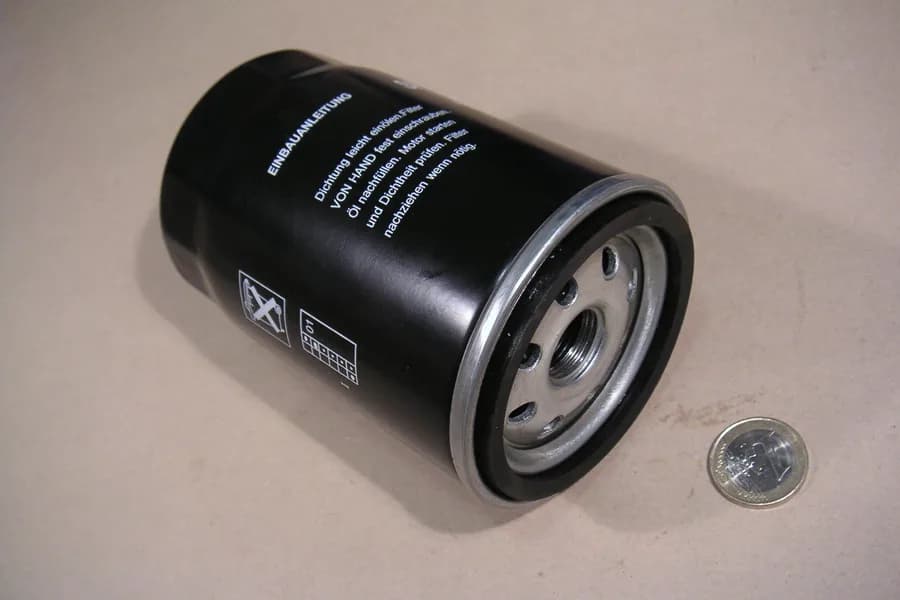
Air & cabin filters
Cabin and engine air filter part numbers, locations, intervals
Bulbs
Headlight, fog and marker bulb types
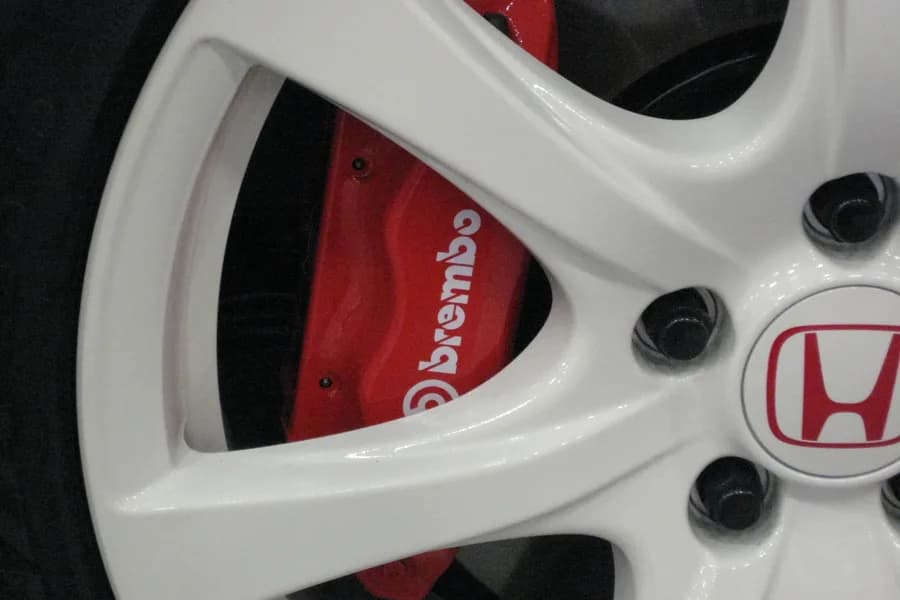
Brakes
Rotor diameters, pad references, service notes
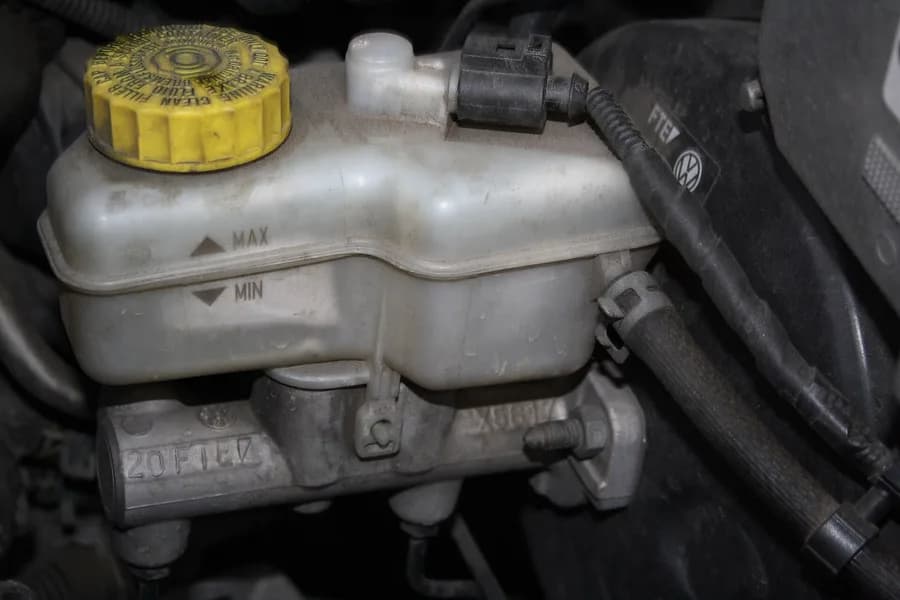
Fluids
Transmission fluid, coolant, brake fluid and capacities

Service schedule
What's actually due at every mileage interval
Problems & reliability
Documented failures, recalls, and which years to avoid
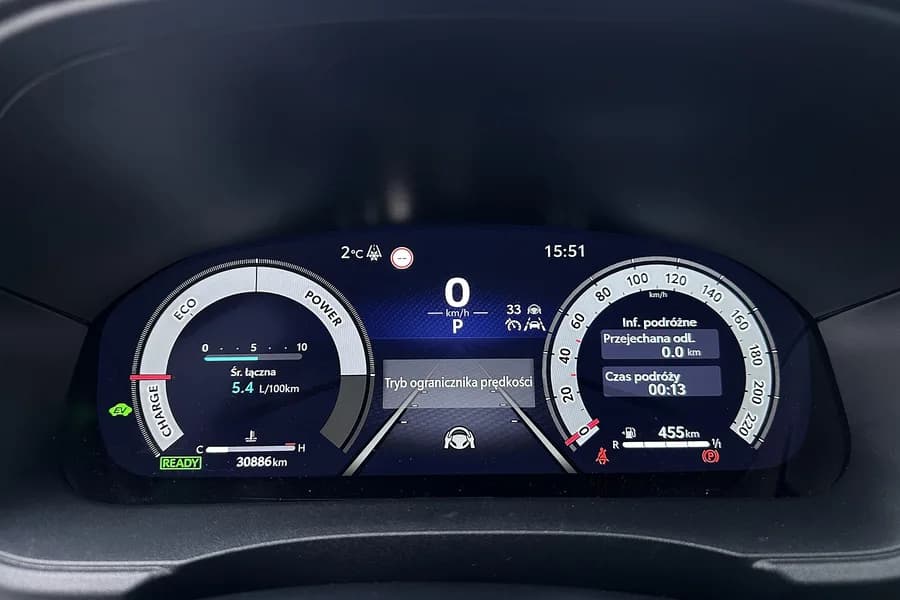
Oil light reset
Step-by-step maintenance light reset, no tools
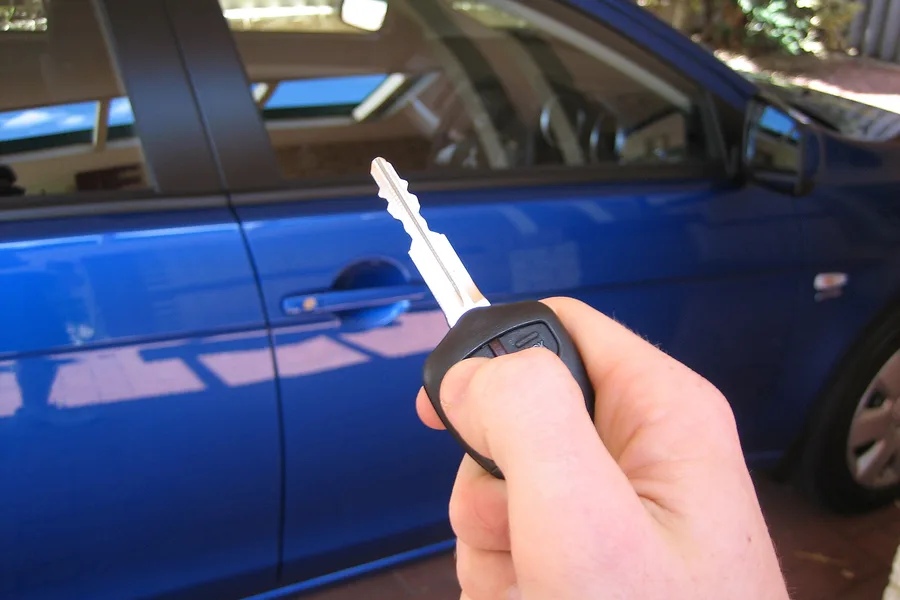
Key fob battery
Which coin cell the remote takes
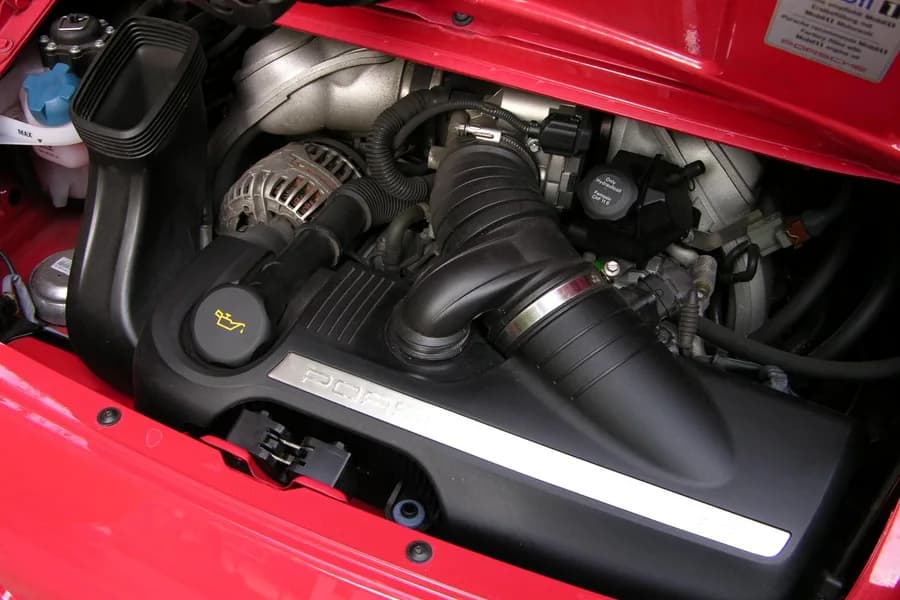
Specs
Towing, weight, fuel tank, fuel economy
These specifications are shared across every Forester of the SH (3rd generation) generation. See the 2012–2013 Subaru Forester overview for the full picture, or the Subaru Forester guide to compare every generation.
What changed for the 2013 Subaru Forester
- 2013Minor changes only: Sky Blue dropped from the exterior color palette, replaced by Marine Blue and Deep Cherry Pearl
- 2012–2013Facelift years of the SH generation; non-turbo trims run the newer FB25 while the 2.5XT retains the EJ25 turbo through the end of production in 2013
Known problems with the 2013 Subaru Forester
5 of the 5 issues we track for the 2012–2013 generation are documented against the 2013 model year, and 3 carry a recall or service bulletin.
Head gasket seepage (legacy EJ25 concern)
moderateThe older non-turbo EJ25 used in Foresters through roughly 2011 is well known for external head-gasket seepage, showing as slow coolant loss or a sweet smell. By 2012–2013 the 2.5X had switched to the newer FB25, which is far less prone to this; the 2.5XT's turbocharged EJ25, however, carried into 2013 and has scattered owner reports of the same seepage at higher mileage. Worth a cooling-system check on any 2012–2013 XT pre-purchase inspection.
Typical cost: $1,000–$1,600
FB25 excessive oil consumption (class action settlement)
moderateYaegar v. Subaru of America, Inc., No. 1:14-cv-04490 (D.N.J.)A subset of 2011–2014 FB25-equipped Foresters (and same-era Legacy/Outback) burn oil faster than Subaru's acceptable threshold, traced to piston ring and PCV design. Owners sued (Yaegar v. Subaru of America); the settlement extended the powertrain warranty on oil-consumption repairs to 8 years/100,000 miles and reimbursed test costs, repairs, and up to six quarts of top-off oil. The claims deadline has passed, but the extended warranty coverage still applies to qualifying VINs.
Typical cost: Covered under the settlement's extended warranty if still within 8 yr/100k mi; otherwise $0 (top-offs) to $3,000+ for ring/engine work
CVT shudder, hesitation, or premature failure
major2.5X models on the Lineartronic CVT can develop shuddering under light throttle, hesitation on takeoff, or a whining/grinding noise as the CVT chain and pulleys wear. NHTSA received a large volume of CVT-related complaints across this generation's Subaru lineup. A full CVT replacement is the worst-case repair.
Typical cost: $3,500–$5,500 for a CVT replacement out of warranty
Ignition switch electrical contact (recall)
moderateNHTSA 19V297000Certain 2009–2013 Forester vehicles were recalled because an electrical contact inside the ignition switch can wear or corrode, which in some cases can affect engine starting or cause a stall. Subaru inspects and replaces the switch assembly free of charge.
Typical cost: Free under recall
Takata airbag inflator recall
majorNHTSA 19V008000, 19V007000, 19V009000 (Takata campaigns)Part of the industry-wide Takata recall: the front passenger airbag inflator can rupture in a deployment, sending metal fragments into the cabin. Subaru replaced inflators free of charge; check your VIN even if you believe a prior owner already had it done.
Typical cost: Free under recall
Full detail, costs and sources on the Subaru Forester problems and years to avoid guide.
Which engines were offered in the 2013 Forester?
| Engine | Trims | Oil | Oil capacity |
|---|---|---|---|
| 2.5L 4-cylinder (FB25, port-injected) | 2.5X, 2.5X Premium, 2.5X Limited, 2.5X Touring | 0W-20 | 5.5 qt |
| 2.5L Turbo 4-cylinder (EJ25, 2.5XT) | 2.5XT Premium, 2.5XT Limited | 5W-30 | 4.4 qt |
About the Subaru Forester
The Subaru Forester is a compact, boxy crossover that has built its reputation on tall greenhouse visibility, class-leading ground clearance, and standard symmetrical AWD rather than outright power or luxury, which is why "Forester years to avoid" is one of the most-searched Subaru questions online. 5XT turbo held onto the EJ25 turbo (224 hp) paired to a conventional 4-speed automatic, not a CVT. 0XT trim only, now CVT-equipped) and is remembered for turbo oil-starvation from a clogged banjo-bolt oil-feed filter, a 2015–2018 passenger-airbag sensor recall, and the tail end of an FB25 oil-consumption class-action settlement.
The SK generation (2019–2024) rode on the Subaru Global Platform with a direct-injected FB25D (182 hp, no turbo offered in the US) and introduced the Wilderness off-road trim in 2022; it's dogged by a well-documented Thermo Control Valve (TCV) failure that Subaru extended warranty coverage on to 15 years/150,000 miles, plus windshield-cracking and parasitic-battery-drain class actions shared across the Subaru lineup. The redesigned SL generation (2025+) keeps the FB25D (180 hp) and adds Subaru's first factory Forester Hybrid (194 hp combined, e-CVT), with EyeSight driver assist standard fleet-wide. Across every generation, maintenance follows Subaru's familiar pattern: 6,000-mile/6-month synthetic oil changes, an 11-year/137,500-mile first coolant service, a Group 35 battery, 89 ft-lb lug torque, and a CVT on nearly every trim whose long-term health is the single biggest driver of Forester resale value.
For how the specifications changed across every generation, see the full Subaru Forester guide.
Other Subaru Forester years
Sources
- Wikipedia, Subaru Forester generations (SH)
- AMSOIL lookup, 2013 Forester 2.5L FB25BC oil spec/capacity
- AMSOIL lookup, 2010 Forester 2.5L EJ255 turbo oil spec/capacity
- Subaru Forester Owners Forum, oil type & filter for 2013 2.5XT (5W-30, 4.4 qt per owner's manual)
- sportsubarusouth.com, Subaru Forester oil type by model year (2011–2013 SH)
- KBB, 2010 Subaru Forester specs (2.5XT: 224 hp / 226 lb-ft)
- Edmunds, 2013 Subaru Forester review (2.5XT specs, 4-speed automatic)
- tirecalculatorhub.com, Subaru Forester OEM tire size guide by year
- Conley Subaru, Forester lug nut torque by model year
- Class Law Group, Subaru oil consumption class action settlement summary
- subaruforester.org, 2011–14 Forester oil consumption class action lawsuit thread
- subaruofdayton.com, Subaru EJ25 head gasket history explainer