
B17 (7th generation) · 2013–2019 · Compact sedan
2016 Nissan Sentra parts and specs
Everything you need to own and maintain this exact model year. Verified specifications, part numbers, and the problems that recur, in one place.
Last verified
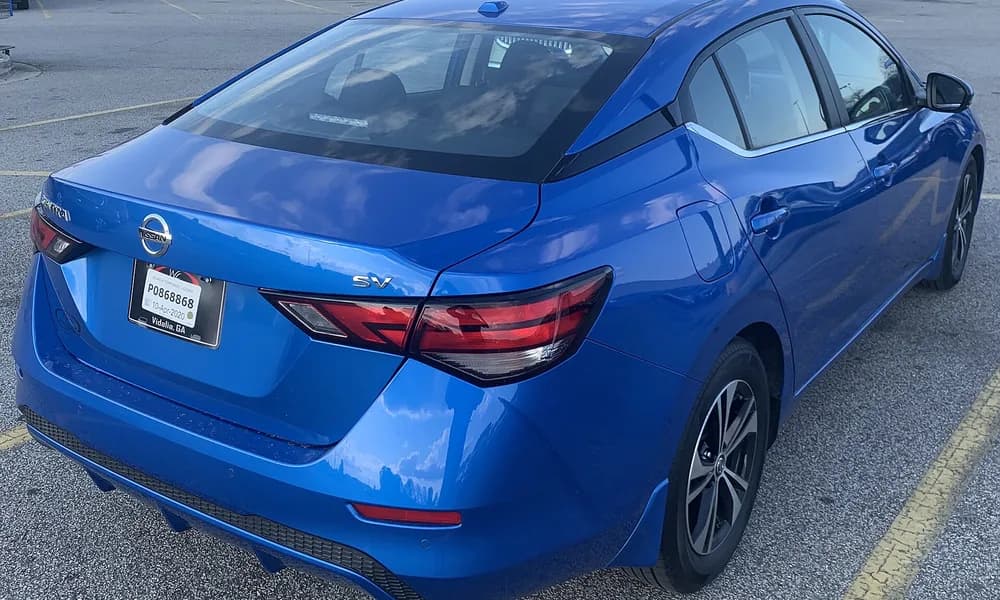
Quick facts
Specifications for the 2013–2019 Sentra
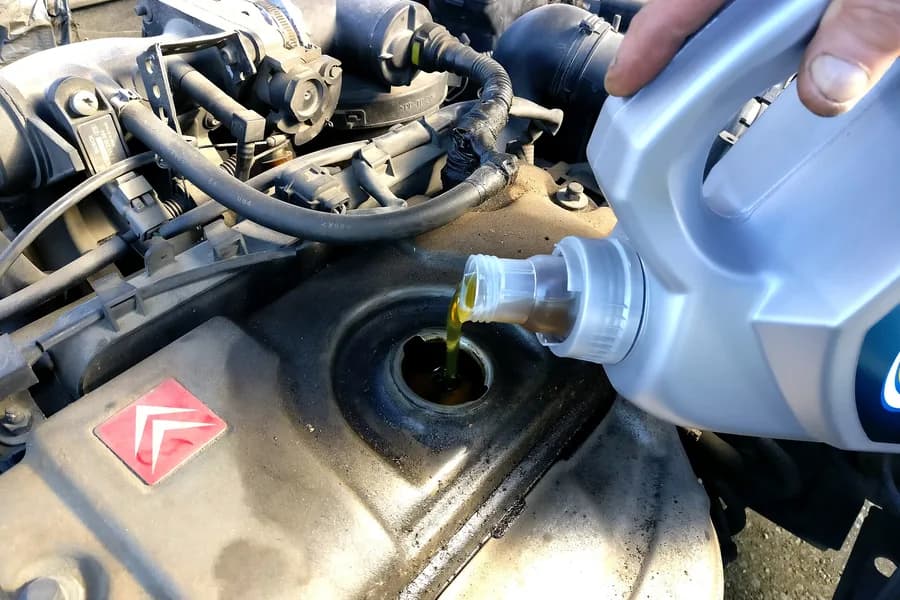
Oil & filter
Viscosity, capacity, filter part numbers, change interval
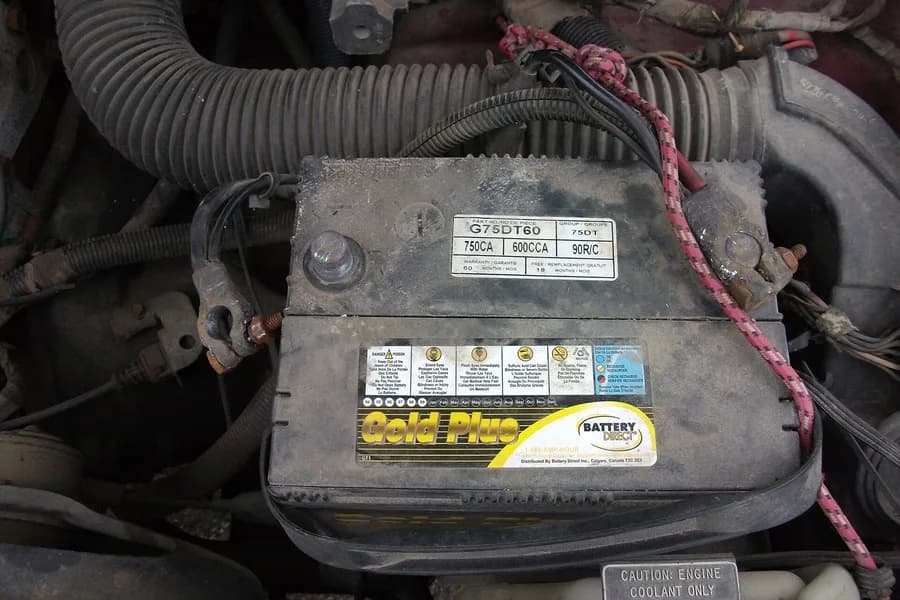
Battery
BCI group size, cold cranking amps, AGM or flooded
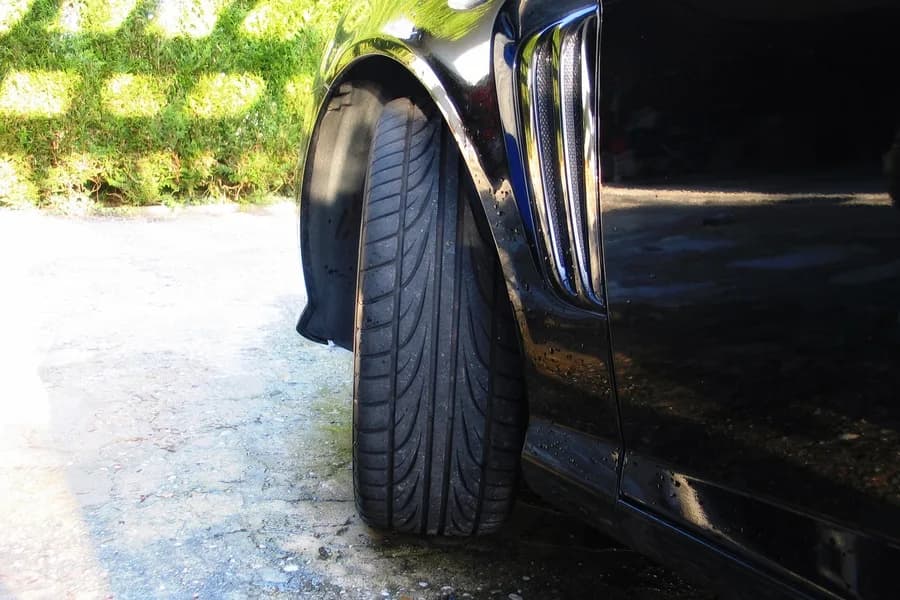
Tires & wheels
Factory sizes by trim, pressures, bolt pattern, lug torque
Wiper blades
Driver, passenger and rear blade lengths
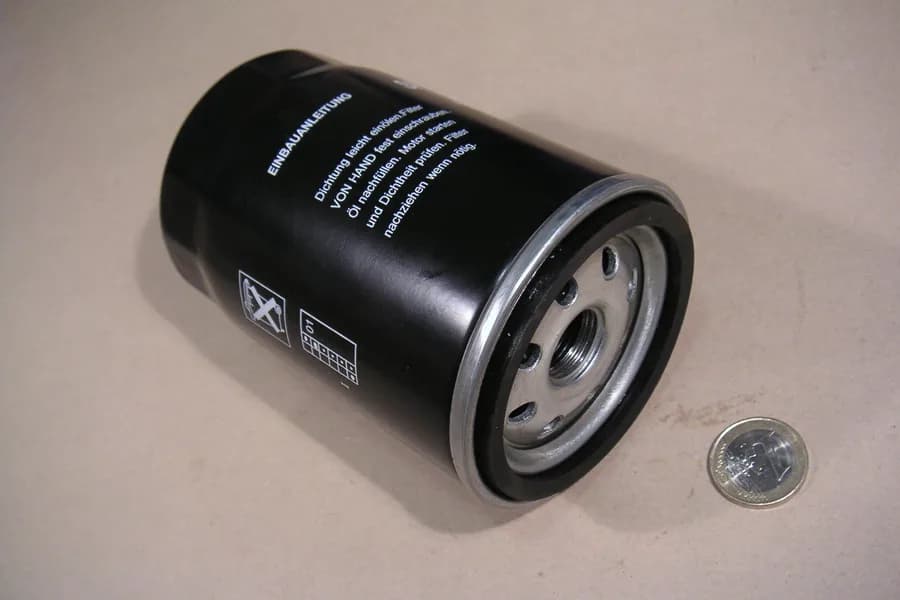
Air & cabin filters
Cabin and engine air filter part numbers, locations, intervals
Bulbs
Headlight, fog and marker bulb types
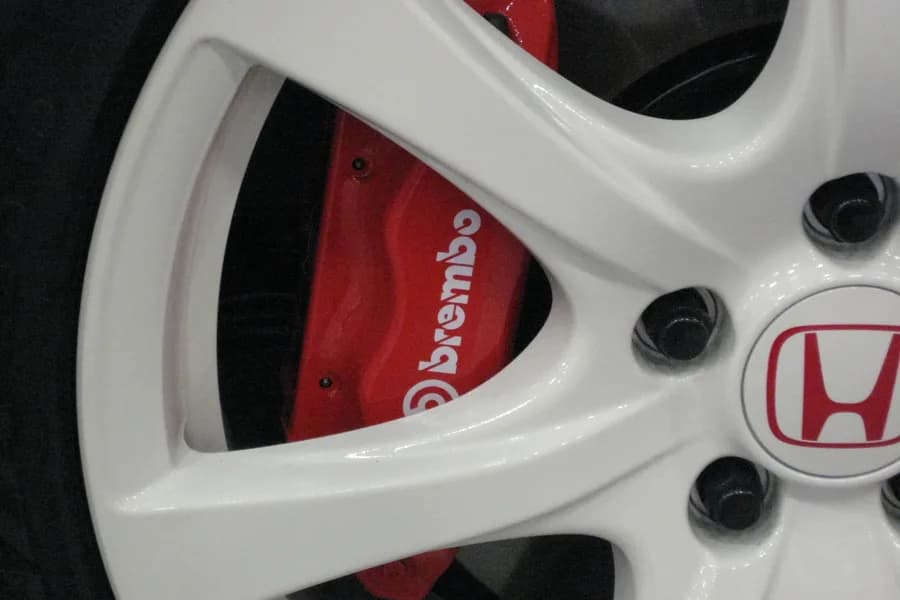
Brakes
Rotor diameters, pad references, service notes
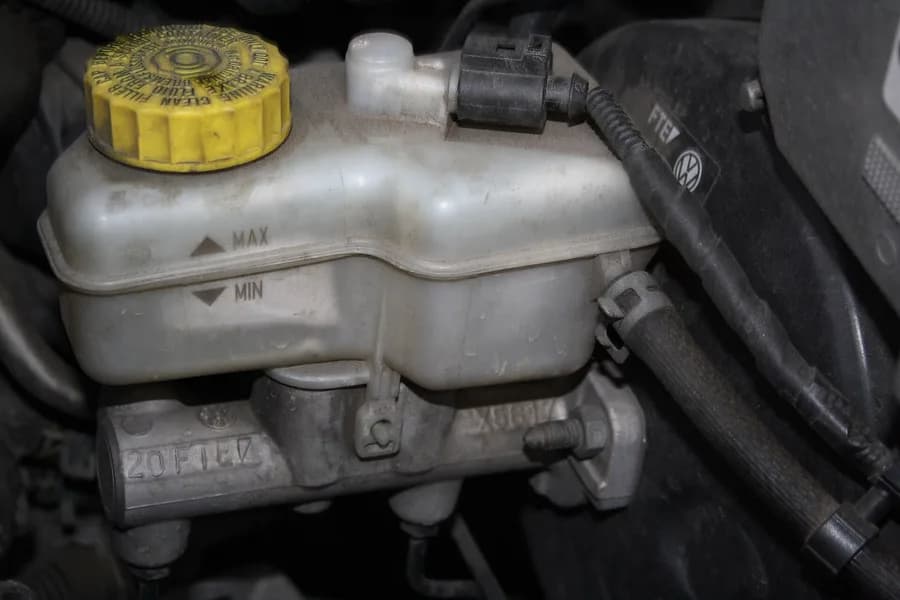
Fluids
Transmission fluid, coolant, brake fluid and capacities

Service schedule
What's actually due at every mileage interval
Problems & reliability
Documented failures, recalls, and which years to avoid
Oil light reset
Step-by-step maintenance light reset, no tools
Key fob battery
Which coin cell the remote takes
Specs
Towing, weight, fuel tank, fuel economy
These specifications are shared across every Sentra of the B17 (7th generation) generation. See the 2013–2019 Nissan Sentra overview for the full picture, or the Nissan Sentra guide to compare every generation.
What changed for the 2016 Nissan Sentra
- 2016Facelift: new front/rear fascias and lights, available LED low beams (SL), updated steering/suspension tune, added driver-assist options
Known problems with the 2016 Nissan Sentra
3 of the 5 issues we track for the 2013–2019 generation are documented against the 2016 model year, and 3 carry a recall or service bulletin.
CVT failure, shudder and overheat derate (the B17's defining problem)
majorNo recall (wear-out, not safety). Stringer v. Nissan & Martinez v. Nissan settlements; multiple judder TSBs (e.g. NTB16-121 family)The JATCO CVT (RE0F11A) in 2013–2019 Sentras shudders on acceleration, whines, hesitates ('rubber-band' lag), overheats into a limp/derate mode on long grades, and fails outright far more often than average, CarComplaints logs average replacement costs around $3,500–$3,900. Two class actions resulted: Stringer/Batista (2013–2017 Sentra) extended the powertrain warranty on the transmission to 84 months/84,000 miles, and Martinez (2018–2019 Sentra) added a 24-month/24,000-mile extension with BBB-administered arbitration. Outside coverage, the economical fix is a reman unit; fresh NS-3 fluid every 30–60k helps but doesn't cure a failing unit.
Typical cost: $0 under extended warranty; $3,000–$4,600 for CVT replacement out of coverage
Passenger airbag deactivates with an adult seated (OCS recall)
majorNHTSA 16V-242 and 16V-244 (supersede 13V-069)The occupant-classification system can wrongly decide the front passenger seat is empty or child-occupied and switch the airbag off, shown by the OFF indicator staying lit with an adult aboard. Part of Nissan's 3.2-million-vehicle OCS recall; dealers reprogram the ECU and, where needed, replace seat sensors free.
Typical cost: Free under recall
Brake light switch contamination (recall)
moderateNHTSA 21V-135Silicon vapor contamination inside the stop-lamp switch can keep the brake lights from illuminating, and since the switch also gates the shifter and push-button start, symptoms include a car that won't shift out of Park or start. Dealers replace the switch free under recall.
Typical cost: Free under recall; ~$80–$150 otherwise
2 more issues reported in other 2013–2019 years
- Automatic Emergency Braking false activations, 2018–2019
- Fuel tank sealing defect on early 2013 builds (recall), 2013 (built 9/11/2012–10/4/2012)
Full detail, costs and sources on the Nissan Sentra problems and years to avoid guide.
Which engines were offered in the 2016 Sentra?
| Engine | Trims | Oil | Oil capacity |
|---|---|---|---|
| 1.8L 4-cylinder (MRA8DE) | S, FE+ S, SV, SR, SL (130 hp 2013–2016; re-rated 124 hp for 2017–2019) | 0W-20 | 4.2 qt |
About the Nissan Sentra
The Nissan Sentra is Nissan's compact sedan, and the 2012–2025 span covers three distinct cars whose ownership questions revolve heavily around one component: the CVT. 5L SE-R and SE-R Spec V in their final year. 6L turbo in the SR Turbo and NISMO; it is also the generation with the worst documented CVT failure record, which produced two class-action settlements (Stringer: 2013–2017, warranty extended to 84 months/84,000 miles; Martinez: 2018–2019, a 24-month/24,000-mile extension) plus a big passenger-airbag occupant-classification recall.
0L MR20DD and a more durable CVT, but it had its own headline recall for tie rods that can bend after curb impacts (expanded twice, finally as NHTSA 23V-581). Across all years maintenance stays cheap: the same 15208-65F0E spin-on oil filter fits every engine, lug torque is 83 ft-lb on every generation, and the key fob takes a CR2025 (through 2019) or CR2032 (2020+). The big-ticket items owners research are CVT fluid type (NS-2 vs NS-3. Never interchangeable) and CVT warranty coverage.
For how the specifications changed across every generation, see the full Nissan Sentra guide.
Other Nissan Sentra years
Sources
- 2017 Nissan Sentra Owner's Manual (oil, capacities, NS-3, tires, bulbs, CR2025)
- 2013 Sentra Factory Service Manual, Engine Lubrication (4.0 L with filter)
- BBB National Programs, Nissan CVT Stringer class action (2013–2017 Sentra, 84 mo/84k)
- Martinez v. Nissan CVT settlement (2018–2019 Sentra, 24 mo/24k extension)
- NHTSA recall 16V-244, occupant classification system
- NHTSA recall 21V-135, brake light switch, 2016–2019 Sentra
- Nissan parts. 15208-65F0E oil filter (fits 1995–2021 Sentra)
- CarComplaints, 2013 Sentra CVT transmission failure
- fueleconomy.gov, 2014/2017 Sentra EPA ratings