
AD (6th generation) · 2017–2020 · Compact sedan
2017 Hyundai Elantra parts and specs
Everything you need to own and maintain this exact model year. Verified specifications, part numbers, and the problems that recur, in one place.
Last verified
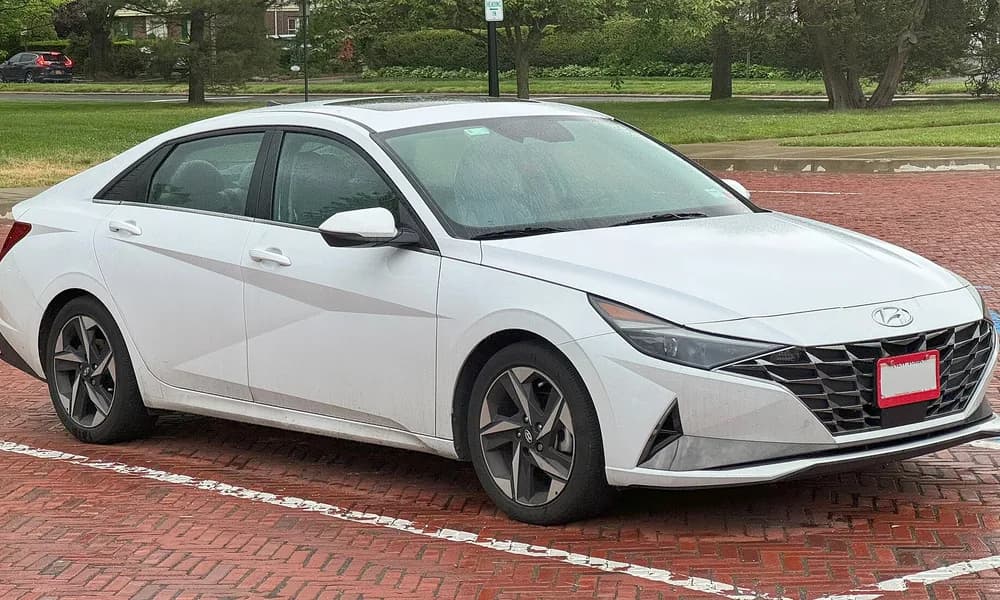
Quick facts
Specifications for the 2017–2020 Elantra
Oil & filter
Viscosity, capacity, filter part numbers, change interval
Battery
BCI group size, cold cranking amps, AGM or flooded
Tires & wheels
Factory sizes by trim, pressures, bolt pattern, lug torque
Wiper blades
Driver, passenger and rear blade lengths
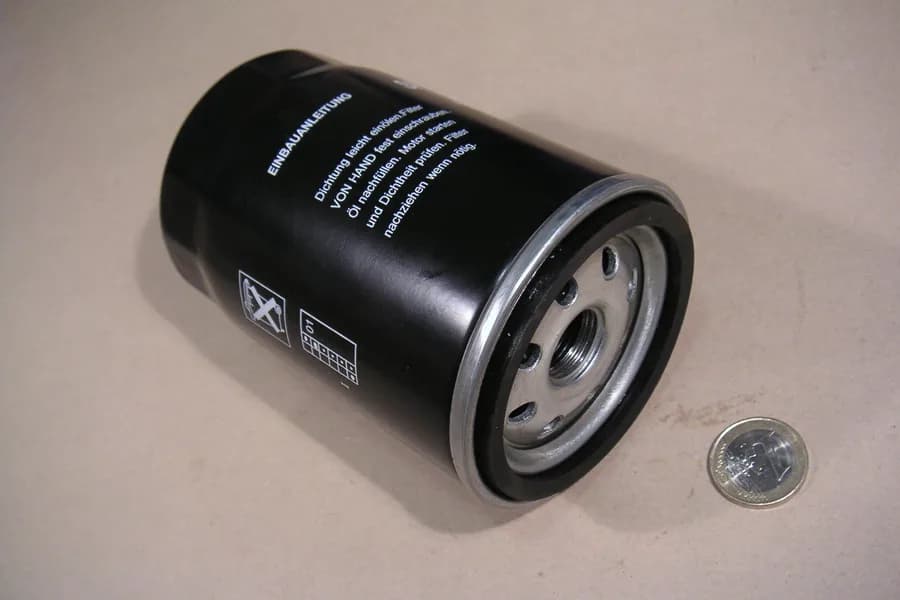
Air & cabin filters
Cabin and engine air filter part numbers, locations, intervals
Bulbs
Headlight, fog and marker bulb types
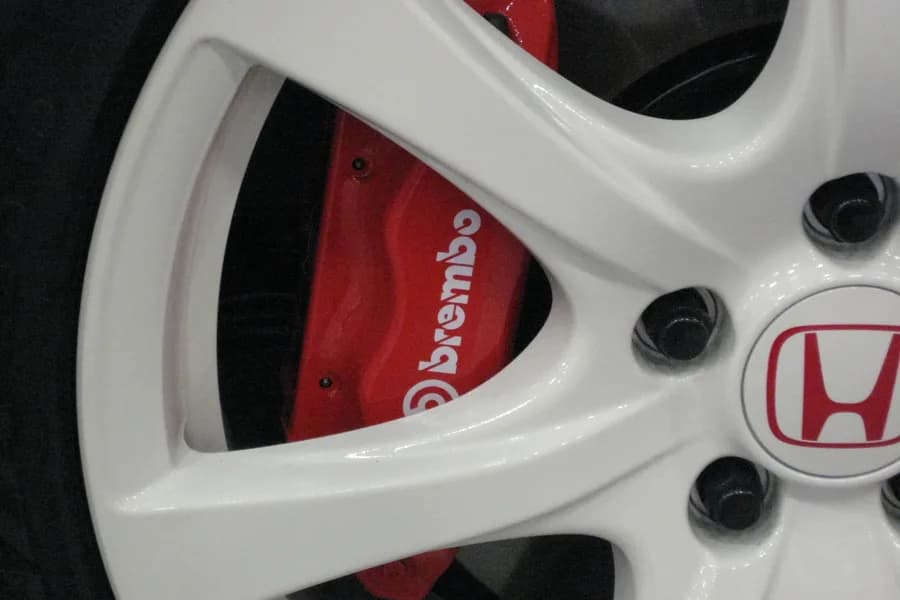
Brakes
Rotor diameters, pad references, service notes
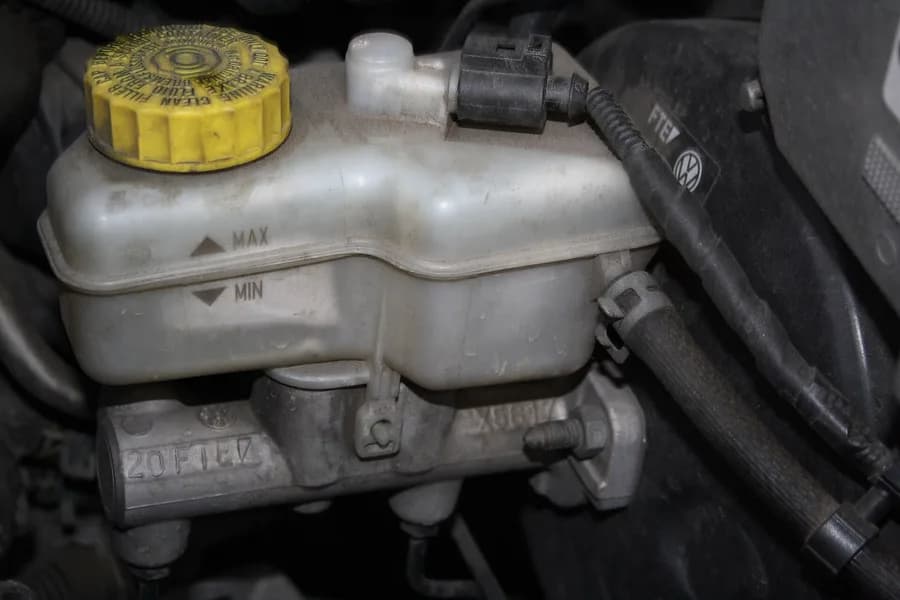
Fluids
Transmission fluid, coolant, brake fluid and capacities

Service schedule
What's actually due at every mileage interval
Problems & reliability
Documented failures, recalls, and which years to avoid
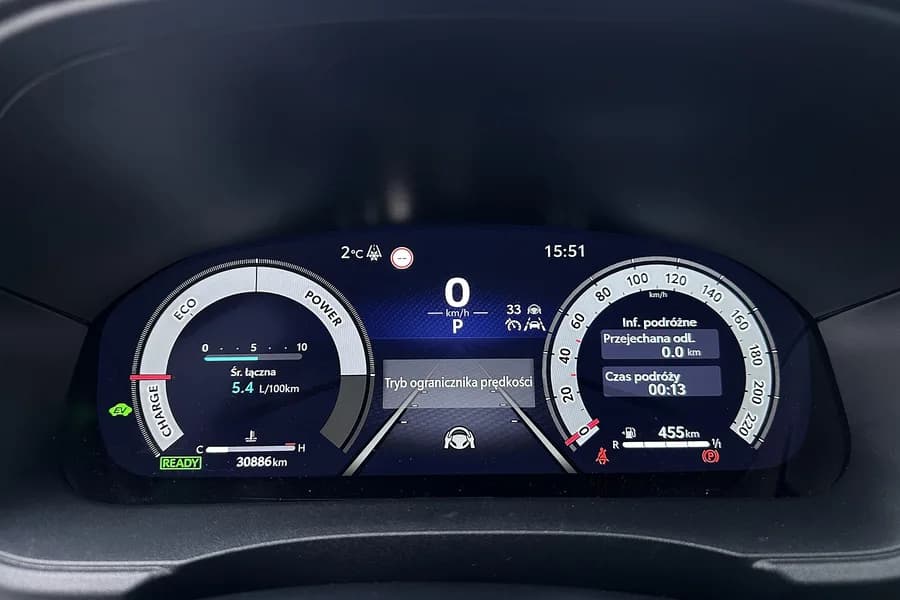
Oil light reset
Step-by-step maintenance light reset, no tools
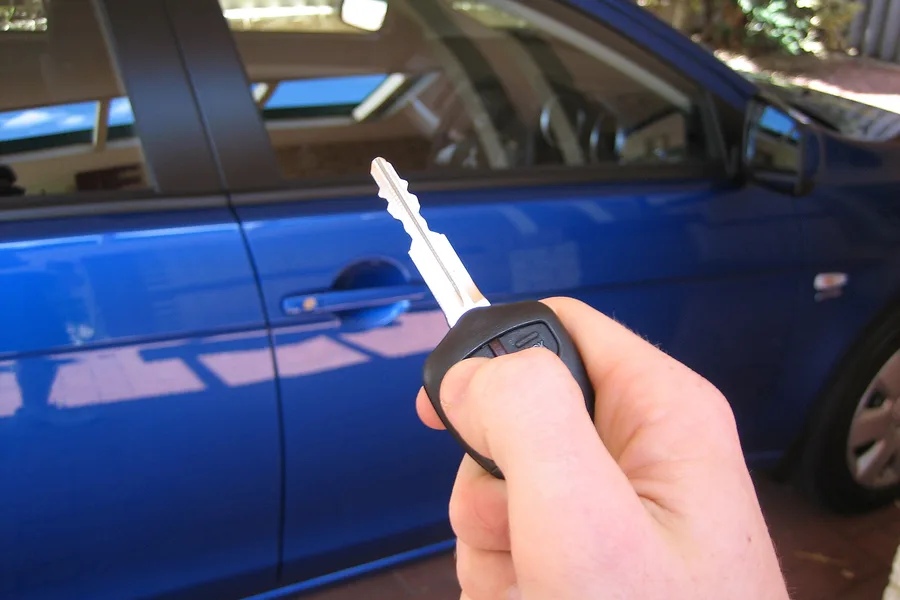
Key fob battery
Which coin cell the remote takes
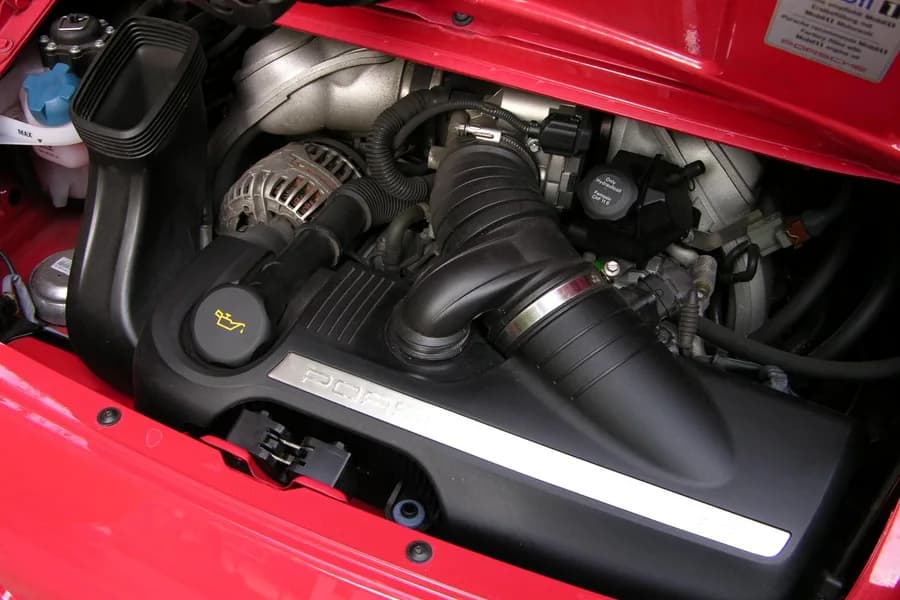
Specs
Towing, weight, fuel tank, fuel economy
These specifications are shared across every Elantra of the AD (6th generation) generation. See the 2017–2020 Hyundai Elantra overview for the full picture, or the Hyundai Elantra guide to compare every generation.
What changed for the 2017 Hyundai Elantra
- 2017AD generation launch; 2.0L MPI base engine, 1.4T Eco introduced
Known problems with the 2017 Hyundai Elantra
5 of the 6 issues we track for the 2017–2020 generation are documented against the 2017 model year, and 4 carry a recall or service bulletin.
Electric power steering (MDPS) connector failure, loss of assist (recall)
majorNHTSA 17V-213A damaged Motor-Driven Power Steering connector can cause a sudden loss of power steering assist while driving, making the car much harder to turn at low speed. Hyundai recalled 2017 Elantras for dealers to inspect and repair the connector.
Typical cost: Free under recall
Brake booster failure, loss of power brake assist (recall)
majorNHTSA 17V-063The vacuum brake booster on certain 2017 Elantras can fail, requiring significantly more pedal force to stop the car and increasing stopping distance. Dealers inspect and replace the booster as needed, free of charge.
Typical cost: Free under recall
Driver's frontal airbag inflator defects (recall)
majorNHTSA 16V-232, 16V-956Two separate campaigns affected early AD-generation Elantras: a missing chemical enhancer needed for proper second-stage inflation, and an improperly installed inflator end seal that could reduce inflation. Both are inspected/repaired free at the dealer; unrelated to the industry-wide Takata inflator recalls but similarly safety-critical.
Typical cost: Free under recall
Turbo engine (1.4T/1.6T) tick and oil-consumption complaints
moderateHyundai Engine II class-action settlement (2022). Check VIN eligibilityLike the MPI Nu engine, the direct-injection Kappa 1.4T and Gamma 1.6T draw a steady stream of owner complaints about a light engine tick at idle and above-average oil consumption on higher-mileage cars. Most are resolved under Hyundai's extended engine warranty or the 2022 class-action settlement when they qualify; keep oil-change records and check the dipstick between changes.
Typical cost: $0 (top-offs, warranty) to $4,000+ for an out-of-warranty short block
Infotainment freezing / Bluetooth dropouts (owner-reported)
minorEarly AD head units occasionally freeze or drop Bluetooth pairing, usually resolved with a firmware update at the dealer. Not a safety issue.
Typical cost: Free (software update)
1 more issue reported in other 2017–2020 years
- 2.0L Nu MPI piston oil ring defect / engine damage (recall), 2019–2020
Full detail, costs and sources on the Hyundai Elantra problems and years to avoid guide.
Which engines were offered in the 2017 Elantra?
| Engine | Trims | Oil | Oil capacity |
|---|---|---|---|
| 2.0L 4-cylinder MPI (Nu) | SE, SEL, Value Edition, Limited | 5W-20 | 4.2 qt |
| 1.4L Turbo (Kappa T-GDI, Eco) | Eco | 5W-30 | 4.4 qt |
| 1.6L Turbo (Gamma T-GDI, Sport) | Sport | 5W-30 | 4.8 qt |
About the Hyundai Elantra
The Hyundai Elantra is a compact sedan that has spent the last decade and a half undercutting the Civic and Corolla on price while matching them on warranty coverage (Hyundai's 10-year/100,000-mile powertrain warranty follows the original owner). 0L Nu GDI in the sportier Coupe/GT/Sport trims), simple, chain-driven engines with a genuinely different reliability record than the Theta II engines that plagued Sonata/Santa Fe of the same era, though Hyundai still extended engine warranties for a subset of Nu-engine oil-consumption and knock complaints (the 2022 "Hyundai Engine II" class-action settlement). 0L cars whose piston oil rings weren't properly heat-treated.
0L turbo Elantra N hot hatch-turned-sedan (276 hp). Across all three generations the recurring theme for owners is Hyundai's aggressive recall posture, seat belt pretensioners, airbag inflators, an ABS module that could leak brake fluid and short internally (fire risk, recall 23V-651 covering 2011–2015 cars), and steering/brake-booster campaigns on early AD cars, most fixed free at the dealer. Maintenance itself is inexpensive and interval-driven: 5W-20 or 5W-30 oil in the naturally-aspirated engines (0W-20/5W-30 in the turbos and hybrid), a shared spin-on oil filter across nearly the whole lineup, and a CR2032 key fob battery throughout.
For how the specifications changed across every generation, see the full Hyundai Elantra guide.
Other Hyundai Elantra years
Sources
- Ontario Hyundai, Elantra oil type & capacity by model year (all AD engines)
- AMSOIL lookup, 2018 Elantra 2.0L MPI oil spec/capacity
- AMSOIL lookup, 2018 Elantra 1.4L Turbo oil spec/capacity
- AMSOIL lookup (CA), 2018 Elantra 1.6L Turbo oil spec/capacity
- NHTSA recall 21V-301, 2.0L Nu MPI piston oil ring defect
- NHTSA recall 17V-213, MDPS steering connector
- NHTSA recall 17V-063, brake booster failure
- Hyundai Motor America press release, 2022 Engine II litigation settlement
- Edmunds, 2018 Elantra specs (curb weight, fuel tank, mpg)
- Cabin air filter 97133-F2000 fitment (2017–2023 Elantra)
- Engine air filter 28113-F2000 fitment (2017–2020 Elantra)