
MD/UD (5th generation) · 2012–2016 · Compact sedan (also sold as Coupe 2013–2014 and GT 5-door hatchback through 2016 on the related UD platform)
2016 Hyundai Elantra parts and specs
Everything you need to own and maintain this exact model year. Verified specifications, part numbers, and the problems that recur, in one place.
Last verified
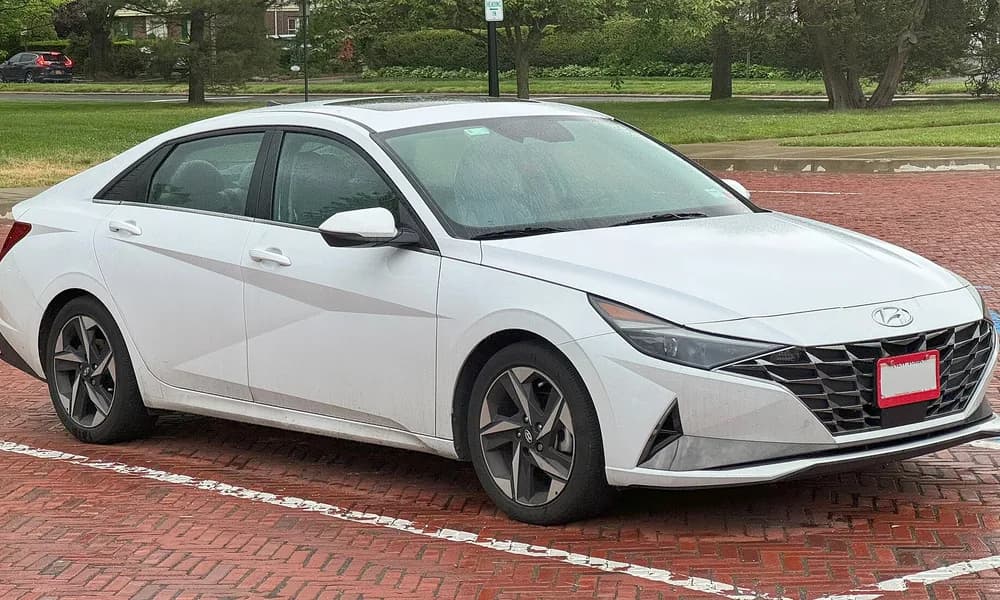
Quick facts
Specifications for the 2012–2016 Elantra
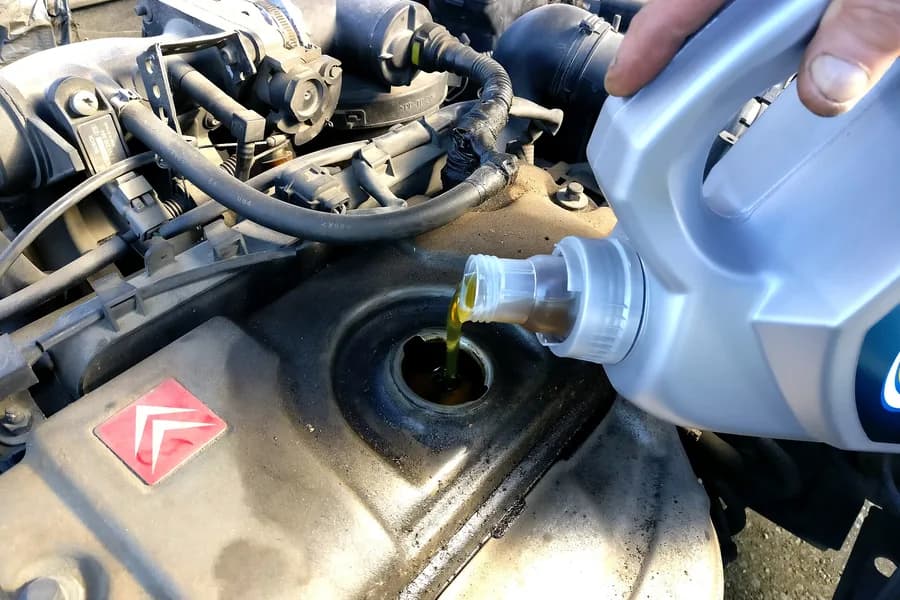
Oil & filter
Viscosity, capacity, filter part numbers, change interval
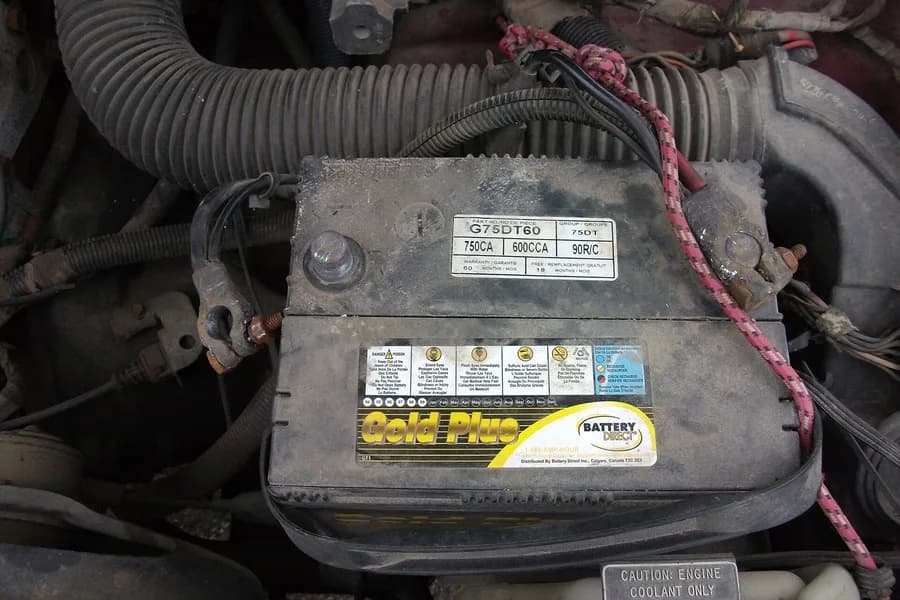
Battery
BCI group size, cold cranking amps, AGM or flooded
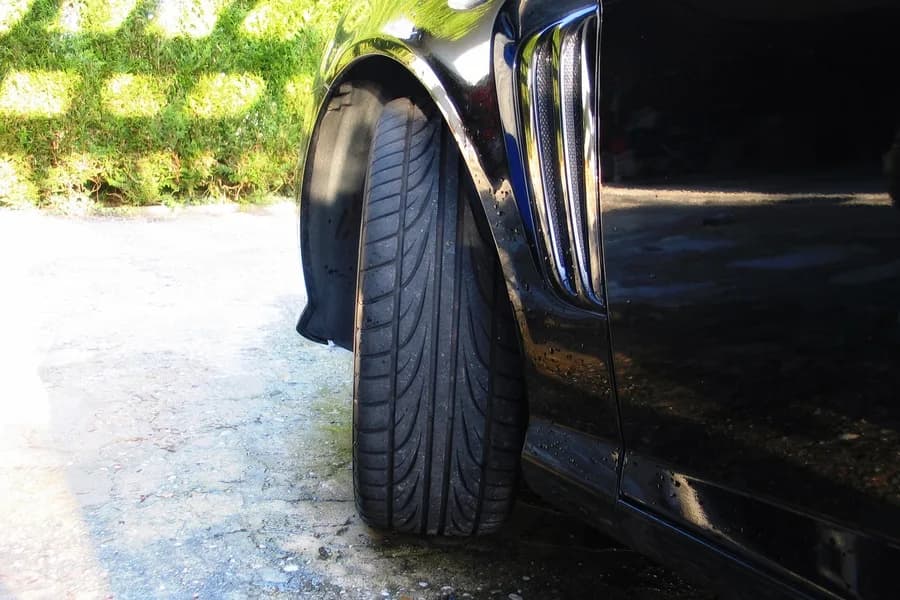
Tires & wheels
Factory sizes by trim, pressures, bolt pattern, lug torque
Wiper blades
Driver, passenger and rear blade lengths
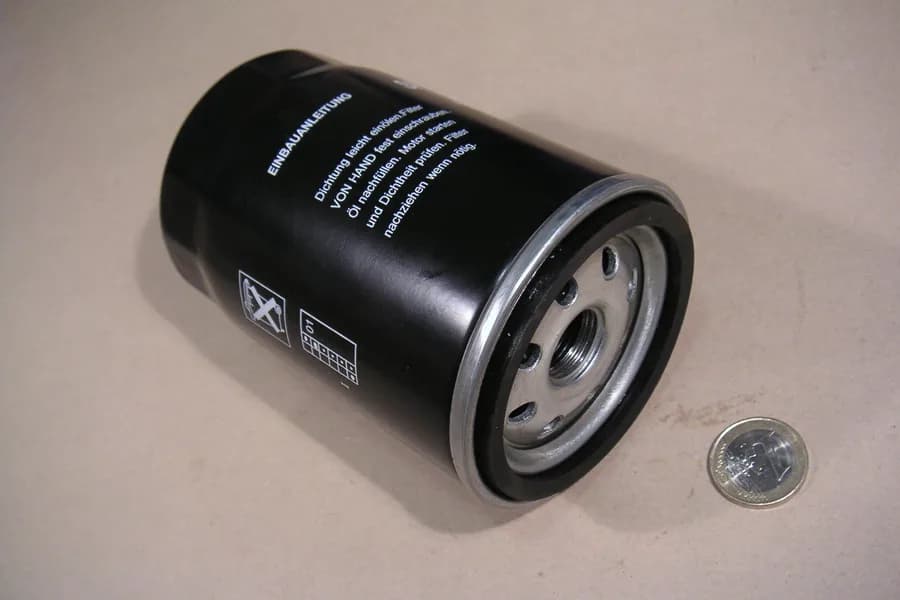
Air & cabin filters
Cabin and engine air filter part numbers, locations, intervals
Bulbs
Headlight, fog and marker bulb types
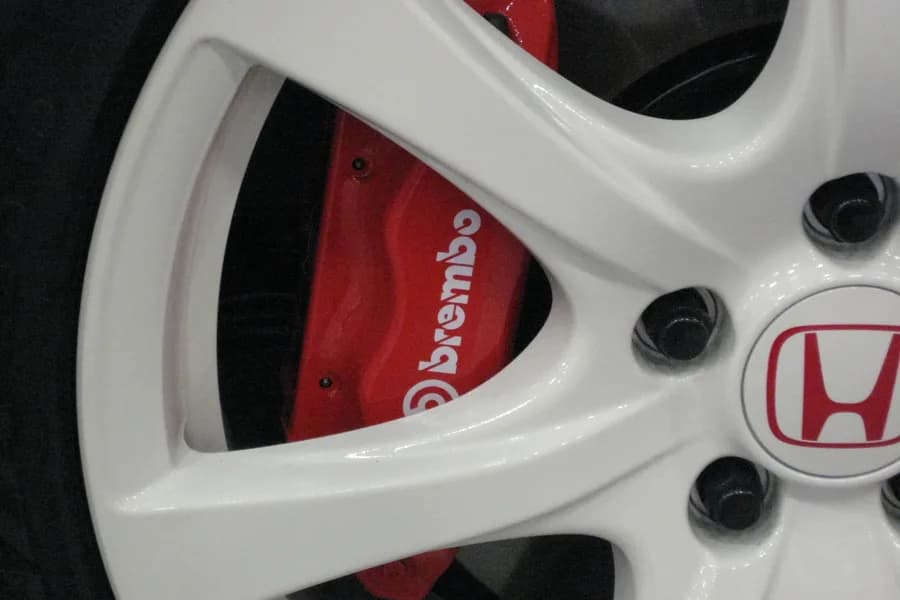
Brakes
Rotor diameters, pad references, service notes
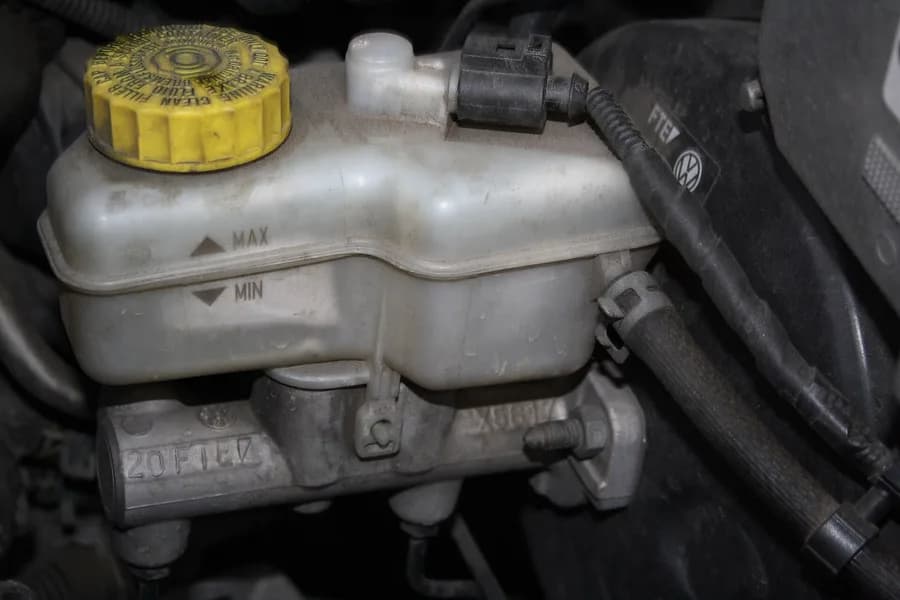
Fluids
Transmission fluid, coolant, brake fluid and capacities
Service schedule
What's actually due at every mileage interval
Problems & reliability
Documented failures, recalls, and which years to avoid
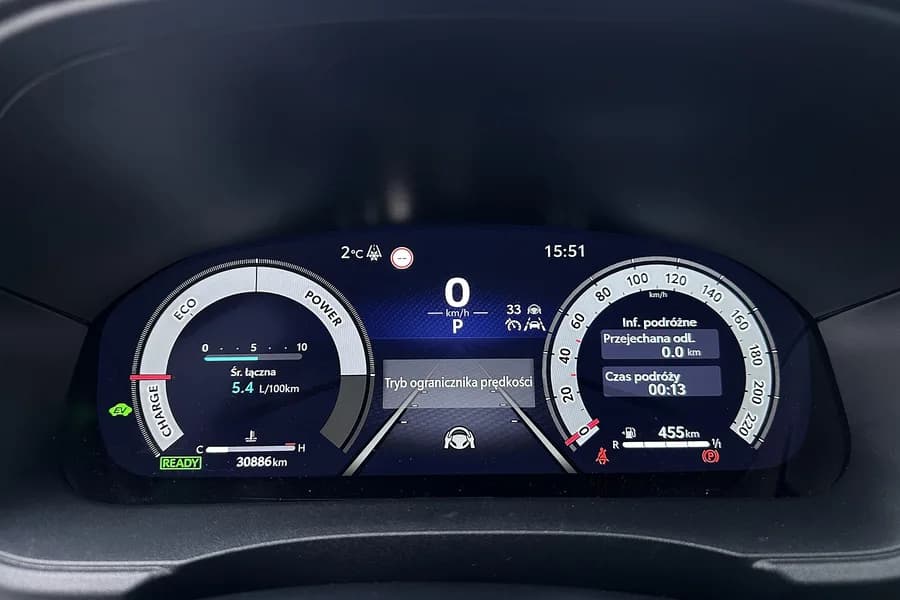
Oil light reset
Step-by-step maintenance light reset, no tools
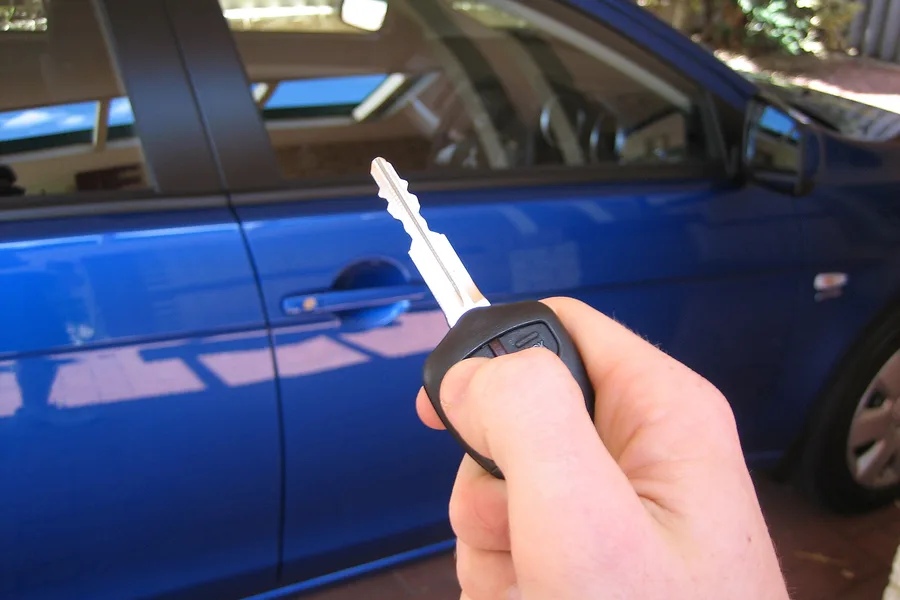
Key fob battery
Which coin cell the remote takes
Specs
Towing, weight, fuel tank, fuel economy
These specifications are shared across every Elantra of the MD/UD (5th generation) generation. See the 2012–2016 Hyundai Elantra overview for the full picture, or the Hyundai Elantra guide to compare every generation.
What changed for the 2016 Hyundai Elantra
- 2015–2016Sedan carries over largely unchanged in its final two years before the AD redesign; GT hatchback continues into 2017 on the related UD platform after the sedan moves to AD
Known problems with the 2016 Hyundai Elantra
2 of the 5 issues we track for the 2012–2016 generation are documented against the 2016 model year, and 1 carries a recall or service bulletin.
Nu-engine oil consumption / tick and warranty-extension settlement
moderateHyundai Engine II class-action settlement (2022); check VIN eligibility at hma-e2settlement.comA subset of 1.8L/2.0L Nu engines burn oil faster than spec or develop an audible tick, prompting owner complaints and a 2022 class-action settlement ("Hyundai Engine II") that extended warranty coverage for qualifying engine failures on Nu- and Lambda-family engines. It is far less severe and less common than the Theta II bearing-failure/engine-fire issue on Sonata and Santa Fe of the same years. Don't conflate the two, but it's worth checking oil level between changes on a used example.
Typical cost: $0 (oil top-offs) to $3,000–$5,000 for an out-of-warranty short block
Panoramic sunroof rattles and wind noise (owner-reported)
minorCars with the optional panoramic sunroof commonly develop rattles from the sunshade track and wind noise at highway speed as the seals age. Not a safety issue; dealer adjustment or aftermarket felt/seal kits usually resolve it.
Typical cost: $0 (DIY seal kit) to $200 (dealer adjustment)
3 more issues reported in other 2012–2016 years
- ABS module internal brake-fluid leak / engine bay fire risk (recall), 2012–2015
- Electronic stability control unintended braking (recall), 2012
- Side curtain airbag headliner bracket displacement (recall), 2012–2013
Full detail, costs and sources on the Hyundai Elantra problems and years to avoid guide.
Which engines were offered in the 2016 Elantra?
| Engine | Trims | Oil | Oil capacity |
|---|---|---|---|
| 1.8L 4-cylinder (Nu, G4NB) | GLS, SE, Limited, Blue, Coupe GS/SE (base engine on all non-GDI trims) | 5W-20 | 4.2 qt |
| 2.0L 4-cylinder GDI (Nu, G4NA) | Elantra Sport sedan (2013–2014), Elantra Coupe SE 2.0 (2013–2014), Elantra GT (2013–2016) | 5W-20 | 4.2 qt |
About the Hyundai Elantra
The Hyundai Elantra is a compact sedan that has spent the last decade and a half undercutting the Civic and Corolla on price while matching them on warranty coverage (Hyundai's 10-year/100,000-mile powertrain warranty follows the original owner). 0L Nu GDI in the sportier Coupe/GT/Sport trims), simple, chain-driven engines with a genuinely different reliability record than the Theta II engines that plagued Sonata/Santa Fe of the same era, though Hyundai still extended engine warranties for a subset of Nu-engine oil-consumption and knock complaints (the 2022 "Hyundai Engine II" class-action settlement). 0L cars whose piston oil rings weren't properly heat-treated.
0L turbo Elantra N hot hatch-turned-sedan (276 hp). Across all three generations the recurring theme for owners is Hyundai's aggressive recall posture, seat belt pretensioners, airbag inflators, an ABS module that could leak brake fluid and short internally (fire risk, recall 23V-651 covering 2011–2015 cars), and steering/brake-booster campaigns on early AD cars, most fixed free at the dealer. Maintenance itself is inexpensive and interval-driven: 5W-20 or 5W-30 oil in the naturally-aspirated engines (0W-20/5W-30 in the turbos and hybrid), a shared spin-on oil filter across nearly the whole lineup, and a CR2032 key fob battery throughout.
For how the specifications changed across every generation, see the full Hyundai Elantra guide.
Other Hyundai Elantra years
Sources
- AMSOIL lookup, 2012 Elantra 1.8L oil spec/capacity
- AMSOIL lookup, 2014 Elantra 2.0L GDI oil spec/capacity
- PR Newswire, 2014 Hyundai Elantra Coupe 2.0L GDI 'Nu' engine specs (173 hp)
- NHTSA recall 23V-651, ABS module internal leak / fire risk
- NHTSA recall 15V-871, ESC unintended braking
- NHTSA recall 13V-115, side curtain airbag bracket
- Hyundai Nu Engine class-action settlement overview, BBB National Programs
- Hyundai Motor America press release, 2022 Engine II litigation settlement
- fueleconomy.gov, 2013 Elantra EPA ratings (all trims)
- Edmunds, 2013 Elantra specs (curb weight, fuel tank)
- Hyundai/Kia OEM oil filter 26300-35505 fitment listing
- wheel-size.com, Elantra MD/UD OE tire and wheel fitments