
BT (6th generation) · 2020–2025 · Mid-size wagon/crossover (Subaru Global Platform)
2020 Subaru Outback parts and specs
Everything you need to own and maintain this exact model year. Verified specifications, part numbers, and the problems that recur, in one place.
Last verified
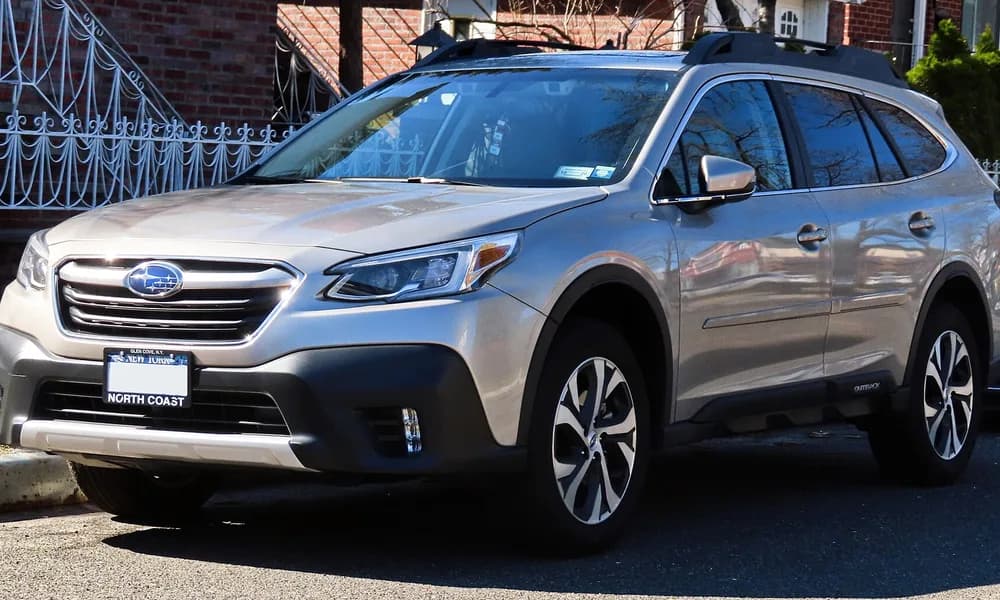
Quick facts
Specifications for the 2020–2025 Outback
Oil & filter
Viscosity, capacity, filter part numbers, change interval
Battery
BCI group size, cold cranking amps, AGM or flooded
Tires & wheels
Factory sizes by trim, pressures, bolt pattern, lug torque
Wiper blades
Driver, passenger and rear blade lengths
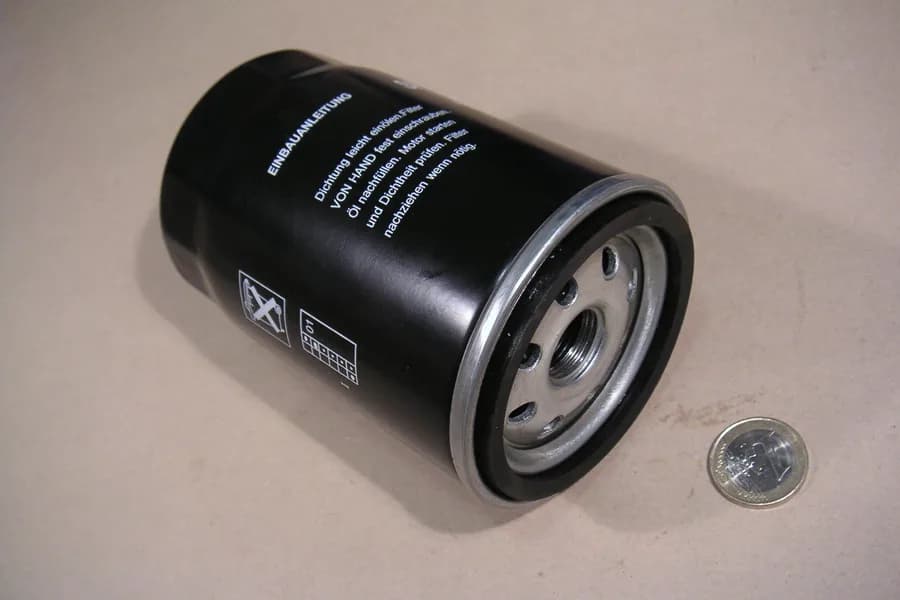
Air & cabin filters
Cabin and engine air filter part numbers, locations, intervals
Bulbs
Headlight, fog and marker bulb types
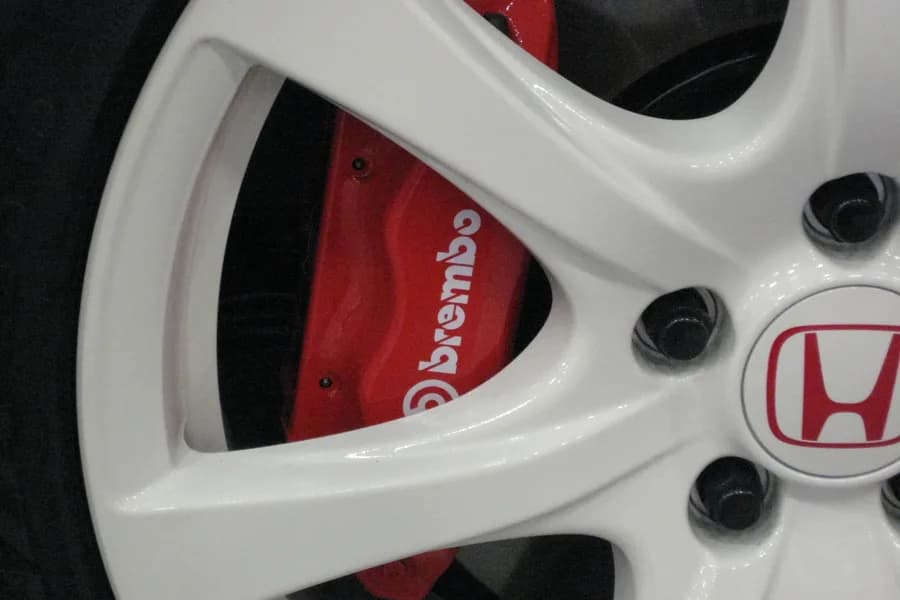
Brakes
Rotor diameters, pad references, service notes
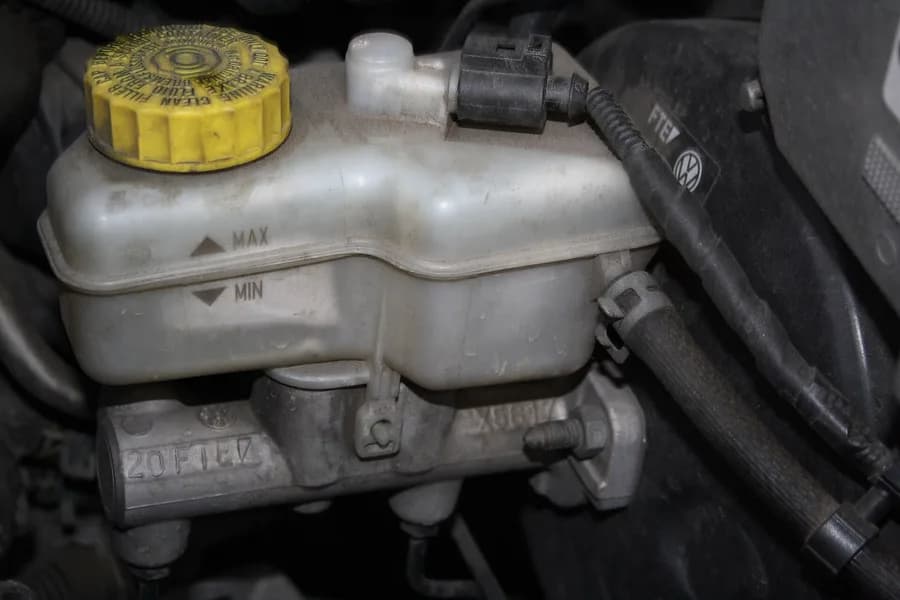
Fluids
Transmission fluid, coolant, brake fluid and capacities
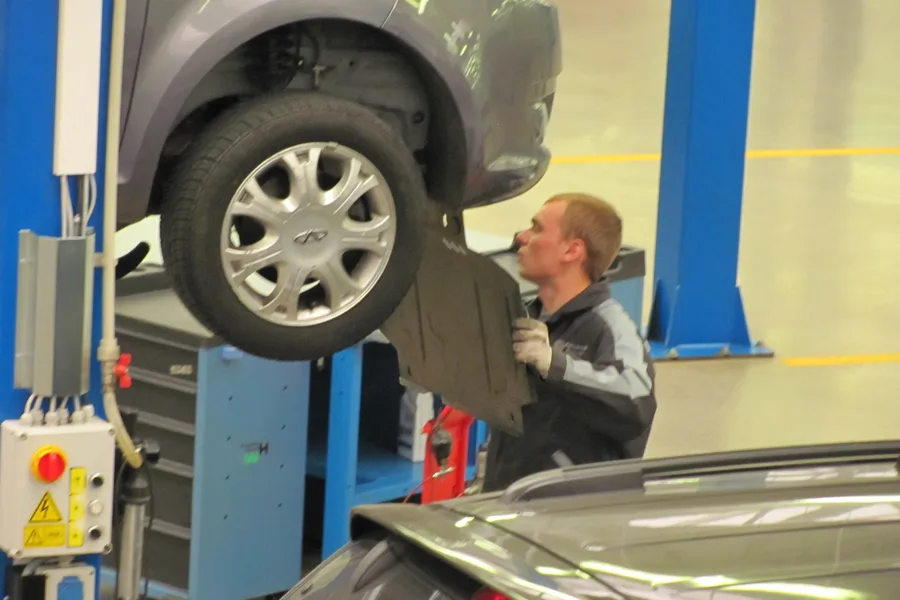
Service schedule
What's actually due at every mileage interval
Problems & reliability
Documented failures, recalls, and which years to avoid
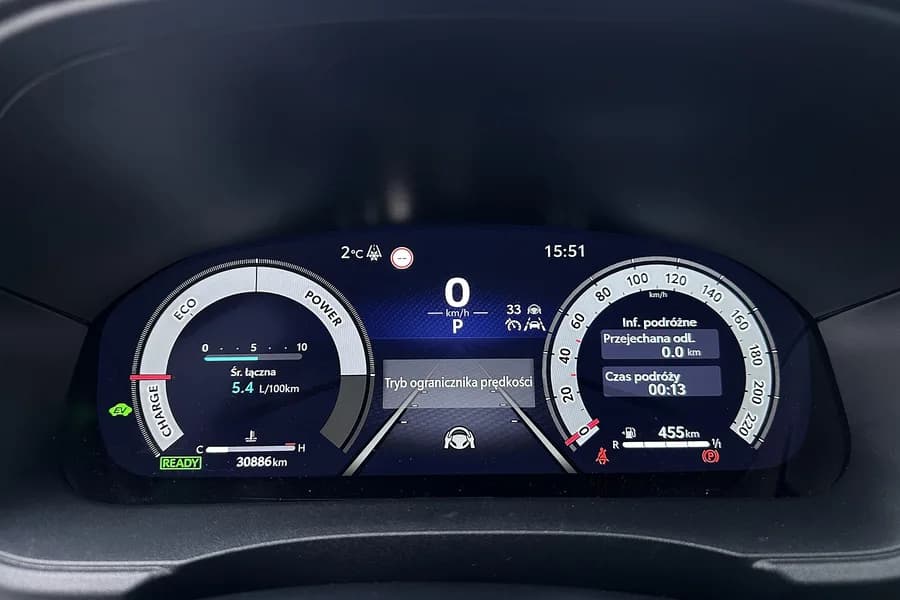
Oil light reset
Step-by-step maintenance light reset, no tools
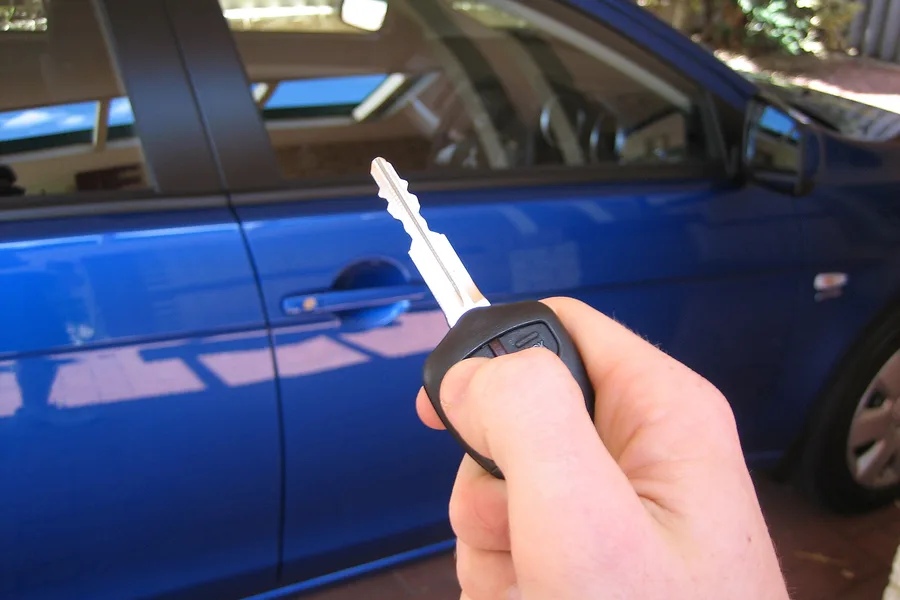
Key fob battery
Which coin cell the remote takes
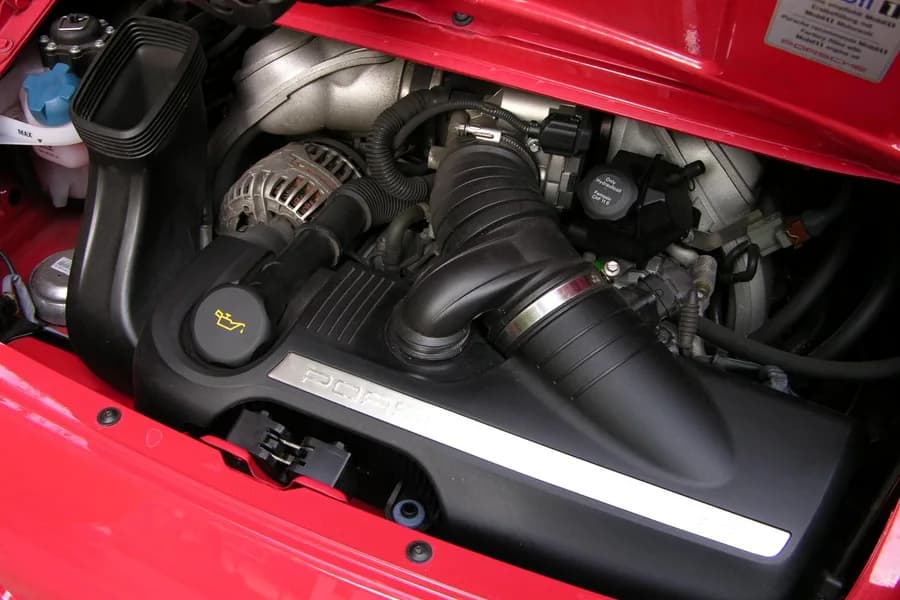
Specs
Towing, weight, fuel tank, fuel economy
These specifications are shared across every Outback of the BT (6th generation) generation. See the 2020–2025 Subaru Outback overview for the full picture, or the Subaru Outback guide to compare every generation.
What changed for the 2020 Subaru Outback
- 2020Generation launch on the Subaru Global Platform; direct-injected FB25D replaces the port-injected FB25; 3.6R/EZ36 discontinued; EyeSight standard
Known problems with the 2020 Subaru Outback
6 of the 6 issues we track for the 2020–2025 generation are documented against the 2020 model year, and 5 carry a recall or service bulletin.
Brake pedal mounting bracket bolt (recall)
majorNHTSA 19V-664 (Subaru campaign WUL-97)On certain early-production 2020 Outback and Legacy vehicles, the brake pedal mounting bracket has a missing or insufficiently tightened bolt, which can let the pedal mounting area deform and reduce braking performance. Subaru recalled the affected VINs; dealers inspect and tighten or replace the hardware free of charge.
Typical cost: Free under recall
Front passenger airbag sensor short circuit (recall)
majorNHTSA 24V-227A capacitor in the front passenger occupant-detection sensor can short-circuit, which can prevent the front passenger airbag from deploying in a crash. Subaru recalled about 118,723 2020–2022 Outback and Legacy vehicles; dealers replace the sensor free of charge.
Typical cost: Free under recall
Spontaneous windshield cracking (class action settlement)
moderatePowell v. Subaru of America, Inc.As with the prior generation, owners of 2020–2022 Legacy and Outback (and 2019–2022 Ascent/Forester) reported windshields cracking or chipping with no apparent impact. A class action (Powell v. Subaru of America, Inc.) settled with an extended warranty for qualifying windshield claims experienced on or after the settlement's notice date, plus reimbursement options for prior repairs.
Typical cost: Covered under the settlement's extended warranty for qualifying cracks; $400–$1,200+ out of pocket including ADAS/EyeSight camera recalibration
Parasitic battery drain (ongoing litigation)
moderateTaylor, et al. v. Subaru of America, Inc., No. 2:26-cv-4935 (D.N.J.), pending as of 2026Owners report the 12V battery draining dead after the car sits for a day or two, often traced to a control module failing to enter its low-power sleep state. The earlier 2015–2020 settlement (see BS generation) covers 2020 model-year Outbacks; a newer proposed class action (Taylor, et al. v. Subaru of America, Inc., filed May 2026) alleges the same defect persists across 2019–2025 Subaru vehicles and is still working through the courts as of this writing. It is not yet a settled claim.
Typical cost: $0–$300 for a battery swap that often doesn't fix the underlying drain; monitor for a resolved recall/settlement
CVT chain slip / shudder carried into early production
moderateSubaru CVT customer support program (10-yr/100k extension)Some 2019–2020 model-year vehicles (built on the tail end of the outgoing platform's CVT hardware) exhibit the same shudder/hesitation symptoms as the prior generation. Subaru's 10-year/100,000-mile CVT warranty extension applies to many of these VINs. Check eligibility with Subaru before paying for a CVT repair out of pocket.
Typical cost: Free if within the CVT warranty extension; $3,500–$6,000 for a CVT replacement otherwise
Starlink infotainment glitches and backup camera delay
minorThe 11.6-in (or 6.5/8-in on base trims) touchscreen occasionally freezes, reboots, or shows a delayed backup camera feed. Software updates resolve most cases; persistent issues need a head unit reflash or replacement at the dealer.
Typical cost: $0 (software update) to $1,500+ (head unit replacement)
Full detail, costs and sources on the Subaru Outback problems and years to avoid guide.
Which engines were offered in the 2020 Outback?
| Engine | Trims | Oil | Oil capacity |
|---|---|---|---|
| 2.5L 4-cylinder (FB25D, direct-injected) | Base, Premium, Limited, Touring | 0W-20 | 4.4 qt |
About the Subaru Outback
The Subaru Outback is a jacked-up all-wheel-drive wagon that has outsold most traditional SUVs in its class for over a decade, and the 2010–2025 span covers three generations built on a shared formula: a flat ("boxer") engine, standard symmetrical AWD, and a CVT on nearly every trim. 6L EZ36 six (the six paired to a real 5-speed automatic, not a CVT) and is the generation most associated with early-CVT anxiety, a steering-column recall, and FB25 oil-consumption complaints that ended in a class-action settlement. 6R onto Subaru's High Torque CVT, and is remembered for CVT chain-slip complaints (Subaru quietly extended CVT coverage to 10 years/100,000 miles on many of these), touchscreen/infotainment flakiness, and a spontaneous-windshield-cracking lawsuit.
The BT (2019–2025 production, 2020–2025 model years) rides on the Subaru Global Platform, dropped the six-cylinder in favor of a direct-injected FB25D four and, starting with the 2022 Wilderness trim, an optional 260-hp turbocharged FA24F four, plus EyeSight driver assist standard across the range; it has its own recall history (a brake-pedal bolt recall right out of the gate, a passenger airbag-sensor recall, more windshield-cracking claims) and an ongoing parasitic-battery-drain lawsuit. Across all three generations maintenance is Subaru-typical: 6,000-mile/6-month full-synthetic oil changes (3,000/3 in severe service), a class-leading 11-year/137,500-mile first coolant interval, a Group 35 battery, and 89 ft-lb lug torque. The CVT is the component owners worry about most.
Factory fluid-change guidance is generous (many owners change it well before Subaru's official interval), and a failed unit is the single most expensive repair on any of these three generations.
For how the specifications changed across every generation, see the full Subaru Outback guide.
Other Subaru Outback years
Sources
- Wikipedia, Subaru FB engine (FB25D direct-injection, 2020 Outback/Legacy)
- AMSOIL lookup, 2022 Outback 2.4L FA24 turbo oil spec/capacity
- NHTSA, 19V-664 brake pedal mounting bracket recall (WUL-97)
- NHTSA, 24V-227 front passenger airbag sensor recall
- Out Motorsports, 2022 Outback Wilderness review (260 hp FA24F introduction)
- classaction.org, Subaru lawsuit: 2019–2025 vehicles, parasitic battery drain (Taylor v. Subaru)
- AutoZone, 2023 Outback wiper blade fitment (26/18/16)
- Edmunds, 2023 Subaru Outback review (XT/Wilderness turbo trim lineup)