2010–2025 · 3 generations
Subaru Outback Parts, Specs and Maintenance Guide
Every maintenance specification for the 2010–2025 Subaru Outback, organised by generation. Pick a topic for the full picture across every year, or jump straight to your model year.
Last verified

Quick facts: 2020–2025 Outback
Subaru Outback maintenance guides
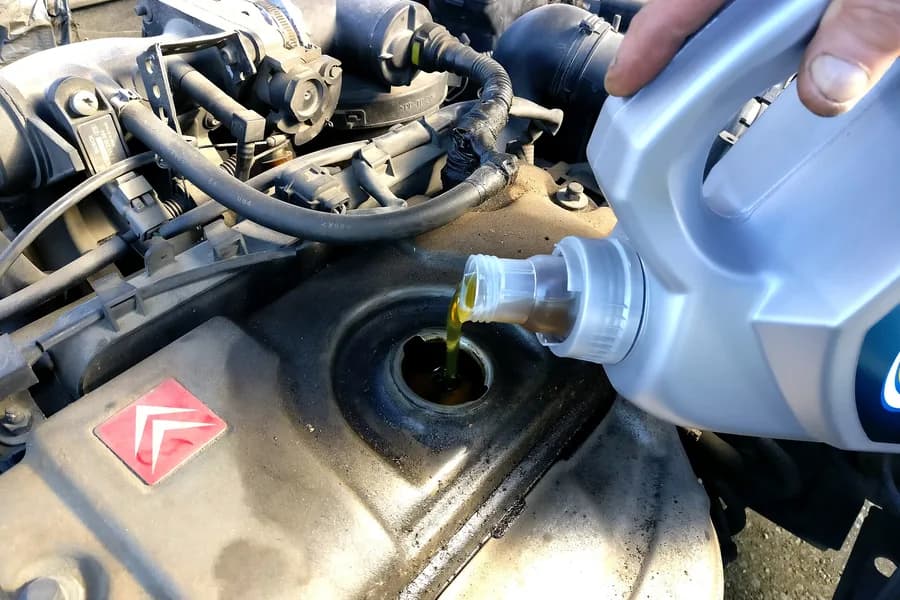
Oil & filter
Viscosity, capacity, filter part numbers, change interval
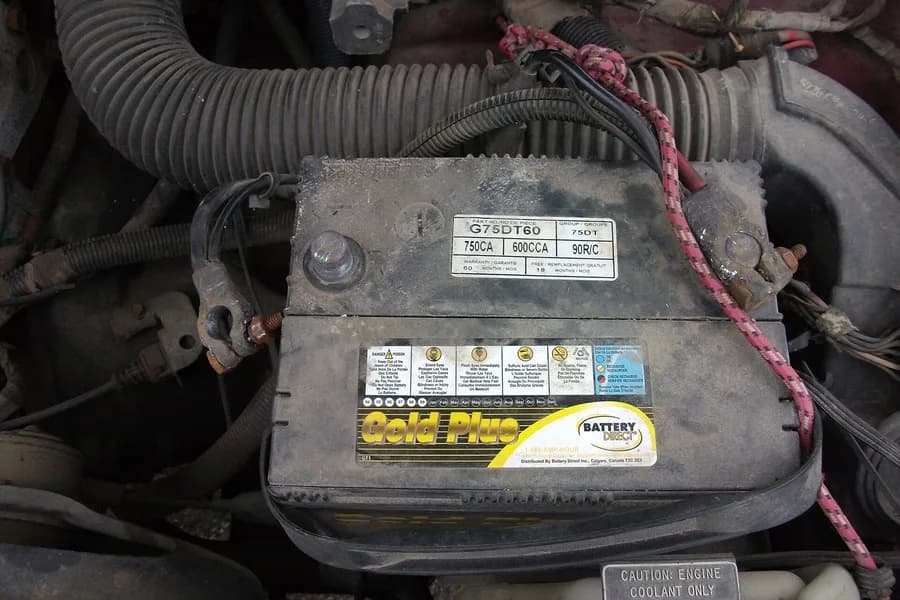
Battery
BCI group size, cold cranking amps, AGM or flooded
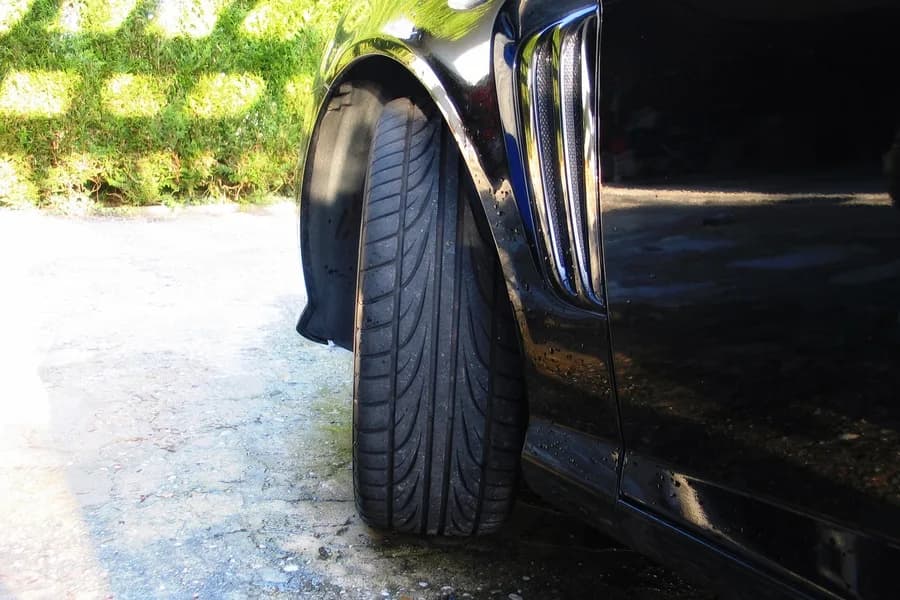
Tires & wheels
Factory sizes by trim, pressures, bolt pattern, lug torque
Wiper blades
Driver, passenger and rear blade lengths
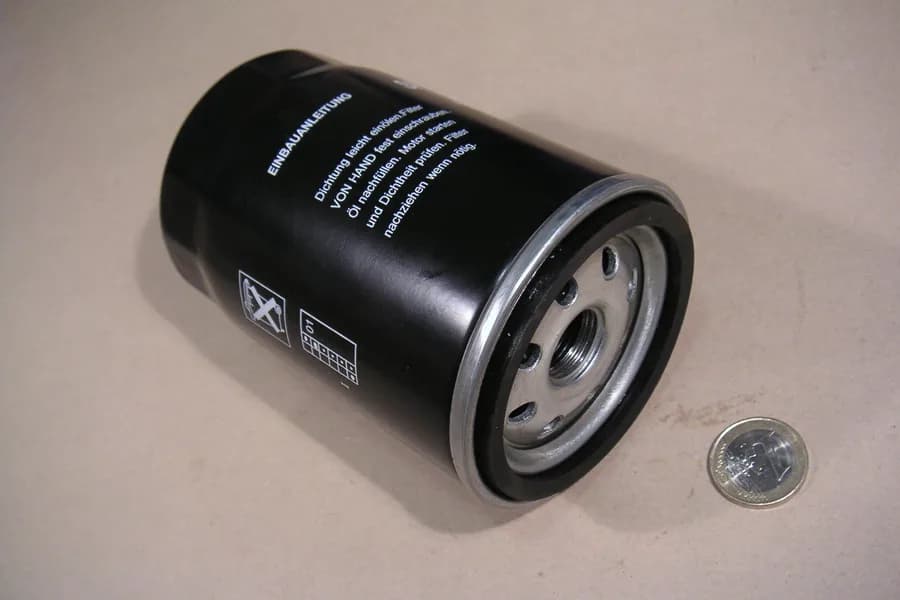
Air & cabin filters
Cabin and engine air filter part numbers, locations, intervals
Bulbs
Headlight, fog and marker bulb types
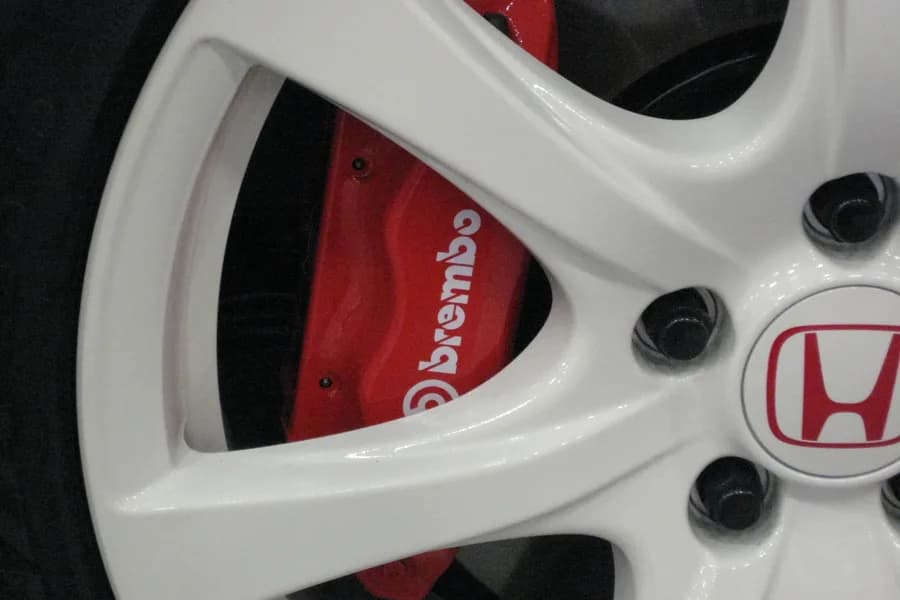
Brakes
Rotor diameters, pad references, service notes
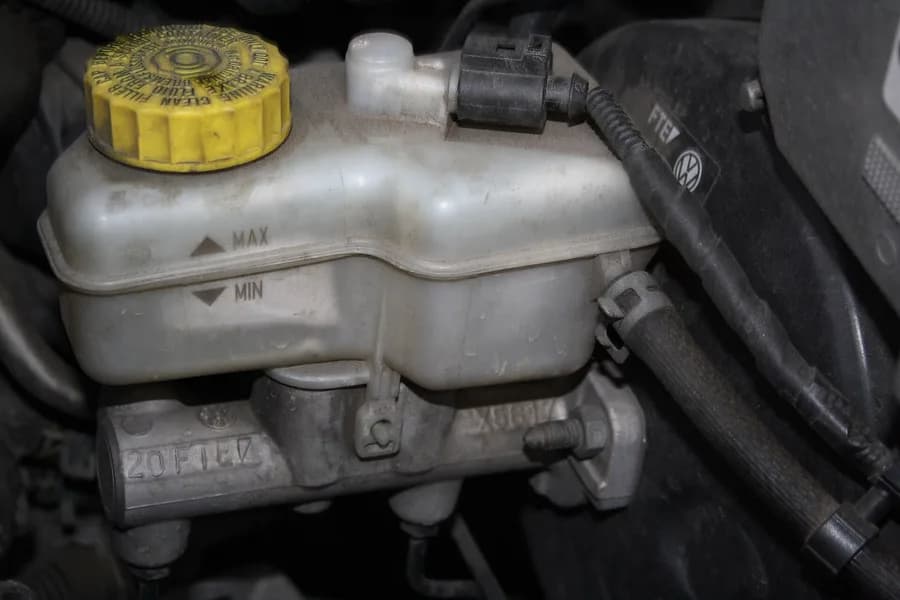
Fluids
Transmission fluid, coolant, brake fluid and capacities

Service schedule
What's actually due at every mileage interval
Problems & reliability
Documented failures, recalls, and which years to avoid
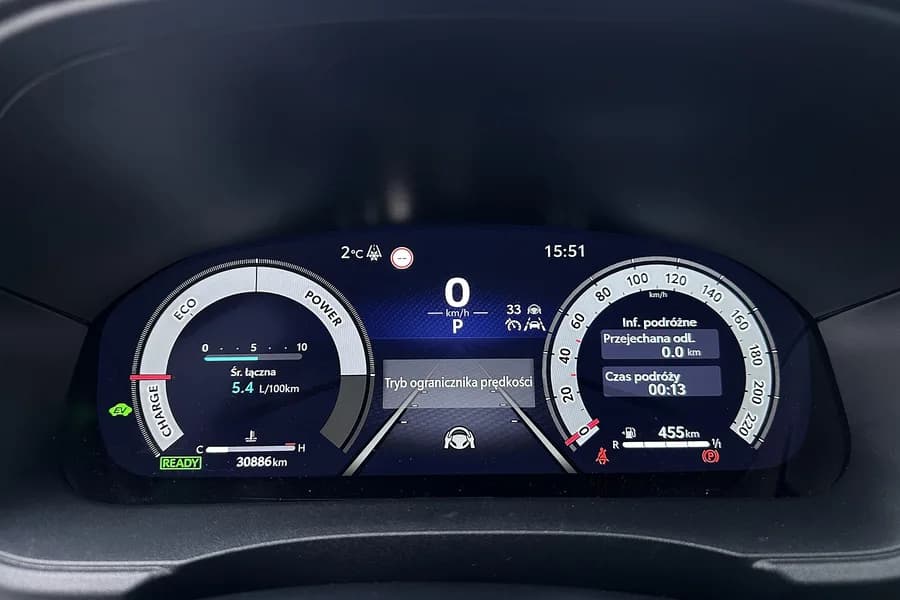
Oil light reset
Step-by-step maintenance light reset, no tools
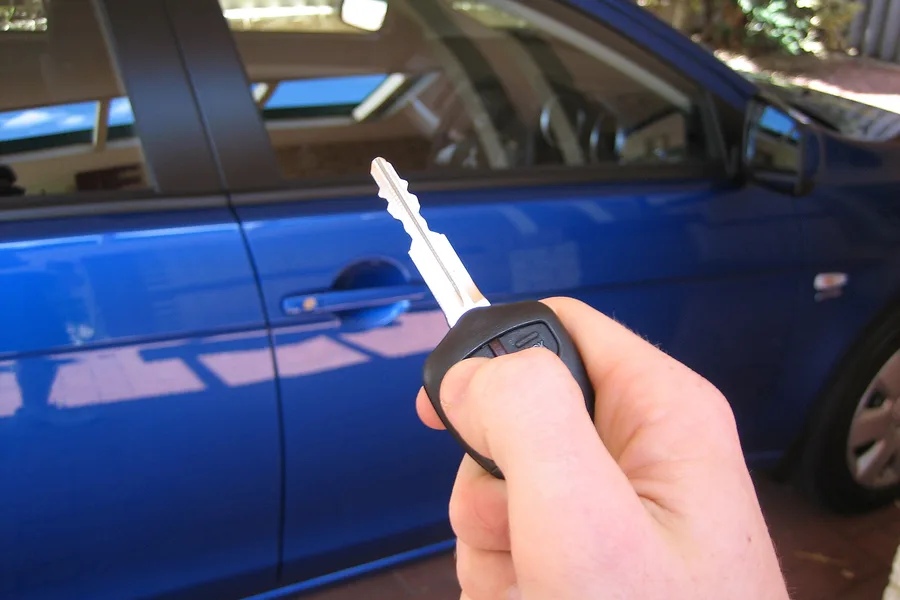
Key fob battery
Which coin cell the remote takes
Specs
Towing, weight, fuel tank, fuel economy
Which Subaru Outback generation do you have?
Specifications change at generation boundaries, not every model year. Two cars four years apart often take the identical oil, filter, and battery. These are the generations we hold data for.
About the Subaru Outback
The Subaru Outback is a jacked-up all-wheel-drive wagon that has outsold most traditional SUVs in its class for over a decade, and the 2010–2025 span covers three generations built on a shared formula: a flat ("boxer") engine, standard symmetrical AWD, and a CVT on nearly every trim. 6L EZ36 six (the six paired to a real 5-speed automatic, not a CVT) and is the generation most associated with early-CVT anxiety, a steering-column recall, and FB25 oil-consumption complaints that ended in a class-action settlement. 6R onto Subaru's High Torque CVT, and is remembered for CVT chain-slip complaints (Subaru quietly extended CVT coverage to 10 years/100,000 miles on many of these), touchscreen/infotainment flakiness, and a spontaneous-windshield-cracking lawsuit.
The BT (2019–2025 production, 2020–2025 model years) rides on the Subaru Global Platform, dropped the six-cylinder in favor of a direct-injected FB25D four and, starting with the 2022 Wilderness trim, an optional 260-hp turbocharged FA24F four, plus EyeSight driver assist standard across the range; it has its own recall history (a brake-pedal bolt recall right out of the gate, a passenger airbag-sensor recall, more windshield-cracking claims) and an ongoing parasitic-battery-drain lawsuit. Across all three generations maintenance is Subaru-typical: 6,000-mile/6-month full-synthetic oil changes (3,000/3 in severe service), a class-leading 11-year/137,500-mile first coolant interval, a Group 35 battery, and 89 ft-lb lug torque. The CVT is the component owners worry about most.
Factory fluid-change guidance is generous (many owners change it well before Subaru's official interval), and a failed unit is the single most expensive repair on any of these three generations.
Subaru Outback by model year
Year pages show only the engines and specs offered that year.
Sources
- Wikipedia, Subaru FB engine (FB25D direct-injection, 2020 Outback/Legacy)
- AMSOIL lookup, 2022 Outback 2.4L FA24 turbo oil spec/capacity
- NHTSA, 19V-664 brake pedal mounting bracket recall (WUL-97)
- NHTSA, 24V-227 front passenger airbag sensor recall
- Out Motorsports, 2022 Outback Wilderness review (260 hp FA24F introduction)
- classaction.org, Subaru lawsuit: 2019–2025 vehicles, parasitic battery drain (Taylor v. Subaru)
- AutoZone, 2023 Outback wiper blade fitment (26/18/16)
- Edmunds, 2023 Subaru Outback review (XT/Wilderness turbo trim lineup)