
KF (2nd generation) · 2017–2025 · Compact SUV
2022 Mazda CX-5 parts and specs
Everything you need to own and maintain this exact model year. Verified specifications, part numbers, and the problems that recur, in one place.
Last verified

Quick facts
Specifications for the 2017–2025 CX-5
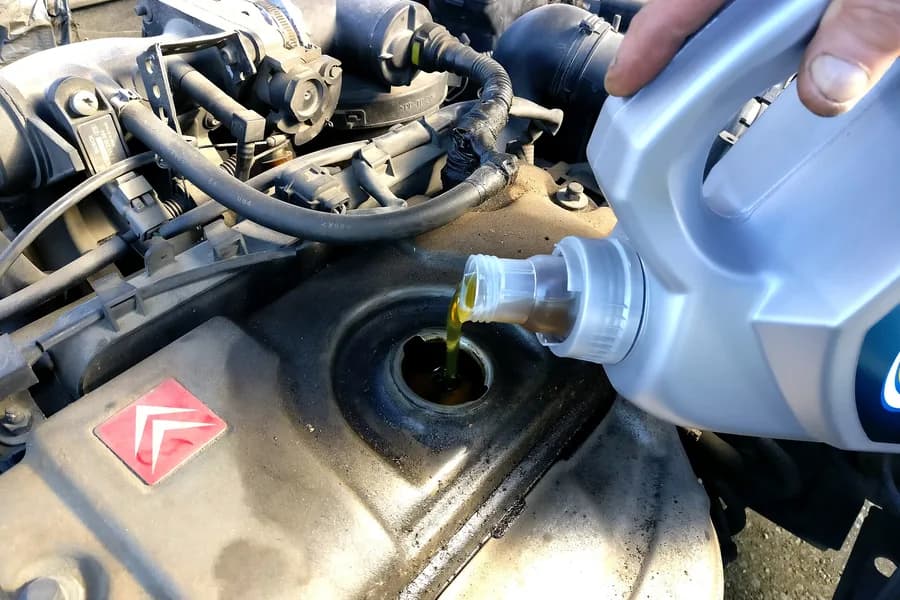
Oil & filter
Viscosity, capacity, filter part numbers, change interval
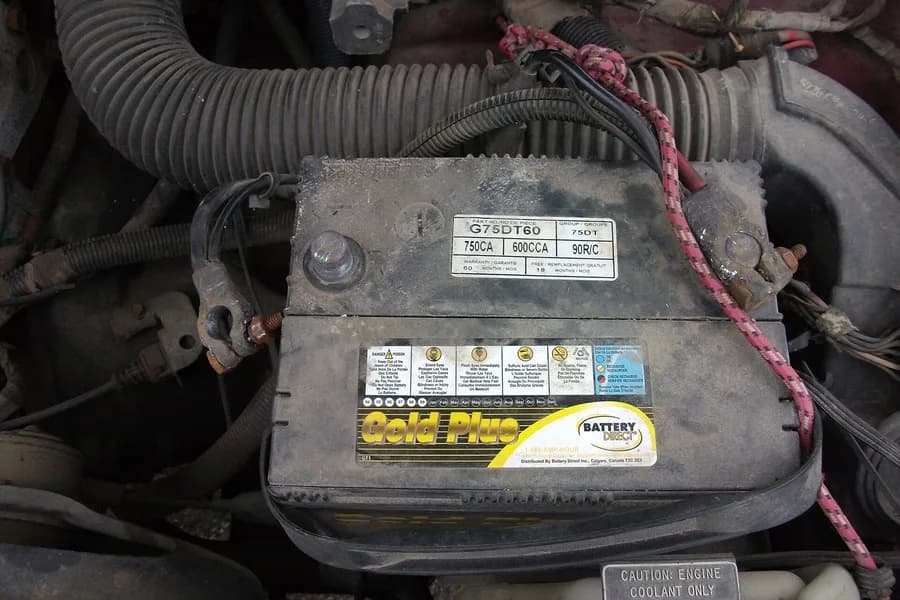
Battery
BCI group size, cold cranking amps, AGM or flooded
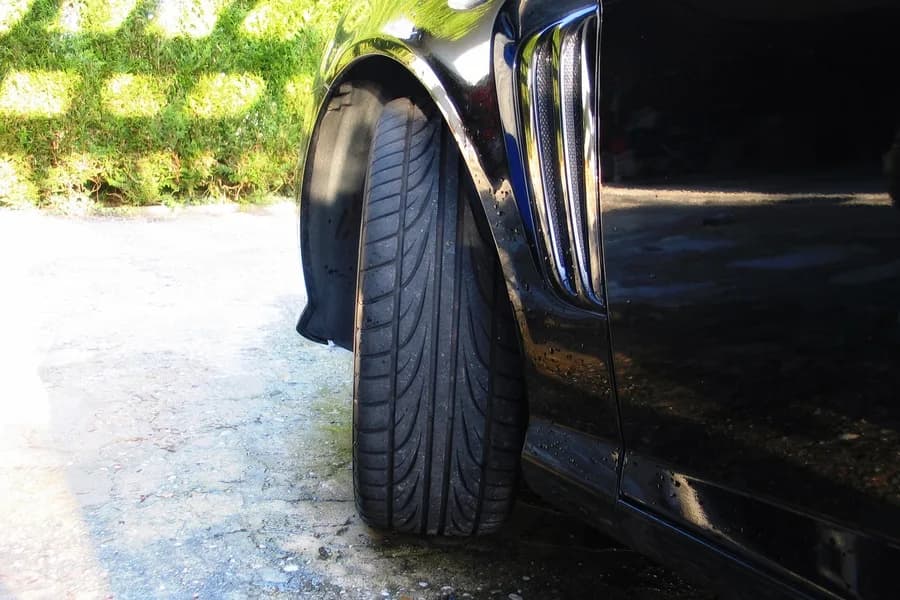
Tires & wheels
Factory sizes by trim, pressures, bolt pattern, lug torque
Wiper blades
Driver, passenger and rear blade lengths
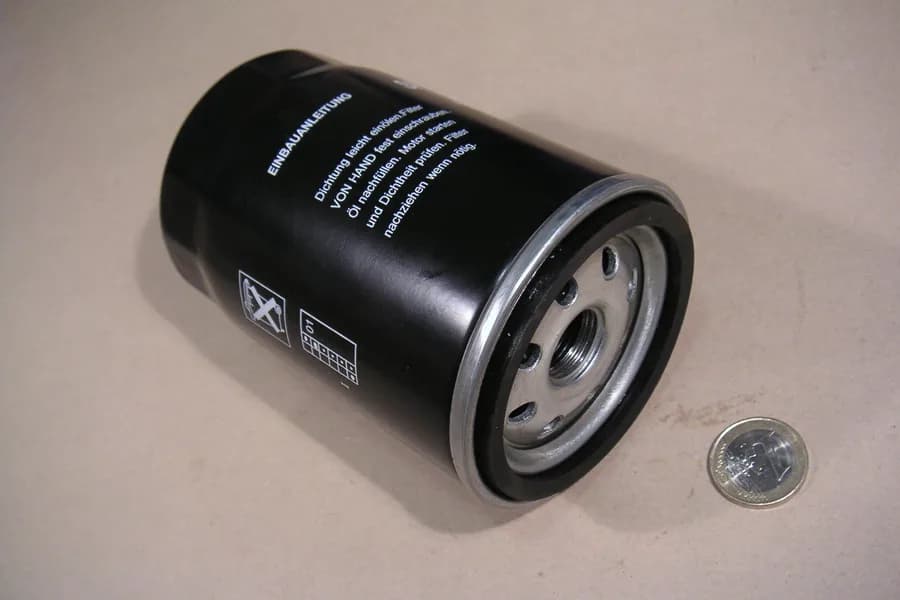
Air & cabin filters
Cabin and engine air filter part numbers, locations, intervals
Bulbs
Headlight, fog and marker bulb types
Brakes
Rotor diameters, pad references, service notes
Fluids
Transmission fluid, coolant, brake fluid and capacities

Service schedule
What's actually due at every mileage interval
Problems & reliability
Documented failures, recalls, and which years to avoid
Oil light reset
Step-by-step maintenance light reset, no tools
Key fob battery
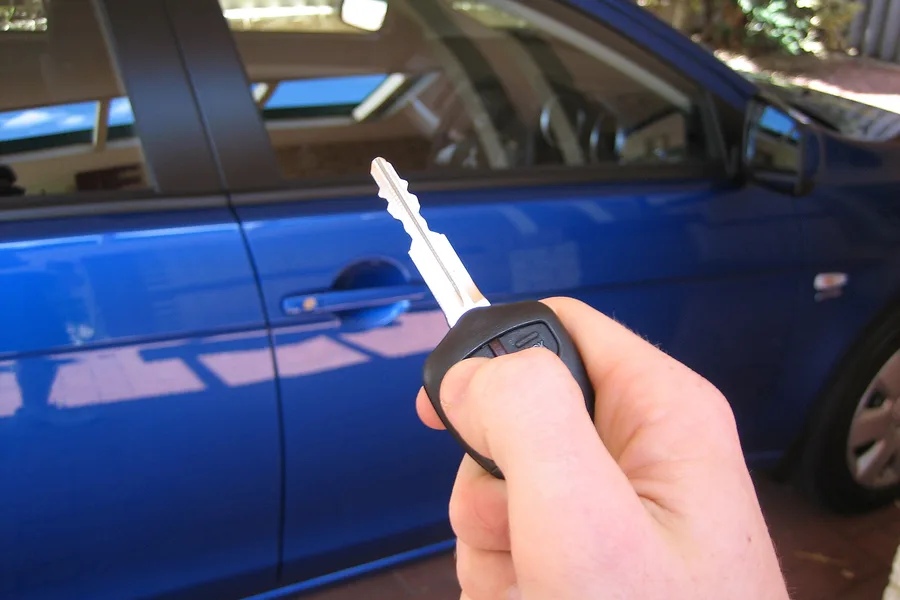
Which coin cell the remote takes
Specs
Towing, weight, fuel tank, fuel economy
These specifications are shared across every CX-5 of the KF (2nd generation) generation. See the 2017–2025 Mazda CX-5 overview for the full picture, or the Mazda CX-5 guide to compare every generation.
What changed for the 2022 Mazda CX-5
- 2022Mid-cycle refresh: revised front/rear styling, wheel designs, and more standard driver-assist tech; mechanical specs carry over
Known problems with the 2022 Mazda CX-5
1 of the 8 issues we track for the 2017–2025 generation is documented against the 2022 model year.
Cylinder deactivation vibration/shudder
minorMany 2.5L owners (non-turbo, with cylinder deactivation) report a noticeable vibration or shudder in the 30–45 mph range or under light throttle, felt when the engine transitions in and out of 2-cylinder mode. Owner and forum reports tie some cases to automatic transmission fluid contaminated with iron powder from torque-converter lock-up wear; Mazda has issued various software recalibrations over the years, but there is no single universal fix and the behavior is not considered a safety defect. Disabling cylinder deactivation is not officially supported.
Typical cost: $0 (ECM recalibration under warranty) to several hundred dollars for a transmission fluid/filter service if ATF contamination is suspected
7 more issues reported in other 2017–2025 years
- Side curtain air bags may not deploy properly (recall), 2018
- PCM software error can cause engine stall (recall), 2018–2019
- Low-pressure fuel pump impeller failure (recall), 2018–2019
- Rocker arm failure in cylinder-deactivation cylinders, 2018–2019
- Exhaust valve stem seal oil consumption, 2021 (isolated reports in adjacent years)
- Water pump weep / slow coolant loss, 2017–2021 (reported across the model range as mileage accumulates)
- Mazda Connect infotainment freezes and reboots (class-action settlement), 2017–2020
Full detail, costs and sources on the Mazda CX-5 problems and years to avoid guide.
Which engines were offered in the 2022 CX-5?
| Engine | Trims | Oil | Oil capacity |
|---|---|---|---|
| 2.5L SkyActiv-G (PY-VPS) | Sport, Touring, Grand Touring, Carbon Edition, 2.5 S/S Select/S Preferred (2024+ naming) | 0W-20 | 4.8 qt |
| 2.5L SkyActiv-G Turbo | Grand Touring Reserve (2019–2020), Signature, Turbo, Carbon Turbo, 2.5 Turbo/Turbo Premium Plus (2021+) | 5W-30 | 5.1 qt |
About the Mazda CX-5
The Mazda CX-5 is Mazda's best-selling model in the US and the compact SUV enthusiast reviewers point to when they say a crossover can actually be fun to drive. 5L four-cylinder, a conventional 6-speed automatic, and no turbo or CVT anywhere in the lineup, simple, low-maintenance mechanicals whose main documented weak spots are a corrosion-prone liftgate strut recall and a steering-knuckle bolt recall. 2L SkyActiv-D diesel for 2019–2020 that Mazda quietly dropped after low demand.
5L engines, a widely reported cylinder-deactivation shudder/vibration that Mazda never fully resolved with a clean fix, exhaust valve-stem-seal oil consumption on some 2021 engines, and a class-action settlement covering Mazda Connect infotainment freezes/reboots on 2016–2020 CX-5s. All CX-5s from 2013 on use FL-22 long-life coolant, Mazda ATF-FZ automatic transmission fluid, a Group 35 battery, and a CR2032 key fob battery. Parts that are cheap and easy to find regardless of which generation you own.
For how the specifications changed across every generation, see the full Mazda CX-5 guide.
Other Mazda CX-5 years
Sources
- Mazda USA official 2019 CX-5 owner's manual, engine/electrical specifications (battery Ah, spark plug part numbers)
- Mazda USA official 2019 CX-5 owner's manual, coolant/lubricant classifications
- Mazda USA official 2025 CX-5 owner's manual, scheduled maintenance intervals
- NHTSA recall 18V-426, side curtain air bags
- NHTSA recall 19V-497, PCM software stall
- NHTSA recall 21V-875, low-pressure fuel pump
- NHTSA TSB library, Service Alert SA-041/18 rocker arm inspection (cylinder deactivation)
- Mazda Connect Infotainment Settlement, official settlement site (class definition: CX-5 2016–2020)
- ClassAction.org, 2021 Mazda valve stem seal oil consumption proposed class action
- CarCostCanada, 2019 CX-5 Signature Diesel road test (168 hp / 290 lb-ft)
- Wikipedia, Mazda CX-5 second generation engine history
- Mazda parts forum, PY8W-14-302 turbo oil filter and 5.1 qt fill confirmation