
9th generation (FB/FG) · 2012–2015 · Compact sedan and coupe
2013 Honda Civic parts and specs
Everything you need to own and maintain this exact model year. Verified specifications, part numbers, and the problems that recur, in one place.
Last verified
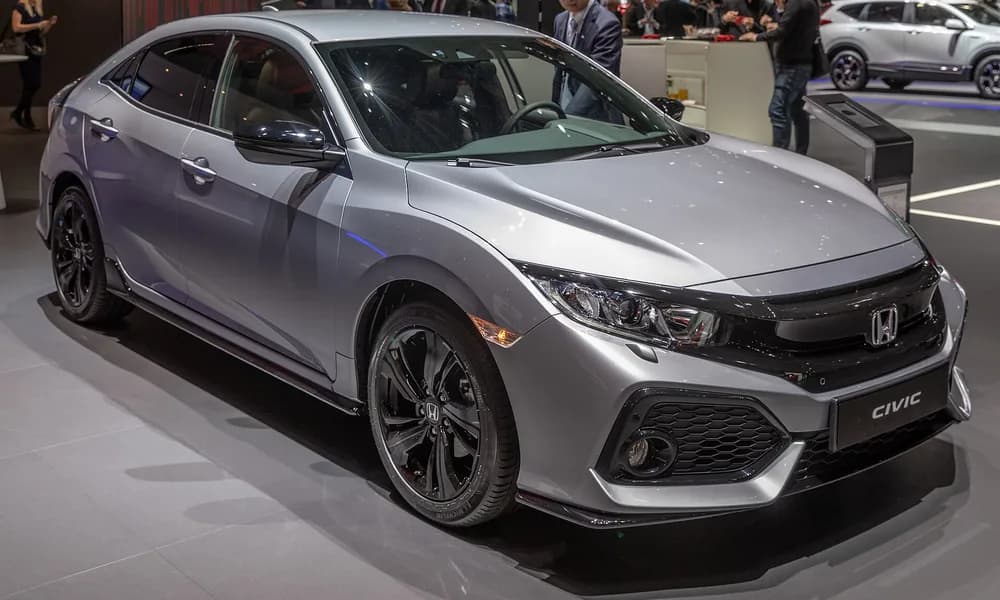
Quick facts
- Engine oil
- 0W-20, 3.9 qt (base engine)
- Battery
- Group 51R, 410 CCA
- Tire size
- 195/65R15 (base trim)
- Wiper blades
- 26" / 22"
- Cabin filter
- Honda 80292-SDA-A01 (shared with many Hondas)
- Key fob battery
- CR1616 (flip-style remote-head key); CR2032 (smart-entry fob on 2014–2015 push-button-start trims). Check the old battery before buying
Specifications for the 2012–2015 Civic
Oil & filter
Viscosity, capacity, filter part numbers, change interval
Battery
BCI group size, cold cranking amps, AGM or flooded
Tires & wheels
Factory sizes by trim, pressures, bolt pattern, lug torque
Wiper blades
Driver, passenger and rear blade lengths
Air & cabin filters
Cabin and engine air filter part numbers, locations, intervals
Bulbs
Headlight, fog and marker bulb types
Brakes
Rotor diameters, pad references, service notes
Fluids
Transmission fluid, coolant, brake fluid and capacities

Service schedule
What's actually due at every mileage interval
Problems & reliability
Documented failures, recalls, and which years to avoid
Oil light reset
Step-by-step maintenance light reset, no tools
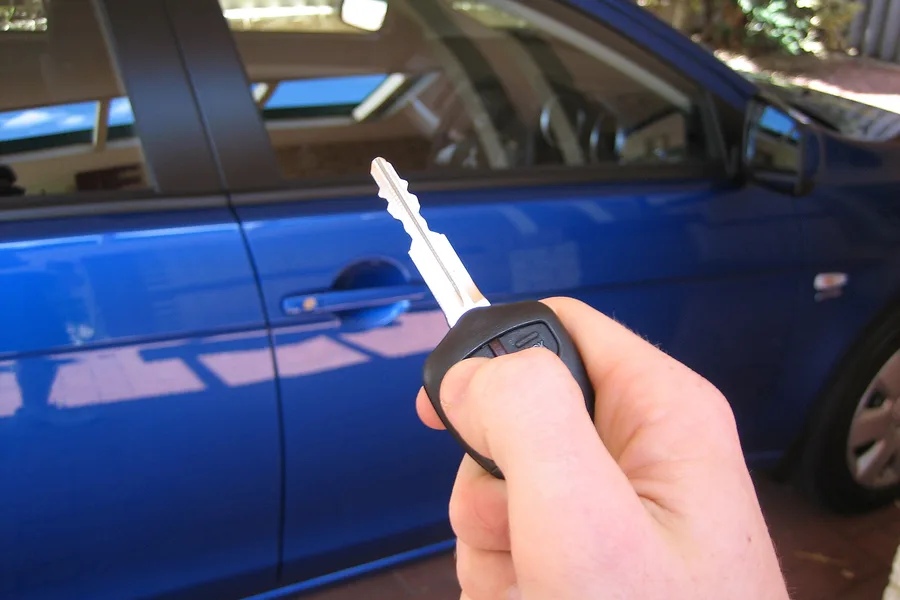
Key fob battery
Which coin cell the remote takes
Specs
Towing, weight, fuel tank, fuel economy
These specifications are shared across every Civic of the 9th generation (FB/FG) generation. See the 2012–2015 Honda Civic overview for the full picture, or the Honda Civic guide to compare every generation.
What changed for the 2013 Honda Civic
- 2013Emergency refresh after poor reviews: new fascias, upgraded interior, standard rearview camera
Known problems with the 2013 Honda Civic
4 of the 5 issues we track for the 2012–2015 generation are documented against the 2013 model year.
AC compressor clutch / relay failure (no cold air)
moderateThe most common 9th-gen complaint: the AC blows warm because the compressor clutch coil or its air gap fails, or the AC relay sticks. Symptoms come and go with heat. A relay is a $20 first check; a clutch/coil or complete compressor is the usual fix on higher-mileage cars.
Typical cost: $20 (relay) – $600–$1,100 (compressor assembly)
Harsh or clunky shifts from the 5-speed automatic
moderate2012–2013 cars with the 5AT can shift harshly (especially 2nd–3rd) or shudder at lock-up as the DW-1 fluid ages. A drain-and-fill with Honda DW-1 (repeat 2–3 times) resolves most cases; Honda issued software updates for shift quality. Persistent shudder can require torque converter work.
Typical cost: $80–$150 (fluid service); $1,500+ if torque converter replacement is needed
Front engine mount wear (vibration in gear)
minorThe hydraulic front/side engine mounts soften with age, causing vibration at idle in Drive and a clunk on throttle tip-in. Common from ~80k miles. Straightforward replacement; aftermarket mounts cost far less than OEM.
Typical cost: $150–$450 per mount installed
Master window switch and Bluetooth (HandsFreeLink) glitches
minorDriver's master window switches fail (window won't auto-up or works intermittently), and the HandsFreeLink module can drain the battery or drop phone pairings. Both are annoyances rather than safety issues; the HFL fix is often simply unplugging or replacing the module.
Typical cost: $50–$200 (switch); $0–$300 (HFL unplug/replace)
1 more issue reported in other 2012–2015 years
- CVT judder on early CVT cars (2014–2015), 2014–2015 (CVT only)
Full detail, costs and sources on the Honda Civic problems and years to avoid guide.
Which engines were offered in the 2013 Civic?
| Engine | Trims | Oil | Oil capacity |
|---|---|---|---|
| 1.8L 4-cylinder (R18Z1) | LX, HF, EX, EX-L (sedan & coupe); Touring (2014–2015) | 0W-20 | 3.9 qt |
| 2.4L 4-cylinder (K24Z7, Civic Si) | Si sedan & coupe (6-speed manual only) | 0W-20 | 4.2 qt |
About the Honda Civic
The Honda Civic is the best-selling compact car in America, and the 2012–2025 span covers three mechanically distinct generations that all take 0W-20 oil, a Group 51R battery, and the same ubiquitous 15400-PLM-A02 spin-on oil filter. 4L K24 Si. Cheap to run, with AC compressor clutches and front engine mounts as the main wear items.
5T L15B7 brought big fuel economy but also documented cold-climate oil dilution (2016–2018, warranty-extended) and a leak-prone AC condenser that Honda covers for 10 years under TSB 19-091; 2018–2020 cars are also caught in the giant Denso fuel-pump recalls (20V-314/23V-858). 5T, adds a 200-hp hybrid for 2025, and its one headline defect. 'sticky steering', was fixed by recall 24V-744 in late 2024.
Unlike fixed-interval brands, every modern Civic uses Honda's Maintenance Minder: the car computes oil life itself (typically 7,500–10,000 miles per change) and displays codes (A/B plus sub-codes) telling you exactly what's due, so owners constantly look up what the codes mean, which oil to buy (always 0W-20 for these years), and how to reset the wrench light.
For how the specifications changed across every generation, see the full Honda Civic guide.
Other Honda Civic years
Sources
- AMSOIL product application guide, 2012 Civic 1.8L R18Z1 (oil capacity/viscosity)
- AMSOIL product application guide, 2014 Civic 2.4L K24Z7
- Honda parts, 17220-R1A-A01 engine air filter, 2012–2015 Civic
- Honda parts, 12290-R1A-A01 / 12290-R1Z-A01 spark plugs
- TirePressure.org, 2013 Honda Civic placard pressures by trim
- fueleconomy.gov, 2013 Honda Civic EPA ratings
- Honda News, 2013 Civic Sedan specifications (fuel tank, curb weight)
- AutoZone, 2013 Civic headlight bulb fitment (9006 low / 9005 high)
- 9thGenCivic forum, ATF DW-1 drain & fill volume; Si spark plug spec